
12 Of The Least Reliable EVs For 2026 According To Consumer Reports
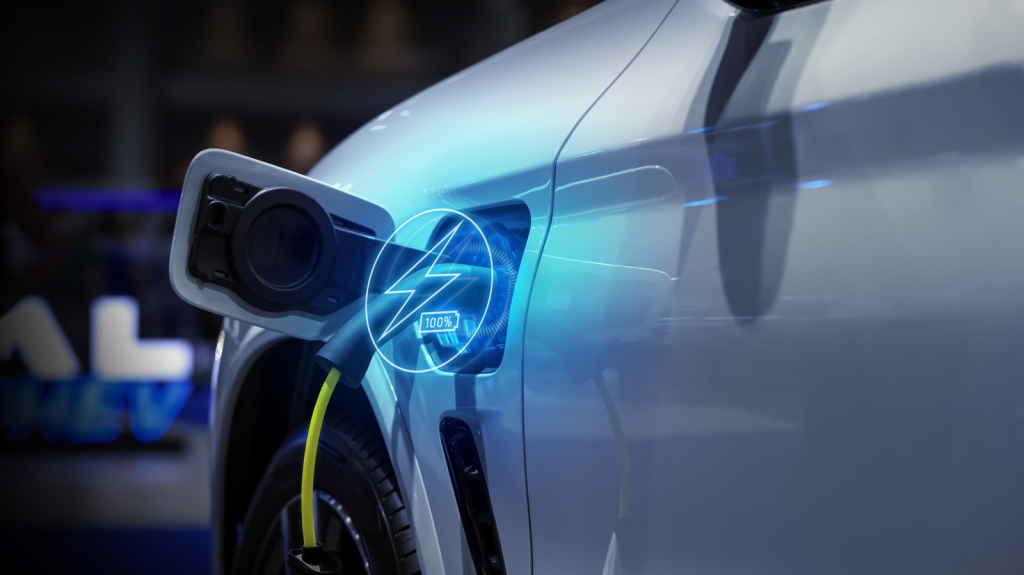
The 12 Least Reliable EVs for 2026 According to Consumer Reports
Electric vehicles have rapidly evolved from niche alternatives to serious contenders in the automotive market, offering cleaner transportation, quieter operation, and lower running costs compared to traditional gasoline-powered cars. As gas vehicles gradually phase out, EVs are positioned to capture a significant market share. However, not all electric vehicles deliver the same level of dependability, and reliability remains a critical factor for consumers considering the switch to electric.
Consumer Reports evaluates vehicles based on multiple criteria, including predicted reliability scores derived from extensive member surveys. For the 2026 model year, several EVs have emerged with notably poor reliability track records, often correlating with lower overall scores. These issues range from battery malfunctions and software glitches to hardware failures and build quality concerns.
1. Lucid Air
The Lucid Air represents the pinnacle of luxury electric sedans, boasting an impressive range of up to 431 miles and blistering acceleration—the Sapphire model rockets from 0 to 60 mph in just 2.1 seconds. However, beneath its sleek exterior lies a vehicle plagued by reliability concerns. Hardware faults and software issues are recurrent problems, with coolant leaks affecting models through 2025. The vehicle’s diagnostic system does report these issues to the manufacturer, but the frequency of problems remains concerning.
Software defects are particularly problematic, including the infamous key fob issues that have also affected the Lucid Gravity. Owners report doors failing to unlock, unresponsive media controls, and various system glitches. These reliability issues are reflected in Consumer Reports’ extremely low predicted reliability score for the 2026 Air, which carries a substantial price tag ranging from $72,400 to $250,500.
2. Rivian R1S
Rivian, as a relatively new EV manufacturer, has encountered significant growing pains with its R1S electric SUV. Despite promising specifications on paper, the vehicle suffers from numerous technical issues and hardware faults that have made it one of the least reliable vehicles on the market. The 2025 model, in particular, exhibited multiple problems that show no clear signs of resolution in the 2026 version.
Climate system problems are surprisingly common in this premium EV, while software issues include the vehicle failing to detect the owner’s presence for extended periods, keeping doors locked unnecessarily. The front electric motor is prone to sudden failure, and the vehicle’s fit and finish are questionable, with reports of cabin leaks after rainfall. Suspension quality has also drawn criticism, with drivers experiencing a bumpier ride than expected. Dashboard rattling during operation further suggests build quality concerns. With a starting price of $78,885, these reliability issues make the R1S a questionable investment.
3. Audi Q4 e-tron
The Audi Q4 e-tron offers an attractive starting price of $50,600, beautiful design, and satisfying handling, but its reliability record tells a different story. The 2024 and 2025 models were recalled due to battery issues that impeded charging and often resulted in loss of drive power. These problems have contributed to the vehicle’s low predicted reliability score on Consumer Reports.
Additional concerns include tires wearing down prematurely due to the vehicle’s weight and high torque, which can compromise safety and increase maintenance costs. The Multi Media Interface (MMI) system has also been problematic, requiring frequent over-the-air updates to address various glitches. While the driving experience may initially impress, the frequency of required updates and the history of battery-related issues suggest ongoing reliability challenges.
4. Hyundai Ioniq 9
The Hyundai Ioniq 9, like many Hyundai EVs, suffers from Integrated Charging Control Unit (ICCU) issues that can lead to total battery drain. This serious problem is reflected in the vehicle’s low predicted reliability score on Consumer Reports. The ICCU is designed to manage the vehicle’s low-voltage charging systems, but malfunctions can cause the vehicle to shut down unexpectedly—a particularly concerning issue for any vehicle, especially an EV that requires charging infrastructure.
Beyond battery concerns, the Ioniq 9 has faced criticism for underwhelming steering and braking modules that significantly impact the driving experience. The infotainment system has also been problematic, with users reporting finicky user profiles and an unintuitive, complex interface that can create distractions while driving. Despite being otherwise well-received for its features and performance, the persistence of ICCU problems makes the Ioniq 9 an unreliable choice.
5. Kia EV6
The Kia EV6 impresses with its performance credentials, accelerating from 0 to 60 mph in just 4.5 seconds and charging from 0% to 80% in a mere 20 minutes. Starting at approximately $45,000, it also offers relative affordability. However, these strengths are undermined by significant reliability issues, particularly related to the Integrated Charging Control Unit.
ICCU problems affect both the main battery and the 12V battery, with replacements for the latter potentially taking extended periods. This issue seriously impacts the EV6’s predicted reliability score on Consumer Reports. Additional concerns include user dissatisfaction with combined climate and media controls, which can create safety hazards when drivers become distracted by infotainment settings. The 2025 model also experienced subwoofer power loss due to wiring issues. Despite being considered one of the most underrated electric vehicles on the market, these reliability concerns need urgent resolution.
6. Honda Prologue
The Honda Prologue, co-developed by GM and Honda, exemplifies the reliability challenges that can arise from such partnerships. As a first-generation EV, software glitches are expected, but the Prologue faces more severe mechanical faults that make it one of the least reliable EVs available. The vehicle’s axles begin clicking after extended use, and the 2024 model is prone to displaying high-voltage warnings without clear cause—a particularly concerning issue during long drives that can lead to battery failure.
The braking system has also been reported to trigger randomly, creating significant safety concerns, especially on highways. In other instances, the vehicle refuses to charge for no discernible reason. These numerous issues have resulted in a poor predicted reliability score on Consumer Reports, and owners should expect frequent service center visits if they choose this vehicle despite its drawbacks.
7. Hyundai Ioniq 5
The Hyundai Ioniq 5 should theoretically be one of the best electric SUVs on the market, and many consider it exactly that. It offers a comfortable cabin, smart interior design, impressive dual-motor acceleration from 0 to 62 mph in 5.3 seconds, and lightning-fast charging speeds—achieving 10% to 80% charge in just 18 minutes with a 350 kW DC charger. However, the vehicle suffers from serious ICCU issues that cause frequent breakdowns.
Battery problems are the primary factor tanking the Ioniq 5’s predicted reliability score on Consumer Reports. While the vehicle offers numerous appealing features and conveniences, its tendency to break down undermines the ownership experience. Potential buyers considering the 2026 model should thoroughly research ICCU issues and their potential resolution before making a purchase decision.
8. Audi Q6 e-tron
The Audi Q6 e-tron is well-engineered in many respects, offering an impressive range of 330 miles and superb acceleration with a 0-to-60 time of just 4.4 seconds. However, its many strengths are overshadowed by significant reliability issues. The MMI system has proven particularly problematic for customers, even in the 2025 model.
Users report basic Apple CarPlay functions failing to work and the Audi app becoming unresponsive without apparent cause. The lane assist and adaptive cruise control features, while convenient, have experienced glitches where they disappear from the heads-up display. Charging issues have also been reported, adding to the list of concerns. These problems have significantly impacted the vehicle’s predicted reliability score on Consumer Reports, and the 2025 model received a disappointing quality and reliability score of 56 from J.D. Power.
9. Kia EV9
The Kia EV9 suffers from the same ICCU issues that plague other Kia EVs, making it a risky purchase despite its spacious interior and smooth ride quality. The vehicle’s spotty reliability record is evident in its exceptionally low predicted reliability score on Consumer Reports, and a quality and reliability score of 67 from J.D. Power provides little confidence.
One particularly concerning issue is the lengthy wait time for 12V battery replacements, which can extend up to a year. Service delays are also common, with repairs sometimes held up due to parts being on order. The 2025 model exhibited poor build quality, with recalls issued for improperly welded motor shafts that could cause loss of drive power and missing seat mounting bolts in second and third rows, raising serious safety concerns. These issues prevent the EV9 from reaching its potential and continue Kia’s challenges in establishing itself in the EV market.
10. Genesis GV60
Genesis Motor, a relative newcomer to the automotive industry, aims to deliver luxury through the GV60, but reliability issues undermine this objective. The vehicle’s infotainment system problems are widespread, with numerous glitches making it difficult to connect phones and operate the touchscreen interface. The Advanced Driver-Assistance Systems (ADAS) have also been problematic, with blind spot and forward collision warnings triggering incorrectly.
The latter issue is particularly dangerous, as false forward collision warnings can unexpectedly activate the vehicle’s brakes, potentially causing accidents. Like Hyundai and Kia, Genesis faces recurring ICCU issues, with 2023 and 2024 GV60 models included in recalls related to ICCU software errors. Despite offering a comfortable cabin and satisfying acceleration, these reliability issues have earned the GV60 one of the worst predicted reliability scores among 2026 EVs on Consumer Reports.
11. Chevrolet Blazer EV
The Chevrolet Blazer EV, another GM product, suffers from numerous software problems that make it one of the least reliable EVs on the market. Electronic issues were abundant in earlier models, and expectations remain low for the 2026 version’s interface reliability. One user reported their 2024 Blazer’s battery malfunctioning three separate times following high-voltage system errors.
Climate control systems have also drawn criticism for their subpar performance. While the motorized charging door is a nice touch, several users reported it stopped working completely. Although most software issues can be addressed through over-the-air updates, the Blazer EV’s overall reliability remains questionable. It received the second-worst predicted reliability rating among 2026 EVs on Consumer Reports, and consumers would be better served avoiding this EV to prevent becoming another dissatisfied Chevy customer.
12. Rivian R1T
The Rivian R1T faces even more reliability challenges than its SUV sibling, the R1S. Previous models have exhibited dubious build quality, with Rivian forced to recall several R1Ts due to headlight issues and defective turn signals—both major safety hazards. The vehicle’s HVAC system has also been a point of concern in the 2025 model, with drivers reporting repeat replacements for the same parts following service checks.
Despite these significant reliability concerns, many users speak highly of Rivian’s customer service. The company’s responsiveness and willingness to address issues provide some reassurance, even if frequent service visits are necessary. Interestingly, the R1T achieves both the highest “Predicted Owner Satisfaction” rating and the lowest predicted reliability among 2026 EVs on Consumer Reports, creating a fascinating anomaly in the EV space. The vehicle’s driving enjoyment appears to outweigh its reliability shortcomings for many owners, though this represents a significant gamble for prospective buyers.
EV reliability concerns, electric vehicle problems, Consumer Reports reliability ratings, least reliable EVs 2026, EV battery issues, software glitches in electric cars, automotive reliability problems, electric SUV reliability, luxury EV reliability, EV charging problems, ICCU issues, electric vehicle recalls, EV ownership challenges, automotive quality concerns, EV maintenance costs
,

Leave a Reply
Want to join the discussion?Feel free to contribute!