
4 Of The Worst Jobs To Use An Impact Driver For
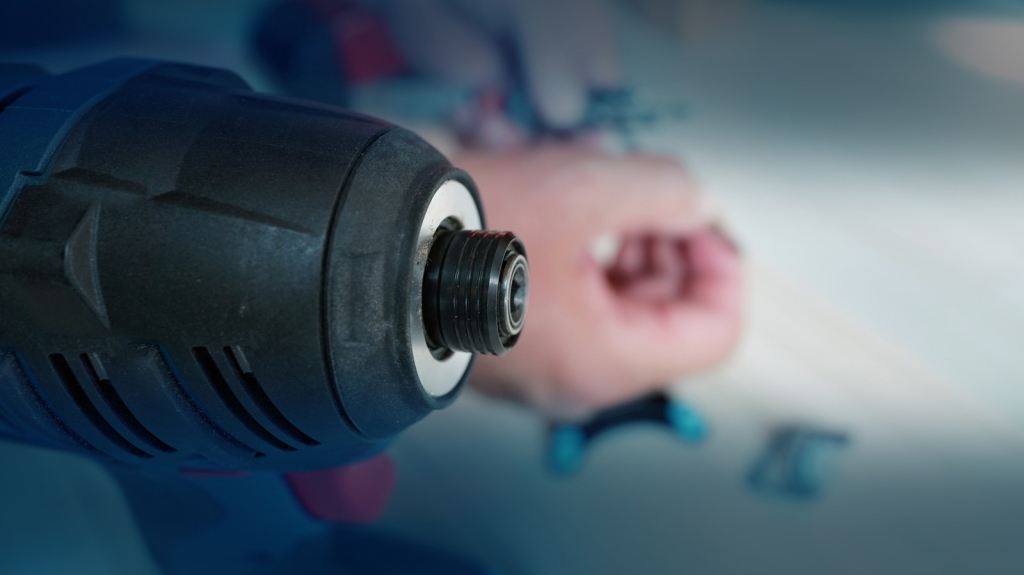
4 Jobs Where an Impact Driver Will Only Cause Trouble
The Tools That Need Precision, Not Power
As a tech and DIY enthusiast, I’ve seen countless debates about whether to use a drill or impact driver for various projects. The truth is, while both tools rotate bits, they serve fundamentally different purposes—and using the wrong one can lead to disaster.
Let me walk you through four specific scenarios where reaching for that powerful impact driver is actually the worst decision you could make.
1. When You’re Working Without Proper Impact Bits
Here’s something that might surprise you: not all bits are created equal. Impact drivers require specifically designed impact-rated bits that can withstand the tool’s unique hammering action combined with high torque.
Using standard bits in an impact driver is like putting regular tires on a race car—they simply weren’t built for that level of stress. Many DIYers have learned this the hard way when their bits literally shattered mid-use, creating dangerous flying debris.
The solution? Invest in a quality set of impact-rated bits before you start your project. While they might cost a bit more upfront, they’ll save you from broken bits, damaged materials, and potential injury.
2. When Your Materials Are Fragile or Delicate
This is where many DIY enthusiasts get into trouble. Impact drivers excel at driving long screws through tough materials, but that same power becomes a liability when working with delicate surfaces.
Imagine trying to install tiny screws in a delicate electronics project, working with soft pine that’s prone to splitting, or attempting to hang something on drywall. The impact driver’s hammering motion and high torque can easily strip screw heads, crack brittle materials, or even split wood apart.
For these tasks, you’re much better off with a precision screwdriver or a drill/driver with a clutch system that lets you control the torque. Sometimes, the old-fashioned manual approach is actually the smartest choice.
3. When You Need Exact Torque Specifications
This is a critical point that many people overlook. While some impact drivers offer multiple speed settings, they typically don’t provide the fine-grained torque control needed for precision work.
Consider this: even a high-end impact driver might only offer three torque settings, while a quality drill/driver could provide 24 different clutch positions. That’s a massive difference in control.
For tasks where exact torque matters—like assembling delicate furniture, working on electronics, or following specific manufacturer guidelines—you need that level of precision. In these cases, either use a drill/driver with a good clutch system or, for the most critical applications, a proper torque wrench.
4. When You’re Actually Trying to Drill Holes
Yes, you technically can use an impact driver for drilling, but should you? That’s a different question entirely.
While impact drivers can certainly rotate drill bits, they weren’t designed for this purpose. The hammering action that makes them great for driving screws can actually damage both your drill bits and your workpiece, especially when working with materials like glass, ceramic, or concrete.
If you find yourself needing to drill holes regularly, do yourself a favor and invest in a proper drill. Your bits will last longer, your holes will be cleaner, and you’ll have much more control over the entire process.
The Bottom Line
Impact drivers are fantastic tools when used correctly—they’re powerful, efficient, and can save you significant time and effort on the right projects. However, they’re not universal solutions.
The key to successful DIY work isn’t just having the right tools; it’s knowing when to use each one. Before you start your next project, take a moment to consider what you’re actually trying to accomplish. Sometimes, the less powerful tool is actually the better choice.
Remember: in the world of power tools, more power isn’t always better. Precision, control, and using the right tool for the job will always yield better results than brute force.
Tags: #DIY #PowerTools #ImpactDriver #HomeImprovement #ToolTips #Woodworking #Construction #Hardware #TechReview #DIYProjects
Viral Phrases:
- “More power isn’t always better”
- “The tool that’s too powerful for the job”
- “When your impact driver becomes a liability”
- “DIY disasters waiting to happen”
- “The hidden dangers of using the wrong tool”
- “Precision over power: the DIY mantra”
- “Why your impact driver might be overkill”
- “The impact driver mistake that costs you money”
- “Tool selection: the difference between success and failure”
- “How to avoid the most common DIY tool errors”
,


Leave a Reply
Want to join the discussion?Feel free to contribute!