
5 Car Repairs You Probably Shouldn’t Do On The Side Of The Road
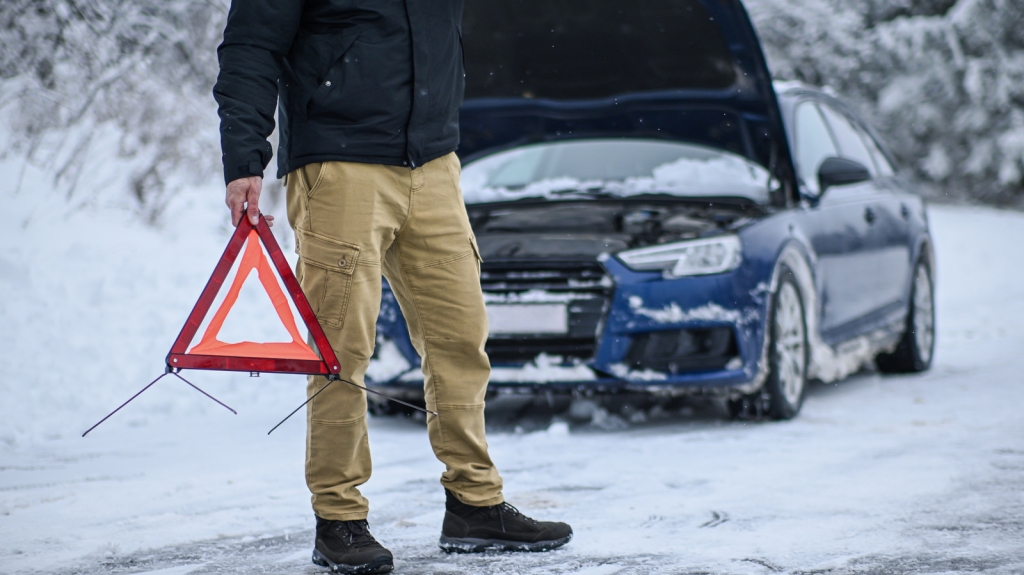
5 Car Repairs You Should Never Attempt on the Side of the Road
When your car breaks down, the instinct to fix it yourself is understandable. After all, we’ve all heard stories of resourceful drivers making roadside repairs with nothing but duct tape and determination. But some car problems demand professional attention, and attempting these repairs on the side of a busy highway could turn a bad situation into a catastrophic one.
The shoulder of a highway is one of the most dangerous places to work on a vehicle. You’re exposed to high-speed traffic, limited visibility, poor lighting, and environmental conditions that make proper repairs nearly impossible. Before you reach for your tools, consider whether that DIY fix is worth risking your safety or causing additional damage to your vehicle.
Patching a Blown Radiator
That stop-leak product in your trunk might seem like a quick solution, but attempting to patch a radiator on the roadside is playing with fire—literally. Your cooling system operates under extreme pressure and temperature, and opening a hot radiator can result in a violent eruption of scalding coolant and steam.
The conditions on the side of the road make any temporary fix even more problematic. You need a clean, dry surface for adhesives to work properly, but you’re dealing with wind-blown debris, dust, and limited visibility. Even if you manage to apply the patch, the underlying issue that caused the radiator failure remains unaddressed.
Brake Pad or Caliper Replacement
While changing brake pads is a common DIY task in a garage setting, attempting this repair on the roadside introduces numerous hazards. The brake system is your vehicle’s most critical safety component, and any mistake during repair could have deadly consequences.
A seized caliper requires bleeding the brake lines—a process that’s nearly impossible to perform correctly on a dusty shoulder with traffic roaring past. Air can easily enter the system, compromising your brakes’ effectiveness. Additionally, brake fluid is corrosive and difficult to clean up properly in roadside conditions.
Alternator Replacement
The alternator might look like a simple bolt-on component, but it’s the heart of your vehicle’s electrical system. Working on it roadside means dealing with high-current electrical connections in less-than-ideal conditions. A single mistake—like accidentally grounding a live wire—could damage your vehicle’s computer systems or cause a battery explosion.
Most alternators are buried deep within the engine bay, requiring the removal of multiple components just to access them. Dropping a critical bolt into roadside vegetation means you’re stranded until you find it, and the cramped, awkward positioning makes proper installation nearly impossible without proper lighting and tools.
Replacing a Serpentine Belt
That rubber belt snaking around your engine’s accessories might seem simple to replace, but it’s a job that requires precision and proper tools. The serpentine belt drives your alternator, power steering, air conditioning, and often your water pump—critical systems you don’t want to compromise.
When a serpentine belt fails, you typically lose power steering immediately, making it dangerous to work on the vehicle. The belt must be routed through multiple pulleys following a specific pattern, and without the original belt as a guide, you’re essentially guessing. The tensioner mechanism often requires specialized tools to release, and improper installation can cause immediate failure or damage to engine components.
Ignition Coil or Spark Plug Swaps
Misfiring engines can be frustrating, but popping the hood to swap coils or plugs on the roadside introduces serious risks. When you remove a spark plug, you’re exposing the cylinder head to whatever debris is blowing around—dust, gravel, and who knows what else from passing traffic.
Even small particles that fall into an open cylinder can cause catastrophic engine damage when the engine restarts. The threads in modern engines are precise, and cross-threading a plug on the side of a bumpy road is a real possibility. Additionally, diagnosing which component is actually faulty often requires swapping parts between cylinders—a process that multiplies your exposure to debris and increases the chance of errors.
Tags: roadside repairs, car maintenance, highway safety, DIY car repair, automotive emergencies, vehicle breakdown, dangerous repairs, car safety tips, emergency roadside assistance, automotive repair mistakes
Viral phrases: “Don’t become a statistic,” “Your life is worth more than a tow bill,” “Some repairs are garage-only jobs,” “The shoulder is no place for heroics,” “When in doubt, call for help,” “Safety first, savings second,” “Professional tools for professional problems,” “The most expensive repair is the one that goes wrong,” “Your car can be replaced, you can’t,” “Better safe than sorry on the highway”
,


Leave a Reply
Want to join the discussion?Feel free to contribute!