
5 Places You Should Never Keep a Bottle of Wine, According to Experts
Wine Storage Mistakes You’re Probably Making (And How to Fix Them)
If you think you’re doing everything right by keeping your wine in a cool, dark place, you might still be committing some serious wine crimes without realizing it. We spoke with two top sommeliers to uncover the most common storage mistakes that could be ruining your bottles before you even get a chance to pop the cork.
The Top of the Fridge: A Wine Killer in Disguise
That empty space above your refrigerator might seem like the perfect spot for a wine rack, but it’s actually one of the worst places you could choose. “Refrigerators give off heat and vibrate constantly, both of which accelerate aging and degrade quality,” warns Beki Miller, advanced sommelier at Caramá by Wolfgang Puck in Las Vegas.
The heat from your fridge can decimate wine in just a few days, cooking the delicate flavors and aromas that make each bottle special. Instead, Miller suggests a simple solution: “My go-to is boxes of wine on the floor of an interior closet, with bottles stored on their sides. This keeps the cork from drying out and protects the wine from light and vibration.”
Your Kitchen Is a Wine Storage Nightmare
While the kitchen might seem convenient for storing your collection, it’s actually one of the worst rooms in your house for wine storage. “There are a lot of elements and appliances that can put out heat outside of the stove,” explains Liz Martinez, general manager and sommelier at Centrolina in Washington, DC. “In fact, placing wine near any appliance [other than in a wine fridge] is not a good idea.”
Miller agrees, noting that “kitchen cabinets may seem like a good solution because they’re dark, but kitchens experience frequent temperature swings.” Ovens and dishwashers create heat spikes that are especially damaging over time, and those fluctuations are often worse for wine than being slightly too warm or too cool.
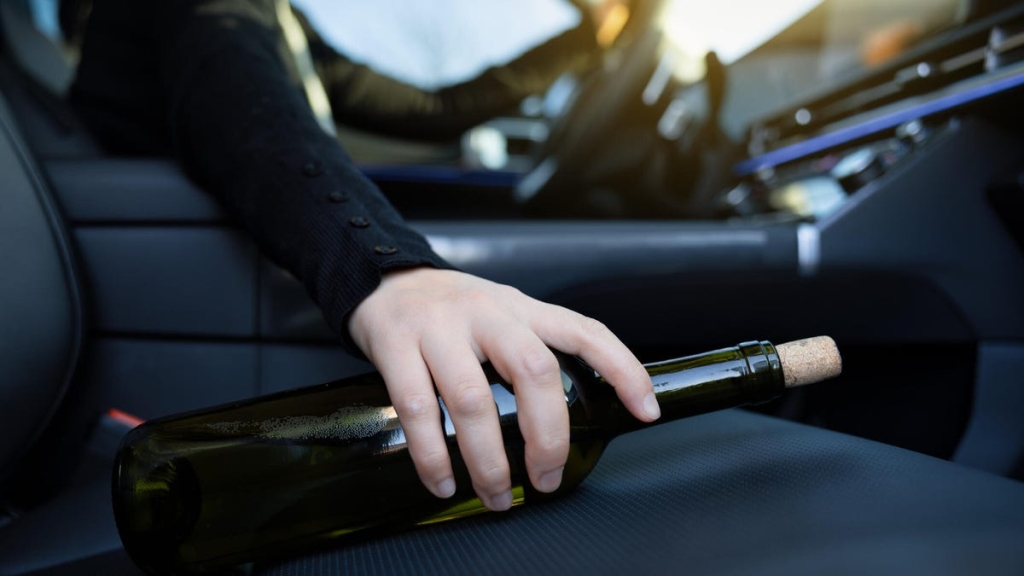
The Car: Wine’s Worst Enemy During Transport
One of the biggest threats to wine quality happens during the trip from store to home. “Wine is especially vulnerable during transport, particularly in warm weather,” stresses Miller. “Leaving bottles in a car trunk while running errands, even for an hour or two, can expose them to temperatures well above what wine can tolerate.”
On warm days, a parked car can easily exceed 100 degrees Fahrenheit, which effectively “cooks” the wine before it’s even opened. “Whenever possible, wine should be the last stop on your errand list, and bottles should be brought inside promptly,” Miller suggests. “In hotter climates, an insulated bag can help limit exposure on the drive home.”
The “Aging” Myth: Not All Wines Get Better With Time
It’s a common misconception that most wines taste better with age. In reality, most wines should be opened and enjoyed right away. “Some wines are intended to be drunk when they are young and fresh. Not every wine is meant for aging,” says Martinez. “If you sit on a wine that is meant to be drunk right away, your wine will lose everything that is good about it.”
Understanding which wines benefit from aging versus which should be consumed young is crucial. “Wines like the more impressive Burgundies or Bordeaux, or even a Napa Cabernet, will need some age, versus an everyday wine that you pick up at the grocery store,” Martinez adds. “Understanding that distinction and doing a bit of homework will save you the heartache of losing out on a wine that could’ve been enjoyed at the correct time.”
You Don’t Need a Wine Fridge, But It Helps
While a dedicated wine refrigerator isn’t necessary, they can be had for a few hundred dollars and remove the guesswork from proper wine storage. “There are plenty of places around the home to store wine that will help with protecting it,” says Martinez. “Cool, dark places like a closet or maybe under the stairs [work]. The basement is also a good option, as long as it is not a humid area.”
Temperature Matters More Than You Think
While consistent temperature and climate may be difficult to control in a typical household, most bottles have a “sweet spot” for temperature. According to Miller, wine should be stored in darkness at between 50 and 59 degrees Fahrenheit, with minimal vibration and as little temperature fluctuation as possible.
Martinez offers more specific guidance: “You can go a bit cooler for white and sparkling, sticking to around 45 degrees Fahrenheit for whites and a touch cooler for sparkling.” When it comes to serving, she recommends around 40 degrees for sparkling and white, and around 60 degrees Fahrenheit for red. “Just under room temperature is great for red wine,” she says. “It really helps the wine character develop nicely in the glass if you pull it out of a wine fridge and let it naturally warm up a touch.”
The Bottom Line
Proper wine storage doesn’t require expensive equipment or a dedicated wine cellar. What it does require is awareness of the common mistakes that can ruin even the finest bottles. By avoiding these storage pitfalls and understanding the specific needs of different wine types, you can ensure that every bottle you open delivers the quality and enjoyment it was meant to provide.
Remember: wine values consistency above all else. Whether you’re storing a bottle for a week or a decade, providing a stable, cool, dark environment will go a long way toward preserving your wine’s quality and character.
viral tags: wine storage mistakes, wine crimes, sommelier tips, wine preservation, kitchen wine storage, fridge wine storage, wine aging myths, wine transport tips, wine temperature guide, proper wine storage, wine storage hacks, wine preservation mistakes, sommelier secrets, wine storage solutions, wine storage temperature, wine storage locations, wine storage guide, wine storage tips, wine storage mistakes to avoid, wine storage best practices
viral phrases: “wine crimes,” “pour decisions,” “cooks the wine,” “wine values consistency,” “heartache of losing out,” “wine’s worst enemy,” “wine killer in disguise,” “remove the guesswork,” “stable, cool, dark environment,” “delicate flavors and aromas,” “accelerate aging and degrade quality,” “wine is especially vulnerable,” “save you the heartache,” “wine storage nightmares,” “wine storage pitfalls”
,

Leave a Reply
Want to join the discussion?Feel free to contribute!