
5 Things You Should Know Before Installing Solar Panel Batteries In Your Home
5 Essential Things to Know Before Installing Solar Panel Batteries at Home
Introduction
The transition to solar energy for powering your home is more complex than simply “flipping a switch.” It requires careful preparation, strategic planning, and a dose of realism. Before fully committing to a greener lifestyle, there are several critical factors to consider—including whether your home can actually be sustained by solar power and the realistic reasons for making this commitment.
One surprising fact many homeowners discover is that installing renewable energy sources doesn’t automatically translate to significant savings on energy bills. The financial investment in solar technology remains substantial, with high upfront costs that may take many years to recoup through energy savings.
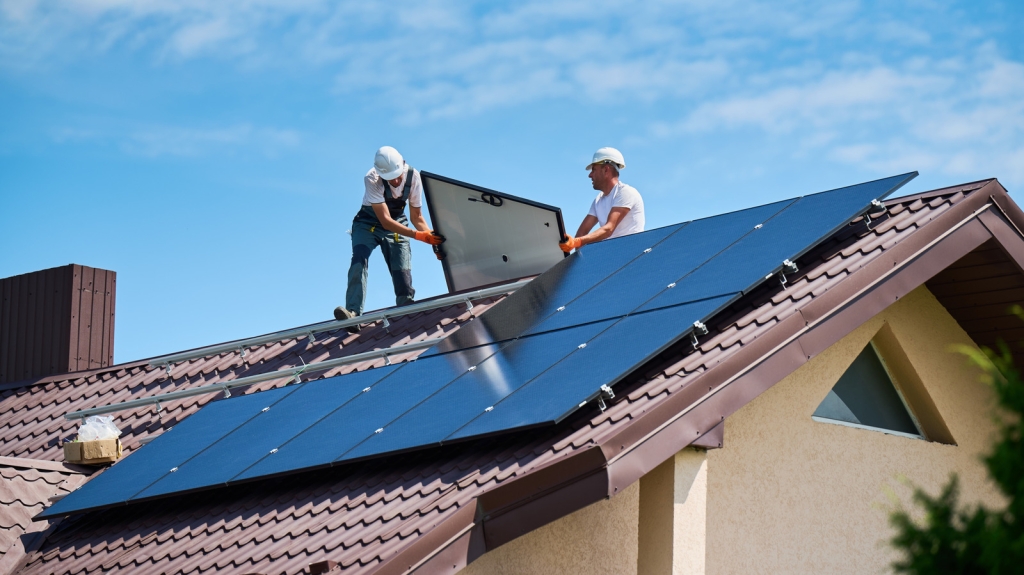
When planning your solar energy system, you have two primary options: install solar panels with solar batteries as a standalone system, or use both components together. In many cases, using both is necessary—especially if your goal is to eliminate reliance on grid electricity entirely.
Solar batteries play a crucial role by storing excess energy generated by your solar panel system. While technically possible to use solar batteries without solar panels, they’re typically installed in off-grid or hybrid systems. In hybrid configurations, batteries can be charged directly from the electrical grid, providing valuable backup power during outages. However, how you configure your solar battery system matters significantly—and here’s why.
1. Solar Technology Is a Long-Term Investment
Despite becoming more affordable in recent years, going solar still represents a significant financial commitment. Before diving in, you need to understand the potential costs involved and whether the investment makes sense for your specific situation.
Consider the cautionary tale of a homeowner in Ontario, Canada, who spent $50,000 on solar panels ($40,000 for installation and $10,000 in repairs) only to discover they wouldn’t save him money in any reasonable timeframe—he would need to wait over 40 years to break even. To make matters worse, his insurance didn’t cover the system.
This example highlights why forward-thinking is essential, even before installation begins. You should thoroughly reassess all financial aspects before committing fully. The investment affects not just your monthly budget but potentially your home’s resale value as well, since not all future buyers will want to deal with solar infrastructure.
When adding solar batteries to your setup (since panels don’t include batteries), you’ll face additional costs. If you don’t purchase batteries outright, monthly payment plans can make ownership more manageable, though you’ll still pay several thousand dollars extra. On the positive side, once installed, most solar systems require minimal maintenance, so you won’t face ongoing significant expenses beyond routine monitoring.
For your solar batteries specifically, you’ll want to perform state-of-charge readings periodically to ensure they’re maintaining their charging capacity over time.
2. Evaluate Your Home’s Energy Needs
Many homeowners invest in solar technology primarily to reduce their energy bills. Some attempt to maximize savings by pairing solar panels with batteries, hoping for the biggest return on investment. While this approach seems optional, in certain setups it becomes necessary—it all depends on your home’s energy consumption patterns.
The Homeowner’s Guide to Solar consistently addresses questions about financial viability and whether the investment is truly worthwhile. While the guide doesn’t provide definitive answers, it emphasizes that potential savings depend on multiple factors: your energy consumption patterns, the size of your solar energy system, whether you purchased or leased the equipment, and how much power the system can actually generate.
Larger households with higher energy demands typically require solar batteries to maintain adequate power supply. In some urban areas, solar costs can even compete with local electricity company rates. However, the guide also notes that solar technology pairs exceptionally well with energy efficiency upgrades.
Using Energy Star appliances and other energy-efficient products in your home reduces the amount of solar energy needed to power your household. Therefore, if your goal is reliable energy savings, you should also focus on making your home more energy-efficient by replacing energy-hungry appliances and electronics.
3. Assess Your Solar Battery Capacity and Power Rating
Installing solar batteries represents a significant expense, with prices varying based on quantity and size. According to NRG Clean Power, the average cost ranges from $9,000 to $18,000 before incentives. These costs fluctuate depending on battery type, size, and how many you need to install.
Your specific requirements depend on your household’s energy consumption and how heavily you rely on batteries for power. Some homeowners use solar batteries merely as backup power, making elaborate setups unnecessary unless the home is already quite large.
If you’ve already purchased solar batteries, understand that rated capacity doesn’t always reflect usable energy throughout the battery’s lifespan. The Depth of Discharge (DoD) indicates the percentage of energy used relative to total capacity. Essentially, a higher DoD means more electrical energy can be extracted from the battery in a single cycle.
Like all batteries, deeper discharge-charge cycles accelerate degradation. Ideally, you should maintain a consistent DoD level to avoid problems. Installing a solar battery monitor app can display the State of Charge (SoC), which is the inverse of DoD. For example, if your battery shows 75% SoC, your DoD is 25%.
4. Consider Solar Battery Storage and Environmental Factors
Proper storage of solar batteries is crucial for their longevity and performance. They should be kept in a well-ventilated location that’s cool and dry, away from areas with fluctuating temperatures. For reliable indoor storage, consider attached or detached garages and basements, which typically offer good insulation and containment options.
If you must store batteries outdoors, protect them from extreme weather conditions that could cause damage. When purchasing batteries for exterior use, review the enclosure rating. Batteries with an IP55 or higher rating can withstand moderate rain, snow, and wind exposure, though these ratings aren’t foolproof.
While higher-rated batteries provide moderate protection, they shouldn’t be submerged in water or exposed to poor conditions for extended periods. Environmental exposure causes degradation and deterioration, eventually necessitating replacement. Fortunately, if you have a complete solar panel battery system, your solar panels continue to function effectively even in winter conditions.
5. Remember: It’s Not Truly Green Energy Without a Renewable Source
Using solar batteries without solar panels essentially creates just another battery storage solution. Your batteries still need charging from some energy source, and that source isn’t necessarily renewable. Home electricity is typically generated by burning fossil fuels, a major source of greenhouse gas emissions—precisely why scientists and engineers have invested years in developing renewable and sustainable solutions like solar technology.
Charging solar batteries from the grid can take several hours, depending on battery size. Batteries must be discharged and then recharged once depleted. Some homeowners continue this practice because it helps save money—using stored solar energy during the day while charging batteries at night when electricity rates are lower. However, this approach still relies on grid electricity.
If you purchased solar batteries specifically to reduce your environmental impact, you’ll eventually want to transition to a more sustainable charging source to truly achieve your green energy goals.
Tags
solar energy, renewable energy, home solar installation, solar batteries, energy efficiency, green technology, sustainable living, solar panel costs, home energy management, off-grid power, hybrid energy systems, solar battery storage, environmental impact, energy savings, solar investment
Viral Sentences
- “Going solar isn’t just flipping a switch—it’s a lifestyle transformation that requires serious planning!”
- “That $50,000 solar investment might take 40 years to pay off—are you ready for that commitment?”
- “Solar batteries without solar panels? That’s just expensive battery storage, not green energy!”
- “Your dream of energy independence could turn into a nightmare if you don’t evaluate your home’s real energy needs first.”
- “Those ‘free solar panels’ ads? They’re hiding the real costs that could haunt you for decades.”
- “Winter won’t stop your solar panels, but poor battery storage choices will stop your energy independence cold.”
- “Energy Star appliances aren’t optional—they’re essential if you want your solar investment to actually save you money.”
- “The Depth of Discharge isn’t just technical jargon—it’s the difference between batteries that last 5 years versus 15 years.”
- “Grid-charging your ‘solar’ batteries at night when electricity is cheaper? Congratulations, you’re still dependent on fossil fuels!”
- “Your insurance probably doesn’t cover your $50K solar investment—did anyone mention that during the sales pitch?”
,


Leave a Reply
Want to join the discussion?Feel free to contribute!