
51,600 more satellites? Blue Origin adds another twist to the data center space race with Project Sunrise
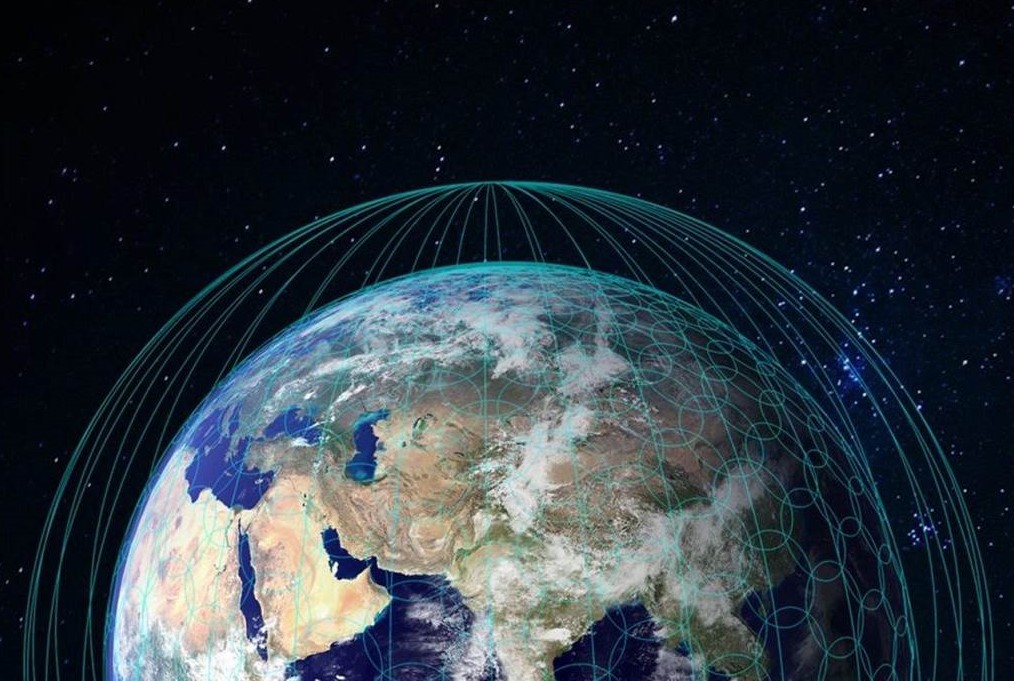
Jeff Bezos’ Blue Origin Aims for the Stars with 51,600-Satellite Data Center Constellation
In a bold move that could reshape the future of cloud computing and artificial intelligence infrastructure, Jeff Bezos’ space venture Blue Origin has filed a sweeping proposal with the Federal Communications Commission (FCC) to deploy a staggering 51,600 satellites into low Earth orbit as part of its ambitious “Project Sunrise.” This massive orbital network is designed to power the next generation of space-based data centers, marking a dramatic escalation in the race to move computing infrastructure beyond Earth’s atmosphere.
The announcement positions Blue Origin squarely in a high-stakes competition with Elon Musk’s SpaceX, which is already seeking FCC approval for a constellation that could ultimately include up to one million satellites. Meanwhile, Redmond-based Starcloud is also working on plans for a data center network that could require tens of thousands of satellites, creating a three-way battle among tech titans for dominance in what many see as the next frontier of computing.
The Data Center Space Race Heats Up
What’s driving this orbital gold rush? The answer lies in the rapidly growing demand for electrical power and access to water that’s constraining Earth-based AI data centers. Traditional facilities require enormous amounts of energy to power thousands of servers and even more to keep them cool—a challenge that becomes exponentially more difficult as AI models grow increasingly complex and power-hungry.
Last October, Bezos himself predicted that orbital data centers would be the “next step” in transitioning from Earth-based to space-based industry. Speaking at a tech conference in Italy, he boldly stated, “We will be able to beat the cost of terrestrial data centers in space in the next couple of decades.” This vision suggests that the economics of space-based computing could eventually surpass traditional facilities, despite the enormous upfront costs of launching and maintaining satellite constellations.
Project Sunrise: Blue Origin’s Master Plan
Project Sunrise isn’t just about launching satellites—it’s about creating a comprehensive orbital infrastructure. The proposed constellation would operate in circular, sun-synchronous orbits ranging from 500 to 1,800 kilometers (310 to 1,120 miles) in altitude. These satellites would be organized into three distinct groupings, each equipped with different types of antennas to handle various coverage requirements.
The network would primarily use laser links for data transmission, routing traffic through Blue Origin’s previously announced 5,408-satellite TeraWave constellation and other mesh networks to communicate with ground stations. This creates a multi-layered approach where TeraWave provides ultra-high-speed connectivity for Project Sunrise’s satellites, while also serving terrestrial data centers, large-scale enterprises, and government customers.
Regulatory Hurdles and Competitive Tensions
Blue Origin is seeking waivers from several regulatory requirements, including the standard processing round and a six-year deadline for deploying half of Project Sunrise’s satellites. The company argues these requirements should be waived because its satellites will be designed to minimize interference with other satellites—a crucial consideration as Earth’s orbital space becomes increasingly crowded.
The timing of Blue Origin’s application has already sparked controversy. SpaceX quickly filed an objection, arguing that the FCC should apply the same substantive and procedural arguments that Amazon used to oppose SpaceX’s orbital data center application. This creates a fascinating dynamic where Blue Origin, despite being a separate company from Amazon, finds itself on the opposite side of a regulatory battle from its founder’s other major venture.
The Broader Space Computing Ecosystem
Blue Origin, SpaceX, and Starcloud aren’t alone in this orbital data center race. Other major players include Google, which is working on Project Suncatcher—its plan to put AI data centers in space—Axiom Space, Aetherflux, and Sophia Space. Each company brings different technical approaches and business models to the challenge of building computing infrastructure that can survive the harsh conditions of space while delivering reliable performance.
Meanwhile, the competition to provide high-speed internet access via satellites in low Earth orbit continues to heat up. SpaceX currently dominates this market with more than 10,000 satellites in its Starlink constellation. Amazon, through its Project Kuiper (now Amazon Leo), is playing catch-up but recently received FCC approval to expand its constellation to more than 7,700 satellites.
Economic and Technical Implications
The orbital data center concept represents more than just a technological novelty—it could fundamentally reshape how we think about computing infrastructure. By moving data centers to space, companies could potentially access virtually unlimited solar power, eliminate cooling costs through exposure to the vacuum of space, and reduce latency for certain applications by processing data closer to where it’s collected.
However, significant challenges remain. These include the enormous cost of launching and maintaining satellite constellations, the technical complexity of building reliable space-based computing systems, and the regulatory hurdles involved in deploying thousands of satellites. There are also questions about how these space-based systems will integrate with existing terrestrial infrastructure and whether they’ll complement or compete with current cloud computing services.
Job Market Signals
Blue Origin’s ambitions are already creating ripples in the job market. The company has been actively recruiting satellite engineers and other specialists with relevant expertise, including a director of commercial sales for data center markets. This hiring push suggests that Blue Origin is moving quickly to build the technical and commercial teams needed to make Project Sunrise a reality.
The Future of Computing
As these competing visions for orbital computing infrastructure take shape, one thing is clear: the traditional model of Earth-bound data centers may be facing its most significant challenge yet. Whether Blue Origin’s Project Sunrise, SpaceX’s million-satellite vision, or another company’s approach ultimately prevails, the race to build data centers in space represents a fundamental shift in how we approach computing at scale.
The next few years will be crucial in determining whether orbital data centers can deliver on their promise of cheaper, more efficient computing power—or whether they’ll remain an expensive experiment in pushing the boundaries of where and how we process information. One thing is certain: the sky is no longer the limit for computing infrastructure, and the companies that figure out how to operate effectively in space may hold the keys to the next computing revolution.
Tags: Blue Origin, Project Sunrise, orbital data centers, space computing, Jeff Bezos, SpaceX, satellite constellation, TeraWave, Amazon Leo, Project Kuiper, Starcloud, FCC approval, space race, AI infrastructure, cloud computing, low Earth orbit, satellite engineering, orbital infrastructure, data center technology, space-based industry
Viral Phrases: “The sky is no longer the limit for computing infrastructure”, “Orbital data centers would be the ‘next step’ in transitioning from Earth-based to space-based industry”, “We will be able to beat the cost of terrestrial data centers in space”, “51,600 satellites into low Earth orbit”, “Data center space race heats up”, “Space-based computing could eventually surpass traditional facilities”, “Three-way battle among tech titans for dominance”, “Fundamentally reshape how we think about computing infrastructure”, “The next computing revolution”, “Earth’s orbital space becomes increasingly crowded”, “Pushing the boundaries of where and how we process information”
,

Leave a Reply
Want to join the discussion?Feel free to contribute!