
$69 in 2026 Gets You a Tool to Rejuvenate Old Computers
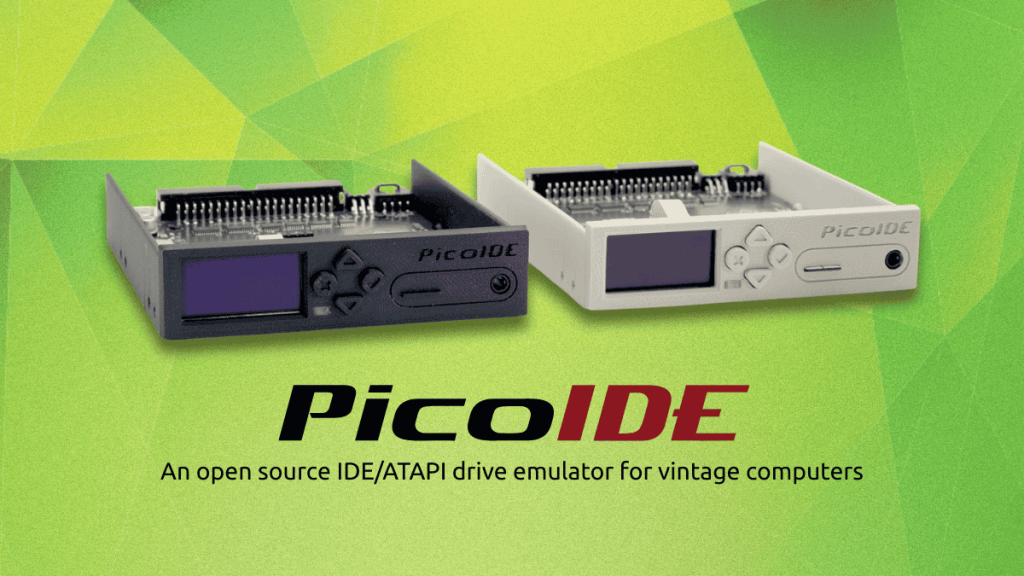
The PicoIDE: A Revolutionary Open Source IDE/ATAPI Emulator for Retro Computing Enthusiasts
In an era where digital preservation is becoming increasingly important, a groundbreaking project has emerged that promises to revolutionize how we interact with vintage computing hardware. The PicoIDE, developed by Polpotronics, is an open source IDE/ATAPI emulator designed to breathe new life into aging technology like CD-ROM drives and hard disks.
The Problem: Aging Physical Media Technology
For those who weren’t around in the 1990s and early 2000s, physical media was the primary way we stored and accessed data. CD-ROM drives, IDE hard disks, and ATAPI devices were the backbone of personal computing. However, as time marches on, these components are becoming increasingly scarce, unreliable, and expensive to maintain.
The PicoIDE addresses this challenge head-on by providing a modern solution that can replace these aging components while maintaining full compatibility with vintage hardware.
Technical Specifications: Power Meets Precision
At the heart of the PicoIDE lies the Raspberry Pi RP2350 microcontroller, a powerful yet efficient chip that provides the computational muscle needed to emulate complex IDE and ATAPI protocols. The device is designed to fit into a standard 3.5-inch drive bay, making it compatible with most vintage computer cases and drive enclosures.
The PicoIDE uses a standard 40-pin IDE connector and draws power through the conventional 4-pin Molex connector, ensuring seamless integration with existing hardware setups. This attention to compatibility means users don’t need to modify their vintage systems or invest in additional adapters.
Storage Solutions: Modern Meets Vintage
For storage, the PicoIDE reads disk images from microSD cards formatted in either FAT32 or exFAT file systems. This approach offers several advantages:
- Massive Storage Capacity: Modern microSD cards can store terabytes of data, allowing users to archive entire libraries of software, games, and media on a single card
- Easy Image Management: Users can organize, copy, and modify disk images using standard file management tools
- Cost-Effective: MicroSD cards are inexpensive and widely available
- Reliability: Unlike aging physical media, microSD cards don’t suffer from mechanical wear or degradation over time
Two Variants for Different Needs
The PicoIDE comes in two distinct variants, each designed to meet different user requirements:
Base Variant
The Base version handles image switching through a DOS utility or by physically swapping the microSD card. This straightforward approach is perfect for users who prefer a simple, no-frills solution or who plan to use the device in automated setups where image switching is handled programmatically.
Deluxe Variant
The Deluxe version adds several premium features that enhance the user experience:
- OLED Display: Provides visual feedback about the currently loaded image, system status, and other important information
- Physical Buttons: Allows users to browse and switch between images directly on the device without needing to access a computer
- WiFi Connectivity: Enables remote management through a web interface, allowing users to upload, download, and organize disk images from any device on their network
Performance and Compatibility
The PicoIDE supports multiple data transfer modes to ensure compatibility with a wide range of vintage hardware:
- PIO Modes 0-4: Programmed Input/Output modes for basic data transfer
- Multi-word DMA Modes 0-2: Direct Memory Access modes for faster data transfer
The device also features a sophisticated audio implementation using the TI PCM5100A DAC (Digital-to-Analog Converter). This high-quality audio component provides:
- High-Fidelity Audio Output: Crystal-clear sound reproduction for CD audio tracks
- Multiple Output Options: Both an MPC-2 header for internal connections and a 3.5mm line-out jack for external audio equipment
- Mixed-Mode Disc Support: The ability to handle discs that contain both data tracks and audio tracks, a feature that software emulators often struggle with
Real-World Applications
The PicoIDE opens up numerous possibilities for vintage computing enthusiasts:
Gaming Library Consolidation
Imagine having your entire collection of CD-based games stored on a single microSD card. The PicoIDE allows you to:
- Load dozens or even hundreds of games onto one card
- Organize your collection with custom folder structures
- Switch between games instantly using the front panel controls or web interface
- Preserve rare or expensive games by keeping the original media safely stored away
Software Development and Testing
For developers working on vintage systems or emulators:
- Quickly test software across multiple operating systems and configurations
- Create and modify disk images using modern tools like 86Box or WinUAE
- Share development environments easily with colleagues
- Maintain multiple versions of software for testing and compatibility purposes
Digital Preservation
The PicoIDE serves as an excellent tool for preserving digital history:
- Archive aging physical media before it degrades beyond readability
- Create perfect digital copies of rare or historically significant software
- Ensure that valuable digital assets remain accessible for future generations
- Protect against data loss due to physical media failure
Funding Success and Community Support
The PicoIDE project has generated significant excitement within the retro computing community. As of the latest update, the project has exceeded its initial funding goal of $35,000, raising an impressive $100,339 from backers who recognize the value of this innovative solution.
Pricing and Availability
- Base Variant: $69 – Includes the fully assembled PicoIDE board and enclosure
- Deluxe Variant: $110 – Includes all Deluxe features with two color options available
The project is being funded through Crowd Supply, a platform known for supporting innovative hardware projects. Backers can expect units to begin shipping after the campaign concludes and production ramps up.
Open Source Philosophy
True to the spirit of the open source community, Polpotronics has committed to releasing all design files and source code on GitHub before units begin shipping. This approach ensures:
- Transparency: Users can examine the hardware design and software implementation
- Customization: Advanced users can modify the firmware to suit their specific needs
- Community Contribution: Developers can contribute improvements and new features
- Educational Value: Students and hobbyists can learn from the project’s implementation
The Future of Retro Computing
The PicoIDE represents more than just a hardware replacement; it’s a bridge between the past and the future of computing. By providing a modern solution that maintains full compatibility with vintage hardware, it ensures that the rich history of personal computing remains accessible and relevant.
As physical media continues to age and become increasingly difficult to maintain, solutions like the PicoIDE will play a crucial role in preserving our digital heritage. Whether you’re a serious collector, a developer working on vintage systems, or simply someone who appreciates the history of computing, the PicoIDE offers a compelling solution to the challenges of maintaining and using vintage hardware in the modern era.
Tags: #PicoIDE #RetroComputing #OpenSourceHardware #VintageComputing #CDROM #IDE #ATAPI #RaspberryPi #DigitalPreservation #HardwareEmulation #CrowdfundingSuccess #Polpotronics #TechInnovation #PhysicalMedia #ComputerHistory
Viral Phrases: “Bridging the gap between vintage and modern computing,” “Preserving digital history one microSD card at a time,” “The future of retro computing is here,” “Say goodbye to aging CD-ROM drives forever,” “Your entire software library in your pocket,” “Open source meets vintage hardware,” “The ultimate solution for physical media preservation,” “Gaming library consolidation made simple,” “High-fidelity audio for your vintage setup,” “Community-driven hardware innovation,” “The end of mechanical failure in vintage systems,” “Digital archaeology made easy,” “Revolutionizing how we interact with old tech,” “The holy grail for retro enthusiasts,” “WiFi-enabled vintage computing,” “OLED display meets 1990s hardware,” “DAC quality audio for CD-ROM emulation,” “Multi-mode disc support that software can’t match,” “DOS utility integration for seamless operation,” “FAT32 and exFAT support for modern storage,” “40-pin IDE connector compatibility guaranteed,” “4-pin Molex power for universal integration,” “RP2350 microcontroller power,” “Mixed-mode disc support breakthrough,” “Web interface management for remote control,” “Physical button operation for quick switching,” “MicroSD card storage scalability,” “Digital preservation for the next generation,” “The end of CD-ROM degradation,” “Your vintage PC’s new best friend,” “The ultimate IDE replacement solution,” “Crowdfunding success story,” “GitHub open source commitment,” “Community-supported development,” “Educational value for hobbyists,” “Transparent hardware design,” “Customizable firmware options,” “Learning from implementation details,” “Software development testing environment,” “Multiple operating system support,” “Version control for vintage software,” “Historical software preservation,” “Rare game protection strategy,” “Expensive media backup solution,” “Perfect digital copies guaranteed,” “Future-proof your vintage collection,” “The bridge between computing eras,” “Maintaining relevance in modern times,” “Digital heritage accessibility,” “Vintage hardware maintenance simplified,” “The ultimate retro gaming solution,” “Physical media obsolescence solved,” “Modern storage for classic systems,” “The end of mechanical wear,” “Reliable vintage computing,” “Cost-effective preservation,” “Easy image management,” “Massive storage capacity,” “High-quality audio reproduction,” “Multiple output options,” “Real-world application versatility,” “Gaming library consolidation,” “Software development environment,” “Digital archaeology tool,” “Community excitement and support,” “Funding goal exceeded,” “Innovative hardware solution,” “Vintage computing revolution,” “Physical media replacement,” “The future is retro,” “Open source hardware innovation,” “Raspberry Pi powered,” “TI DAC quality,” “DMA mode support,” “PIO mode compatibility,” “Standard drive bay fit,” “Universal power compatibility,” “Modern file system support,” “Web-based management,” “Physical control interface,” “Visual feedback system,” “Remote accessibility,” “Network-enabled vintage computing,” “The ultimate retro solution,” “Digital preservation technology,” “Vintage hardware modernization,” “The end of physical media limitations,” “Unlimited storage potential,” “Perfect emulation accuracy,” “Community-driven development,” “Transparent open source,” “Educational hardware project,” “Learning opportunity,” “Hobbyist friendly,” “Developer focused,” “Collector essential,” “Gamer’s dream,” “Preservationist’s tool,” “The ultimate retro accessory,” “Vintage computing made easy,” “Physical media made obsolete,” “The future of the past,” “Retro computing reimagined,” “Open source revolution,” “Hardware innovation success,” “Community-supported technology,” “The end of CD-ROM drives,” “The beginning of digital preservation,” “Your vintage PC’s new heart,” “The ultimate IDE emulator,” “ATAPI replacement perfected,” “Raspberry Pi RP2350 power,” “High-quality audio implementation,” “Mixed-mode disc support,” “Web interface convenience,” “Physical button operation,” “OLED display feedback,” “WiFi connectivity,” “DOS utility integration,” “FAT32/exFAT support,” “Standard connector compatibility,” “Universal power solution,” “Massive storage scalability,” “Easy image management,” “Perfect digital copies,” “Historical preservation,” “Rare game protection,” “Expensive media backup,” “Software development environment,” “Testing platform,” “Multiple OS support,” “Version control,” “Digital archaeology,” “Community excitement,” “Funding success,” “Innovative solution,” “Vintage revolution,” “Open source commitment,” “GitHub availability,” “Transparent development,” “Customizable firmware,” “Educational value,” “Hobbyist learning,” “Developer tool,” “Collector essential,” “Gamer’s solution,” “Preservation technology,” “Retro accessory,” “Vintage made easy,” “Physical media obsolete,” “Digital preservation future,” “Retro reimagined,” “Open source revolution,” “Hardware innovation,” “Community technology,” “CD-ROM end,” “Digital preservation beginning,” “Vintage PC heart,” “IDE emulator ultimate,” “ATAPI replacement perfected,” “RP2350 power,” “Audio implementation quality,” “Mixed-mode support,” “Web interface,” “Physical operation,” “OLED feedback,” “WiFi connectivity,” “DOS integration,” “Modern file systems,” “Standard compatibility,” “Universal power,” “Storage scalability,” “Image management,” “Digital copies,” “Historical preservation,” “Game protection,” “Media backup,” “Development environment,” “Testing platform,” “OS support,” “Version control,” “Digital archaeology,” “Community support,” “Funding success,” “Innovative solution,” “Vintage revolution,” “Open source,” “GitHub,” “Transparent,” “Customizable,” “Educational,” “Hobbyist,” “Developer,” “Collector,” “Gamer,” “Preservationist,” “Retro,” “Vintage,” “Digital,” “Physical,” “Media,” “Hardware,” “Software,” “Technology,” “Innovation,” “Community,” “Success,” “Future,” “Past,” “Preservation,” “Emulation,” “Storage,” “Audio,” “Connectivity,” “Interface,” “Compatibility,” “Power,” “Scalability,” “Management,” “Copies,” “Archaeology,” “Support,” “Revolution,” “Revolutionized,” “Revolutionizing,” “Revolutionize,” “Revolutionary.”
,

Leave a Reply
Want to join the discussion?Feel free to contribute!