
Best Expert-Tested Workout Apps and Services for 2026
Finding Your Perfect Workout App: A Tech-Savvy Guide to Fitness Success
In today’s digital fitness revolution, workout apps have become the personal trainers of the smartphone era. With thousands of options flooding the app stores, finding the right fitness companion can feel overwhelming. But don’t sweat it—we’ve got the ultimate guide to help you navigate this virtual gym landscape and find the perfect match for your fitness journey.
Location, Location, Location: Where Will You Sweat?
The first crucial decision in your app-hunting adventure is determining your primary workout environment. Are you a homebody who prefers the comfort of your living room, a gym rat who thrives on equipment variety, or an outdoor enthusiast who craves fresh air with every rep?
For outdoor warriors, location tracking isn’t just a nice feature—it’s essential. Apps like Strava, Nike Run Club, or MapMyRun transform your phone into a sophisticated GPS tracker, mapping your routes, calculating elevation changes, and even competing with other runners in your area. These apps don’t just track distance; they create a digital diary of your outdoor adventures.
Gym enthusiasts should look for apps that sync with popular equipment brands or offer extensive exercise libraries. Apps like JEFIT or StrongLifts 5×5 provide detailed exercise instructions, track your progress on specific machines, and even suggest optimal rest periods between sets.
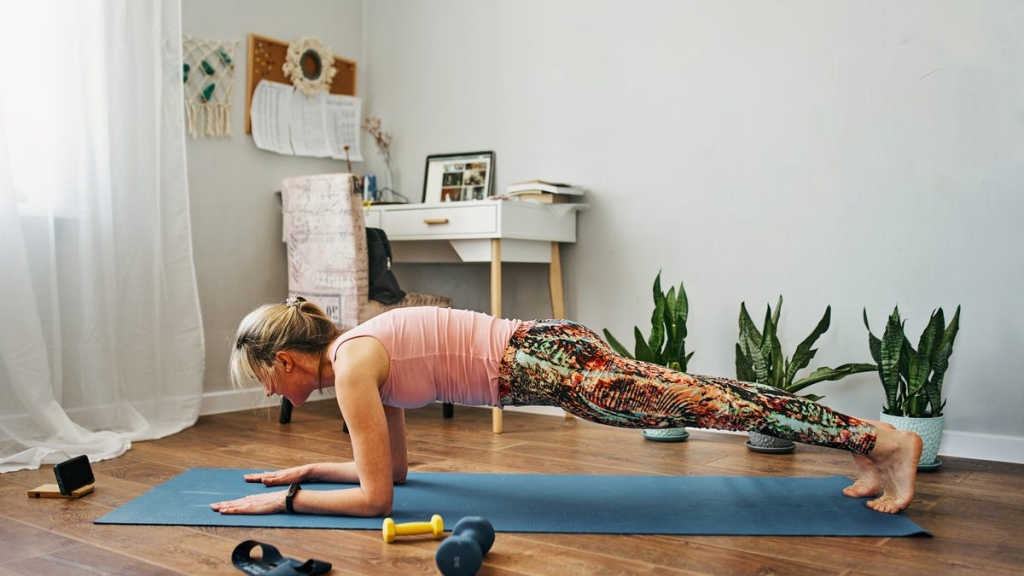
Home workout aficionados need apps that maximize minimal space. Consider options like Apple Fitness+, Peloton (which offers more than just cycling), or Freeletics, which provide high-intensity interval training (HIIT) workouts requiring little to no equipment. These apps often include modifications for different fitness levels and space constraints.
Equipment Check: What’s in Your Fitness Arsenal?
Before committing to a subscription, take inventory of your available equipment. Nothing kills motivation faster than starting an app-guided workout only to realize you need a pull-up bar when you live in a studio apartment.
Some apps, like Fitbod or Centr, offer intelligent algorithms that adapt workouts based on your available equipment. Input what you have—from resistance bands to kettlebells to just your body weight—and these apps generate appropriate routines. Others, like the Mirror or Tonal smart home gym systems, require significant investment in specialized equipment but offer unparalleled guided experiences.
Don’t forget about the small but mighty accessories. Many yoga and Pilates apps assume you have a quality mat, while strength training apps might expect dumbbells or resistance bands. Be honest about what you own and what you’re willing to purchase.
Goal Setting: From Couch Potato to Fitness Phenom
Your fitness goals should drive your app selection more than any other factor. Are you training for a marathon, trying to build muscle, seeking stress relief, or just trying to move more throughout the day?
For weight loss and general fitness, apps like MyFitnessPal (which combines nutrition tracking with workouts) or Lose It! provide comprehensive approaches. They track calories burned, suggest workouts based on your energy balance, and create accountability through community features.
Strength training enthusiasts should gravitate toward apps with detailed progression tracking. Strong, Hevy, or even spreadsheet-style apps like Lift allow you to log every set and rep, visualize your strength gains over time, and ensure you’re following progressive overload principles.
Endurance athletes need apps that can handle long-term training plans. TrainingPeaks, Garmin Connect, or specialized apps for running, cycling, or swimming offer structured programs that build toward race day while monitoring fatigue and preventing overtraining.
Mindfulness and recovery deserve attention too. Apps like Headspace or Calm integrate movement with meditation, while others like FitOn offer dedicated stretching and recovery sessions to complement your intense workouts.
The Budget Balancing Act: Free vs. Premium
Here’s the beautiful truth about fitness apps: there’s something for every budget, including absolutely free. The key is understanding what you’re getting at each price point.
Free apps like Nike Training Club, FitOn, or Adidas Training offer substantial workout libraries without subscription fees. They’re perfect for beginners or those testing the fitness app waters. However, they may include ads, have limited personalization, or lack advanced tracking features.
Budget-friendly options like MyFitnessPal’s free tier or basic Fitbod provide core functionality without breaking the bank. These often use a freemium model, where basic features are free but advanced analytics or personalized plans require payment.
Premium experiences like Apple Fitness+, Peloton, or Equinox+ command higher monthly fees but deliver studio-quality instruction, extensive content libraries, and seamless integration with wearable technology. These are ideal for those who thrive on instructor motivation and want the full boutique fitness experience at home.
Many apps offer free trials ranging from seven days to a month. Use this time strategically—test the interface, try different workout types, and honestly assess whether the app keeps you coming back. An app is only valuable if you actually use it consistently.
The Personalization Factor: Cookie Cutter or Custom Fit?
Some people thrive on structure and don’t mind following the same program as thousands of others. Apps like Couch to 5K or the 7 Minute Workout provide straightforward, proven protocols that work for many people without customization.
Others need a more personalized approach. AI-powered apps like Freeletics or Fitbod learn from your performance, adapting workouts based on your feedback, available time, and progress. These create truly individualized experiences that evolve with you.
For the ultimate personalization, consider apps that connect you with real human trainers. Future, for example, pairs you with a dedicated coach who creates weekly workout plans, provides form feedback through video, and adjusts your program based on your progress and feedback. This human element comes at a premium but can be transformative for those who need accountability and expertise.
The Social Component: Fitness Friends or Solo Journey?
Some apps leverage community to boost motivation. Strava turns every workout into a potential competition or celebration, allowing you to give “kudos” to friends’ activities and join challenges. Peloton’s leaderboard creates a group fitness atmosphere even when you’re alone.
Others prioritize individual focus. Many strength training apps are designed for you to log your workout without social pressure. Meditation and yoga apps often emphasize personal practice over comparison.
Consider your personality: do you draw energy from others’ achievements, or do you prefer to focus inward? The social features (or lack thereof) can significantly impact your long-term adherence.
Integration and Ecosystem: Playing Well with Others
The best workout app for you likely depends on your existing tech ecosystem. Apple users might gravitate toward Apple Fitness+ for seamless integration with the Apple Watch. Android users might prefer Google Fit’s native integration. Fitbit users have their own ecosystem to consider.
Beyond native integration, consider how well apps sync with other services you use. Can your workout data flow into your preferred health tracking app? Does it integrate with your smart scale or nutrition tracker? The more seamlessly your fitness data integrates across platforms, the clearer your overall health picture becomes.
Trial and Error: The Path to Your Perfect Match
Here’s the truth that fitness app developers won’t always admit: finding your perfect workout app often requires trying several options. What looks perfect on paper might feel clunky in practice. An app with five-star reviews might not align with your workout style or personality.
Take advantage of free trials systematically. Create a spreadsheet tracking each app’s strengths, weaknesses, and how motivated you felt using it. After each trial, assess not just the features but your emotional response—did you look forward to using it? Did it make you feel accomplished or frustrated?
Remember that your needs may evolve. The app that’s perfect for your couch-to-5K journey might not serve you once you’re training for a marathon. Be willing to reassess and switch as your fitness level and goals change.
The perfect workout app isn’t the one with the most features or the highest price tag—it’s the one you’ll use consistently. In the world of fitness technology, consistency beats perfection every time. Your ideal app is out there waiting to become your digital fitness partner, guiding you toward your goals one workout at a time.
Tags & Viral Phrases:
workout app revolution, fitness technology breakthrough, find your perfect fitness match, digital personal trainer, location tracking for runners, home workout revolution, equipment-free fitness, AI-powered workout plans, personalized fitness journey, budget-friendly fitness apps, free workout apps that actually work, premium fitness experience worth it?, cookie cutter vs custom workouts, fitness community motivation, social fitness features, app ecosystem integration, trial and error fitness, consistency over perfection, fitness app secrets revealed, transform your fitness routine, workout app comparison guide, fitness goals achieved, smart home gym technology, outdoor workout tracking, gym workout apps, mindfulness in fitness apps, progressive overload tracking, fitness accountability partners, wearable tech integration, workout app recommendations 2024, best fitness apps ranked, fitness app free trial strategy, personalized workout algorithms, boutique fitness at home, fitness data integration, motivation through technology, digital fitness diary, GPS workout tracking, HIIT workout apps, strength training apps, endurance training apps, recovery and stretching apps, nutrition tracking integration, fitness app subscription worth it?, beginner-friendly workout apps, advanced athlete apps, fitness app ecosystem, workout app user experience, long-term fitness success, fitness app switching strategy
,


Leave a Reply
Want to join the discussion?Feel free to contribute!