
AI-Powered Surgery Tool Repeatedly Injuring Patients, Lawsuits Claim
AI-Powered Surgical Tool Under Fire After Reports of Patient Injuries and Lawsuits
Artificial intelligence is making waves in the medical device industry—but not always in the way you’d hope. A growing number of health professionals and patients are raising alarms about the risks of AI-integrated surgical tools, with reports of malfunctions, injuries, and even lawsuits piling up.
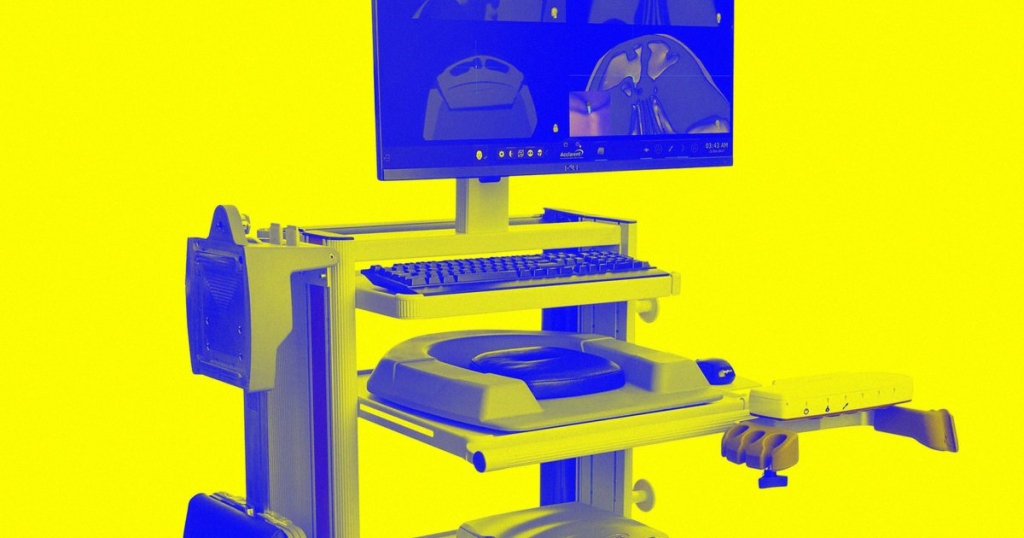
At the center of the controversy is the TruDi Navigation System, a device by Acclarent (now owned by Integra LifeSciences) designed to treat chronic sinusitis by inserting a tiny balloon to enlarge sinus cavity openings. While the device has been on the market for years, its integration of AI has sparked serious safety concerns.
According to the FDA, there have been at least 100 unconfirmed reports of malfunctions and adverse events linked to the TruDi Navigation System since the AI upgrade. Among these, at least 10 patients have suffered injuries, including punctured skulls, cerebrospinal fluid leaks, and strokes.
Two patients, Erin Ralph and Donna Fernihough, have filed lawsuits against Acclarent, alleging that the AI-powered device caused catastrophic errors during their surgeries. Ralph claims the system misled her surgeon, leading to a carotid artery injury and subsequent stroke. Fernihough alleges her carotid artery “blew” during the procedure, causing blood to spray and resulting in a stroke the same day.
The lawsuits accuse Acclarent of rushing the AI technology to market without adequate safety testing. One suit claims the company “lowered its safety standards” and set a goal of only 80 percent accuracy before integrating the AI into the TruDi Navigation System.
Integra LifeSciences has pushed back, stating there is “no credible evidence” linking the TruDi Navigation System or its AI technology to the alleged injuries. Acclarent has denied all allegations, and both cases are ongoing.
This controversy highlights a broader trend: the rapid integration of AI into operating rooms. While AI has been used in healthcare for decades—such as in cancer screening algorithms—the rise of advanced machine learning and large language models (LLMs) has accelerated its adoption. However, this speed comes with risks.
For example, a recent study found that an AI-enhanced stethoscope incorrectly identified heart failure in two-thirds of over 12,000 patients. Similarly, AI-powered medical chatbots have been caught hallucinating dangerous health advice, and some experts warn that doctors are losing the ability to spot cancer in scans due to overreliance on AI detectors.
Regulatory oversight remains a major concern. Unlike traditional medical devices, AI-powered tools don’t always require clinical trials before FDA approval. Instead, manufacturers often rely on comparisons to previously authorized devices. This loophole has drawn criticism from healthcare professionals and patient advocates.
Compounding the issue, the Trump administration’s budget cuts to the FDA have led to the departure of dozens of AI scientists, leaving fewer experts to oversee the growing number of AI medical devices. “If you don’t have the resources, things are more likely to be missed,” one former FDA device reviewer told Reuters.
In a controversial move, the FDA has begun outsourcing oversight duties to LLMs, aiming to “fuel innovation” and accelerate drug approvals. Meanwhile, public figures like Dr. Mehmet Oz have championed AI in healthcare, touting “robots” that can perform ultrasounds and “wands” that can diagnose fetal health—without requiring doctors to review the images themselves.
As AI continues to reshape the medical landscape, the stakes couldn’t be higher. Patients, doctors, and regulators must grapple with the promise and peril of this transformative technology. For now, the TruDi Navigation System controversy serves as a stark reminder: innovation without oversight can have life-altering consequences.
Tags & Viral Phrases:
- AI in surgery gone wrong
- Patients injured by AI medical devices
- TruDi Navigation System lawsuit
- FDA oversight of AI tools
- AI hallucinations in healthcare
- Doctors relying too much on AI
- Acclarent under fire
- Integra LifeSciences AI controversy
- Stroke caused by AI surgical error
- AI medical devices lack clinical trials
- FDA budget cuts hurt AI oversight
- Dr. Oz robots in healthcare
- AI stethoscope misdiagnoses heart failure
- AI medical chatbots giving bad advice
- AI cancer detection failures
- Innovation without safety testing
- AI in operating rooms risks
- Patients vs. AI-powered medical tools
- AI medical device malfunctions
- AI healthcare lawsuits rising
,


Leave a Reply
Want to join the discussion?Feel free to contribute!