
Samsung may revive Galaxy S9’s variable aperture to copy iPhone
Samsung May Bring Back Variable Aperture Cameras to Galaxy Phones, Sparked by Apple’s iPhone 18 Plans
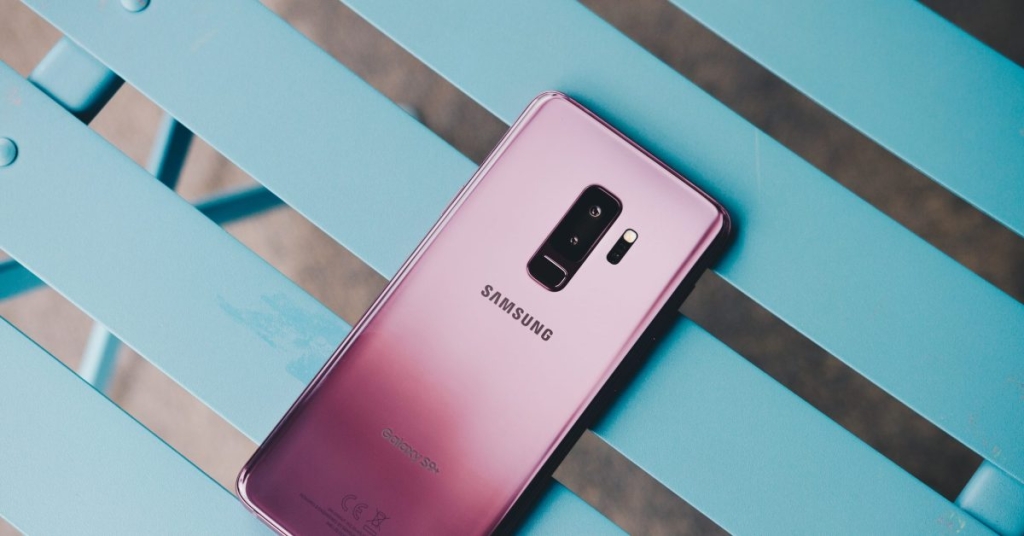
In a surprising twist that’s sending ripples through the smartphone industry, Samsung is reportedly preparing to resurrect a unique camera feature that first debuted on the Galaxy S9+ in 2018: variable aperture technology. This move comes directly in response to Apple’s rumored plans to introduce the same capability on the upcoming iPhone 18 series, highlighting once again how the fierce rivalry between these tech giants continues to drive innovation.
A Blast from the Past: The Original Galaxy S9+ Variable Aperture
Back in 2018, when Samsung unveiled the Galaxy S9 and S9+, the standout camera feature wasn’t just another megapixel bump or AI enhancement—it was something genuinely different. The S9+ featured a physical dual-aperture lens system that could switch between f/1.5 and f/2.4, allowing the camera to adapt to different lighting conditions automatically.
This wasn’t just software trickery; it was actual mechanical hardware that physically changed the size of the lens opening. In bright daylight, the camera would close down to f/2.4 to prevent overexposure and maintain sharpness. In low-light situations, it would open wide to f/1.5 to capture as much light as possible. It was a genuinely innovative approach that made the Galaxy S9+ feel like a true photography powerhouse.
Why Variable Aperture Matters
To understand why this feature is significant, let’s break down what aperture actually does. The aperture is essentially the opening in your camera lens that controls how much light reaches the sensor. Think of it like the pupil in your eye—it expands in darkness to let in more light and contracts in bright conditions to prevent overexposure.
Most smartphone cameras have fixed apertures, meaning they’re optimized for one particular lighting scenario but may struggle in others. A variable aperture system gives you the best of both worlds: wide-open apertures for stunning low-light performance and narrower apertures for crisp, detailed shots in bright conditions.
The Short-Lived Experiment
Despite the innovation, Samsung abandoned variable aperture after just one generation. The Galaxy S10 series in 2019 moved to a different camera architecture, and the variable aperture feature quietly disappeared from Samsung’s lineup. Industry observers speculated about various reasons—cost, complexity, or perhaps limited real-world utility—but the feature remained dormant for years.
Apple’s Influence Strikes Again
Now, according to reports from ETNews, Samsung has “requested the development of variable aperture technology from multiple camera module partners” and is “strongly committed” to bringing this feature back to future Galaxy smartphones. The catalyst? Apple’s rumored plans for the iPhone 18 series.
This isn’t the first time Apple’s moves have influenced Samsung’s strategy. The report notes that Samsung is making this decision for the sake of “camera competitiveness,” acknowledging that Apple’s potential adoption of variable aperture could give the iPhone a significant edge in mobile photography.
The iPhone 18 Connection
Apple’s rumored implementation of variable aperture technology on the iPhone 18 series represents a major shift in smartphone camera design. While details remain scarce, the feature might initially appear only on the iPhone 18 Pro Max, suggesting Apple is taking a measured approach to this hardware-intensive feature.
For Samsung, this represents both a challenge and an opportunity. The company has long positioned its Galaxy S series as the Android alternative to the iPhone, and camera quality remains one of the most important differentiators for premium smartphone buyers.
Technical Improvements Make a Comeback Possible
The report suggests that variable aperture technology has improved significantly since its initial debut on the Galaxy S9+. Both the cost and the physical footprint required for the mechanism have been reduced, making it more feasible to implement in modern smartphone designs that are already packed with increasingly sophisticated camera systems.
This technological maturation could mean that Samsung’s second attempt at variable aperture will be more refined and practical than the first. The company has had years to observe how users interacted with the feature and can potentially implement it in ways that address previous limitations.
A Pattern of Apple-Inspired Innovation
This isn’t the first time Samsung has adjusted its strategy based on Apple’s rumored plans. Recent reports suggest that Samsung scrapped its original Galaxy S26 plans entirely to better align with iPhone pricing and features. While that particular strategy hasn’t yielded the desired results, it demonstrates Samsung’s willingness to pivot quickly in response to competitive pressures.
The smartphone industry has long been characterized by this kind of competitive dynamic, where innovations from one major player often prompt responses from others. However, the speed and directness of Samsung’s response to Apple’s rumored plans is particularly noteworthy.
What This Means for Future Galaxy Devices
While the Galaxy S26 series is reportedly devoid of any significant camera upgrades, the return of variable aperture could signal a new direction for Samsung’s camera strategy in subsequent models. This feature could potentially debut on the Galaxy S27 series or even appear in a special edition device.
The timing is interesting, as it suggests Samsung is willing to wait for the right technological moment rather than rushing to market with an underdeveloped feature. This patience could pay off if the improved variable aperture technology delivers a noticeably better photography experience.
The Bigger Picture: Camera Competition Heats Up
The potential return of variable aperture to Samsung’s Galaxy lineup underscores how critical camera performance has become in the premium smartphone market. For many consumers, camera quality is the primary factor influencing their purchasing decisions, often outweighing other considerations like processor speed or battery life.
This renewed focus on hardware innovation—rather than just software algorithms and AI enhancements—suggests that smartphone manufacturers are reaching the limits of what can be achieved through computational photography alone. Sometimes, physical hardware improvements are necessary to push image quality forward.
Looking Ahead
As we await official announcements from both Samsung and Apple, the smartphone photography landscape appears poised for another leap forward. Whether variable aperture becomes a mainstream feature or remains a premium differentiator, its potential return to Samsung’s Galaxy devices marks an exciting development for mobile photography enthusiasts.
The coming years promise to be fascinating as these two tech giants continue their battle for camera supremacy, with consumers ultimately benefiting from the rapid pace of innovation driven by their competition.
Tags & Viral Phrases: Samsung variable aperture comeback, Apple iPhone 18 camera upgrade, Galaxy S9+ dual aperture revival, smartphone camera innovation 2026, Samsung copying Apple again, mobile photography competition heats up, variable aperture technology explained, Galaxy vs iPhone camera battle, Samsung camera strategy shift, iPhone 18 Pro Max features leak, smartphone hardware innovation returns, Samsung ETNews report analysis, mobile camera hardware evolution, Samsung Galaxy S27 camera rumors, Apple Samsung tech rivalry intensifies
,


Leave a Reply
Want to join the discussion?Feel free to contribute!