
ChatGPT rolls out ads | TechCrunch
OpenAI Tests Ads in ChatGPT: A Bold Move That’s Dividing the AI World
In a move that’s shaking up the AI landscape, OpenAI has officially begun testing advertisements in ChatGPT for users on its Free and newly launched Go subscription tiers in the U.S. This marks a significant shift in the company’s monetization strategy, as it seeks to balance accessibility with revenue generation in an increasingly competitive market.
The Go plan, introduced globally in mid-January, is a low-cost subscription priced at just $8 per month in the U.S. It’s designed to offer users a more affordable way to access ChatGPT’s advanced features, but with one notable addition: ads. OpenAI has made it clear that subscribers to its paid plans—including Plus, Pro, Business, Enterprise, and Education tiers—will remain ad-free, preserving the premium experience for those willing to pay more.
Addressing User Concerns
OpenAI is acutely aware of the potential backlash that ads could bring. In a blog post announcing the test, the company emphasized that advertisements will not influence the answers ChatGPT provides. “Ads do not influence the answers ChatGPT gives you, and we keep your conversations with ChatGPT private from advertisers,” the post stated. The company’s goal is to use ads to support broader access to more powerful ChatGPT features while maintaining the trust users place in the platform for important and personal tasks.
However, this move hasn’t been without controversy. Last month, OpenAI’s announcement of the ad test drew sharp criticism, particularly from rival Anthropic. During the Super Bowl, Anthropic aired a series of ads that poked fun at the idea of ads in AI responses. The commercials depicted glassy-eyed actors playing AI chatbots delivering advice alongside poorly targeted ads, highlighting how disruptive such a feature could be to the user experience.
The jabs didn’t sit well with OpenAI CEO Sam Altman, who responded with uncharacteristic testiness. Altman called Anthropic’s ads “dishonest” and labeled the company an “authoritarian” entity. The exchange underscores the high stakes and intense rivalry in the AI industry, where even Super Bowl commercials can spark heated debates.
The Ad Test: What Users Can Expect
OpenAI’s ad test is designed to be as user-friendly as possible, but it’s not without its challenges. In previous tests, the company experimented with matching ads to users based on the subject of their conversations, past chats, and previous ad interactions. For example, someone researching recipes might see ads for grocery delivery services or meal kits. OpenAI has assured users that advertisers won’t have access to individual user data, only aggregate information about ad performance, such as views and clicks.
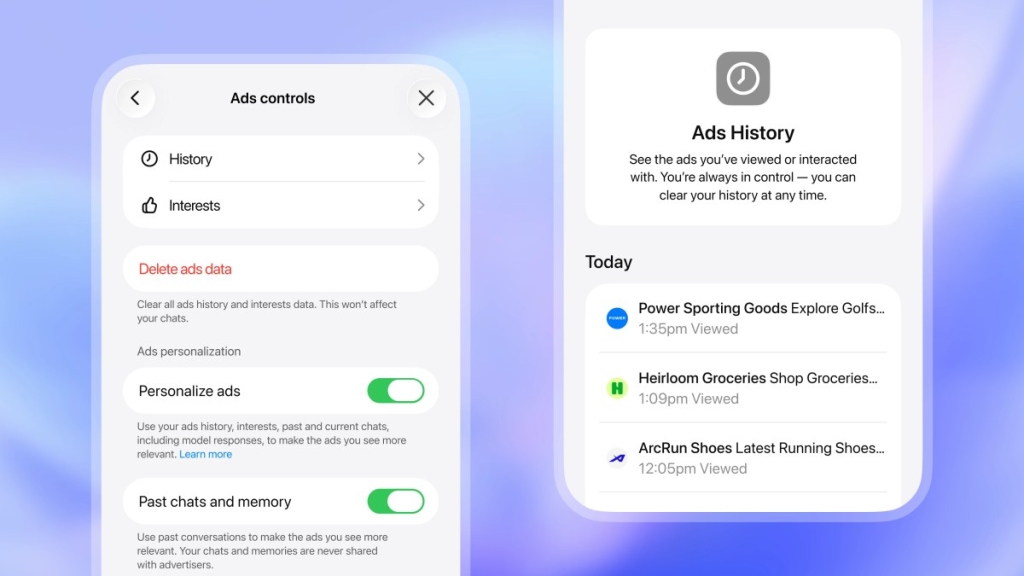
To address privacy concerns, OpenAI has implemented several safeguards. Users will be able to view their history of interactions with ads and clear it at any time. They can also dismiss ads, share feedback, view why they were shown a particular ad, and manage ad personalization settings. Additionally, ads will not be shown to users under 18, nor will they be placed near sensitive or regulated topics like health, politics, or mental health.
The Bigger Picture: Monetization in the AI Era
OpenAI’s decision to test ads is part of a broader trend in the tech industry, where companies are exploring new ways to monetize their AI products. Developing and maintaining advanced AI models like ChatGPT is incredibly costly, and OpenAI needs to find sustainable revenue streams to continue innovating and expanding its services.
However, the move has sparked debate about the future of AI and its role in our lives. Critics worry that ads could compromise the integrity of AI responses, even if OpenAI insists they won’t. There’s also the question of whether users will accept ads in what they’ve come to see as a trusted, ad-free tool.
OpenAI’s approach to this challenge will be closely watched by the industry. If successful, it could pave the way for other AI companies to adopt similar monetization strategies. If not, it could serve as a cautionary tale about the risks of disrupting user trust.
The Road Ahead
As OpenAI rolls out its ad test, the company will be under intense scrutiny from users, competitors, and industry observers alike. The success of this initiative could have far-reaching implications for the future of AI, shaping how these powerful tools are developed, marketed, and used.
For now, OpenAI remains committed to its mission of making advanced AI accessible to as many people as possible. Whether ads will help or hinder that goal remains to be seen. One thing is certain: the AI industry is entering a new era, and OpenAI is leading the charge.
Tags: OpenAI, ChatGPT, AI ads, monetization, Sam Altman, Anthropic, Super Bowl ads, AI industry, tech news, AI monetization, ChatGPT Go plan, AI competition, AI ethics, user experience, AI privacy, AI innovation
Viral Sentences:
- “Ads do not influence the answers ChatGPT gives you, and we keep your conversations with ChatGPT private from advertisers.”
- “OpenAI CEO Sam Altman called Anthropic’s Super Bowl ads ‘dishonest’ and labeled the company ‘authoritarian.’”
- “OpenAI is testing ads in ChatGPT, but will users accept this new reality?”
- “The AI industry is entering a new era, and OpenAI is leading the charge.”
- “Critics worry that ads could compromise the integrity of AI responses, even if OpenAI insists they won’t.”
,


Leave a Reply
Want to join the discussion?Feel free to contribute!