
One Of The Biggest US Cities Is Installing Automatic Speed Cameras With Hefty Fines
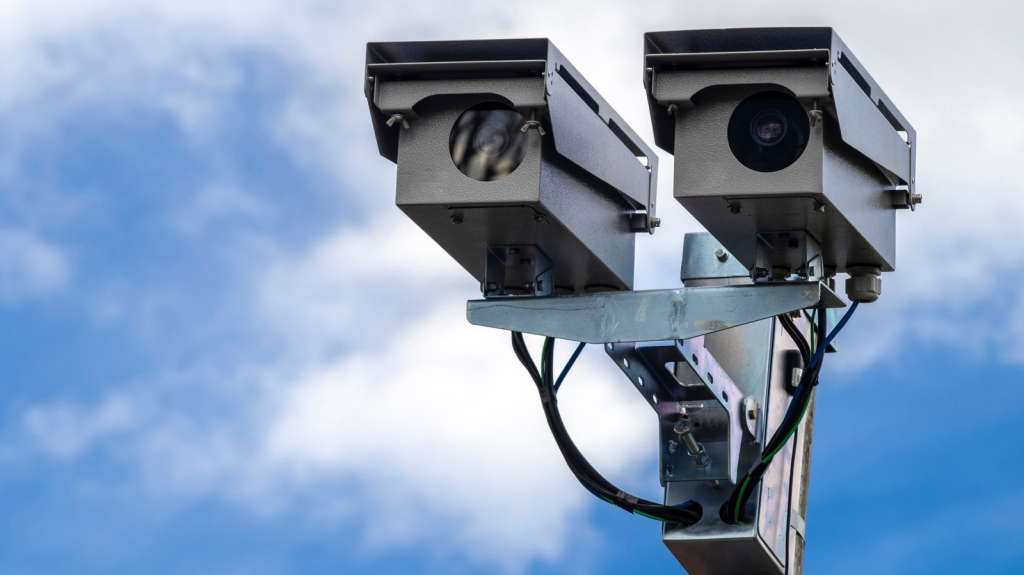
Los Angeles Drivers Brace for Impact: The Era of Automated Speed Cameras Has Arrived
In a move that’s sending shockwaves through California’s car culture, Los Angeles is about to become the largest American city to deploy a comprehensive network of automated speed cameras. Starting in 2026, drivers who exceed posted speed limits will face immediate fines—no human intervention, no appeals process, just cold, hard automated justice delivered straight to their mailboxes.
The scale of this operation is staggering. One hundred twenty-five high-tech cameras will be strategically positioned throughout LA’s sprawling urban landscape, creating what amounts to the most extensive speed enforcement system ever implemented in the United States. This isn’t just another traffic initiative—it’s a fundamental reimagining of how we enforce road safety in America’s second-largest city.
The numbers behind this program tell a story of judicial necessity. California Highway Patrol officers currently issue approximately 1,600 citations monthly to drivers caught traveling over 100 mph—a figure that’s overwhelming the state’s judicial infrastructure. The DMV and court systems are buckling under the weight of these violations, creating dangerous backlogs that delay justice and compromise public safety. Assembly Bill 645, the legislative vehicle driving this change, represents a pragmatic response to an untenable situation.
The financial penalties are designed to hurt. Drivers caught exceeding 100 mph face a $500 fine—a figure that’s likely to make even the most cavalier speeders think twice. But the graduated system ensures that even those going just 11 mph over the limit won’t escape unscathed, with fines starting at $50 and escalating to $200 for the most egregious offenders. This isn’t just about punishing the extreme cases; it’s about creating a culture of compliance across all speed ranges.
The technology behind these cameras represents the cutting edge of traffic enforcement. Similar to red-light camera systems but far more sophisticated, these devices use advanced optical recognition to capture license plate numbers with near-perfect accuracy. The Los Angeles Department of Transportation has built in a crucial grace period—60 days of warning notices before the system goes live—giving drivers time to adjust their behavior and internalize the new reality of LA’s streets.
What makes this system particularly revolutionary is its elimination of human discretion. Unlike traditional traffic stops where officers might exercise judgment based on circumstances, these cameras operate on pure mathematical certainty. If you’re speeding, you’re getting a ticket. Period. This removes the potential for bias, corruption, or favoritism that has historically plagued traffic enforcement, but it also removes the possibility of mercy or understanding.
The implications extend far beyond Los Angeles. San Francisco, San Jose, Glendale, Oakland, and Long Beach are all implementing similar systems, creating a domino effect that could transform traffic enforcement across California and potentially the entire nation. If LA’s experiment proves successful—and early indicators suggest it will—we could be witnessing the birth of a new paradigm in road safety.
The evidence from other jurisdictions is compelling. Philadelphia’s experience with speed cameras on its most dangerous road provides a blueprint for success: a 90% reduction in excessive speeding, 36% fewer car crashes, and a 50% decrease in traffic fatalities within just seven months of implementation. These aren’t incremental improvements; they’re transformative changes that save lives and reduce the human and economic costs of traffic accidents.
But the real revolution might be in how this technology changes driver behavior at a fundamental level. As awareness of these cameras spreads, we’re likely to see a surge in demand for vehicles equipped with intelligent speed assistance systems and other safety technologies. The fear of automated penalties could drive adoption of features that many drivers have previously ignored or disabled. This represents an unexpected but welcome convergence of enforcement technology and automotive safety innovation.
The psychological impact cannot be overstated. For generations, American drivers have operated under the assumption that speeding tickets require human intervention—a police officer must witness the violation, make a judgment call, and physically interact with the driver. This new system shatters that paradigm, replacing it with an unblinking technological eye that never sleeps, never gets distracted, and never shows mercy.
There’s also the question of equity and accessibility. While the system removes human bias from enforcement, it raises concerns about disproportionate impacts on lower-income communities who may lack the resources to fight tickets or pay fines promptly. The automated nature of the system means that economic status becomes the primary determinant of whether a ticket becomes a manageable inconvenience or a devastating financial burden.
The broader automotive industry is already responding to this shift. Manufacturers are likely to accelerate development of speed-limiting technologies and driver assistance features that automatically keep vehicles within posted limits. This could mark the beginning of the end for America’s culture of casual speeding—a cultural shift that many safety advocates have dreamed about but few thought possible.
For Los Angeles residents, the message is clear: the freewheeling days of LA driving are over. The city’s legendary traffic culture, built on a foundation of fast cars and faster drivers, is about to collide with the cold reality of automated enforcement. Whether this represents progress or oppression depends largely on one’s perspective, but one thing is certain—the streets of Los Angeles will never be the same.
The success or failure of LA’s automated speed camera program will likely determine whether other major American cities follow suit. If accident rates plummet and compliance increases as expected, we could see this technology spread like wildfire across the country. But if the system proves unpopular, ineffective, or prone to errors, it could face significant pushback and potential repeal.
As the installation date approaches, tension is building among LA’s driving community. Some view it as a necessary evolution in road safety; others see it as an Orwellian overreach. But regardless of where you stand, one truth remains: the age of automated traffic enforcement has arrived in America’s car capital, and there’s no going back.
#AutomatedSpeedCameras #LASpeedEnforcement #TrafficSafety #RoadSafetyTechnology #CaliforniaTrafficLaws #SmartCityInfrastructure #AutomatedTicketing #SpeedingFines #LosAngelesTransportation #FutureOfDriving
Automated justice is coming to LA streets
$500 fines for 100+ mph speeding
125 cameras transforming LA traffic enforcement
No more warnings – automated tickets are here
Philadelphia’s 90% speeding reduction proves it works
Smart cars may become essential for LA drivers
The end of human discretion in traffic stops
California leads the automated enforcement revolution
Your license plate is the new speed trap
Technology vs. tradition in America’s car culture,


Leave a Reply
Want to join the discussion?Feel free to contribute!