
On the front line of Europe’s standoff with Russia’s shadow fleet
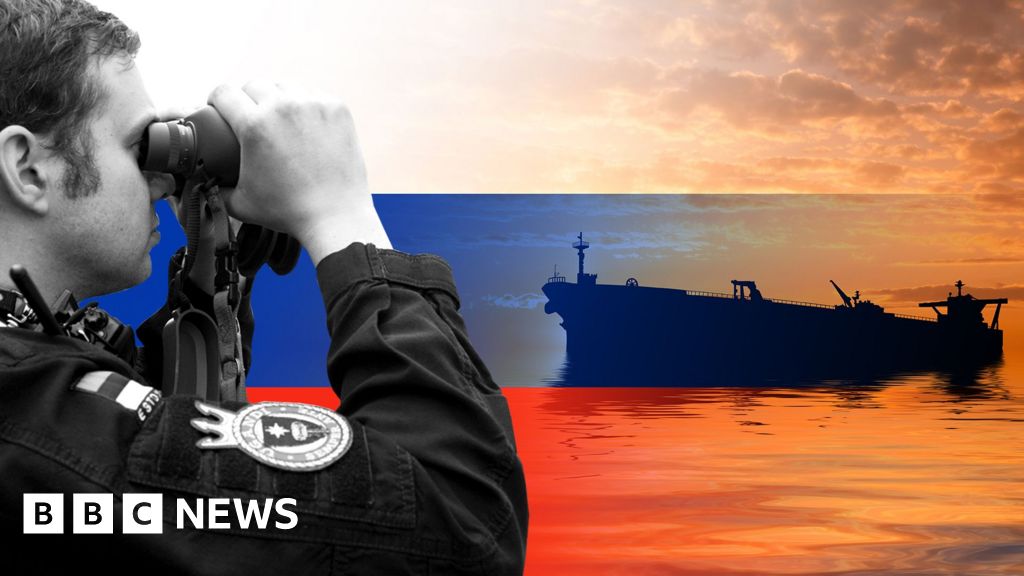
The Alarming Rise of Aging Vessels and the Looming Maritime Crisis
The global maritime industry is facing an increasingly troubling phenomenon that threatens both environmental stability and economic accountability. As fleets around the world continue to age, many vessels are operating well beyond their intended service lives, creating what experts are describing as a ticking time bomb on the world’s oceans.
Senior maritime intelligence analyst Michelle Wiese Bockmann from Windward AI has raised serious concerns about the current state of commercial shipping. “We’re seeing vessels that are essentially floating rust buckets,” Bockmann explains, highlighting the deteriorating condition of ships that continue to operate despite their advanced age and questionable seaworthiness.
The problem extends far beyond mere cosmetic deterioration. These aging vessels represent a significant risk to marine ecosystems, coastal communities, and the global economy. The infrastructure that keeps these ships operational is often compromised, with corrosion eating away at critical structural components and outdated technology failing to meet modern safety standards.
When examining the statistics, the picture becomes even more concerning. The average age of bulk carriers and tankers has steadily increased over the past decade, with many vessels now operating 20-30 years after their initial launch. This extended service life is often driven by economic pressures, as shipowners seek to maximize returns on their investments while avoiding the substantial costs associated with fleet modernization.
The regulatory framework governing maritime operations has struggled to keep pace with this aging fleet crisis. International maritime organizations have implemented various safety and environmental standards, but enforcement remains inconsistent across different jurisdictions. This regulatory gap creates opportunities for substandard vessels to continue operating, particularly in regions with limited oversight capacity.
Insurance companies are beginning to recognize the heightened risks associated with older vessels, leading to increased premiums and more stringent coverage requirements. However, the financial incentives to keep aging ships operational often outweigh the costs of compliance, creating a dangerous cycle of deferred maintenance and increased risk.
The environmental implications of potential accidents involving these aging vessels are staggering. A single incident involving a large tanker could result in billions of dollars in environmental damage, with oil spills potentially devastating marine ecosystems for decades. The cleanup costs alone would be astronomical, not to mention the long-term economic impact on fishing industries and coastal tourism.
Perhaps most troubling is the question of accountability when disasters occur. As Bockmann pointedly notes, “If there is an accident, like a billion-dollar oil spill, good luck with trying to find somebody responsible to pick up any cost.” This statement underscores a critical vulnerability in the current maritime liability framework.
The complexity of modern shipping operations often involves multiple entities across different jurisdictions. A vessel might be owned by a company in one country, registered under a flag of convenience in another, operated by a management company in a third country, and chartered by yet another entity. This web of ownership and operational structures can make it extremely difficult to determine who bears ultimate responsibility when accidents occur.
Furthermore, many aging vessels operate with minimal insurance coverage or utilize complex corporate structures designed to limit liability. In the event of a major incident, the responsible parties may simply declare bankruptcy or dissolve their operations, leaving governments and communities to bear the financial burden of cleanup and compensation.
The technological limitations of older vessels compound these risks. Many ships lack modern navigation systems, automated safety features, and real-time monitoring capabilities that could help prevent accidents. Their communication systems may be outdated, making it difficult for authorities to respond quickly in emergency situations.
Climate change adds another layer of complexity to this already precarious situation. As weather patterns become more extreme and unpredictable, older vessels face increased stress from rough seas, stronger storms, and changing ocean conditions. The structural integrity of these aging ships may not be sufficient to withstand the challenges posed by a changing climate.
Industry experts are calling for a multi-faceted approach to address this growing crisis. This includes stricter enforcement of existing regulations, enhanced inspection protocols, financial incentives for fleet modernization, and the development of more robust liability frameworks that ensure accountability in the event of accidents.
Some countries have begun implementing more rigorous inspection regimes for older vessels entering their ports, while international organizations are working to strengthen global standards. However, progress remains slow, and the economic pressures driving the continued operation of aging vessels show no signs of abating.
The maritime industry stands at a critical juncture. Without significant intervention, the trend of operating aging vessels will likely continue, increasing the probability of catastrophic accidents and environmental disasters. The question is not if another major maritime incident will occur, but when and with what devastating consequences.
As the world becomes increasingly dependent on maritime trade for essential goods and commodities, ensuring the safety and reliability of the global shipping fleet must become a top priority. The floating rust buckets of today could become the environmental and economic disasters of tomorrow if decisive action is not taken to address this growing crisis.
The maritime industry, regulatory bodies, and international community must work together to develop and implement solutions that balance economic realities with the imperative of protecting our oceans and coastal communities. The cost of inaction will almost certainly far exceed the investments required to ensure a safer, more sustainable maritime future.
Tags & Viral Phrases:
floating rust buckets, billion-dollar oil spill, maritime intelligence analyst, Windward AI, Michelle Wiese Bockmann, aging vessels crisis, environmental disaster, maritime liability, fleet modernization, regulatory enforcement, climate change impact, ship safety standards, international maritime law, corporate accountability, ocean ecosystem protection, shipping industry risks, vessel inspection protocols, maritime accident prevention, global trade safety, coastal community protection, structural integrity concerns, extreme weather navigation, insurance coverage gaps, flag of convenience issues, maritime ownership complexity, environmental cleanup costs, safety technology upgrades, regulatory framework gaps, economic pressure on shipping, marine ecosystem devastation, liability framework reform, inspection regime enhancement, fleet age statistics, operational risk assessment, maritime disaster prevention, sustainable shipping future, accountability challenges, environmental protection imperative, shipping industry reform, global maritime standards, vessel maintenance crisis, economic incentives for safety, maritime industry crossroads, ocean conservation urgency, shipping safety revolution, environmental responsibility, maritime accident accountability, fleet modernization incentives, regulatory compliance challenges, maritime industry transformation, environmental disaster prevention, shipping safety innovation, global trade reliability, maritime risk management, ocean protection priorities, shipping industry accountability, environmental stewardship, maritime safety evolution, fleet sustainability, regulatory enforcement enhancement, shipping industry modernization, environmental impact mitigation, maritime safety culture, global shipping standards, vessel safety technology, maritime accident investigation, environmental damage prevention, shipping industry sustainability, regulatory framework modernization, maritime safety investment, environmental protection measures, shipping industry oversight, vessel age management, maritime safety protocols, environmental risk assessment, shipping industry accountability measures, maritime safety innovation, global shipping regulation, vessel maintenance standards, environmental protection enforcement, shipping industry reform initiatives, maritime safety priorities, environmental disaster response, shipping industry transformation, maritime safety culture change, global shipping safety, vessel inspection enhancement, environmental protection strategies, shipping industry modernization efforts, maritime safety technology, environmental impact reduction, shipping industry oversight improvement, vessel age limitation, maritime safety advancement, environmental protection innovation, shipping industry accountability enhancement, maritime safety investment priorities, environmental disaster prevention measures, shipping industry sustainability goals, regulatory enforcement improvement, vessel safety enhancement, environmental protection progress, shipping industry reform acceleration, maritime safety culture development, global shipping safety improvement, vessel maintenance enhancement, environmental protection advancement, shipping industry modernization acceleration, maritime safety technology innovation, environmental impact mitigation strategies, shipping industry accountability progress, maritime safety investment increase, environmental disaster prevention advancement, shipping industry sustainability acceleration, regulatory enforcement enhancement, vessel safety improvement, environmental protection innovation acceleration, shipping industry oversight enhancement, vessel age management improvement, maritime safety protocol enhancement, environmental risk assessment advancement, shipping industry reform acceleration, maritime safety culture advancement, global shipping safety enhancement, vessel inspection improvement, environmental protection strategy advancement, shipping industry modernization acceleration, maritime safety technology advancement, environmental impact reduction acceleration, shipping industry accountability enhancement, maritime safety investment acceleration, environmental disaster prevention enhancement, shipping industry sustainability acceleration, regulatory enforcement acceleration, vessel safety acceleration, environmental protection acceleration, shipping industry reform acceleration, maritime safety culture acceleration, global shipping safety acceleration, vessel maintenance acceleration, environmental risk assessment acceleration, shipping industry modernization acceleration, maritime safety technology acceleration, environmental impact mitigation acceleration, shipping industry accountability acceleration, maritime safety investment acceleration, environmental disaster prevention acceleration, shipping industry sustainability acceleration.
,


Leave a Reply
Want to join the discussion?Feel free to contribute!