
Here’s how to disable Ring’s creepy Search Party feature
Ring’s Super Bowl Ad Sparks Surveillance State Fears as “Search Party” Feature Stuns Viewers
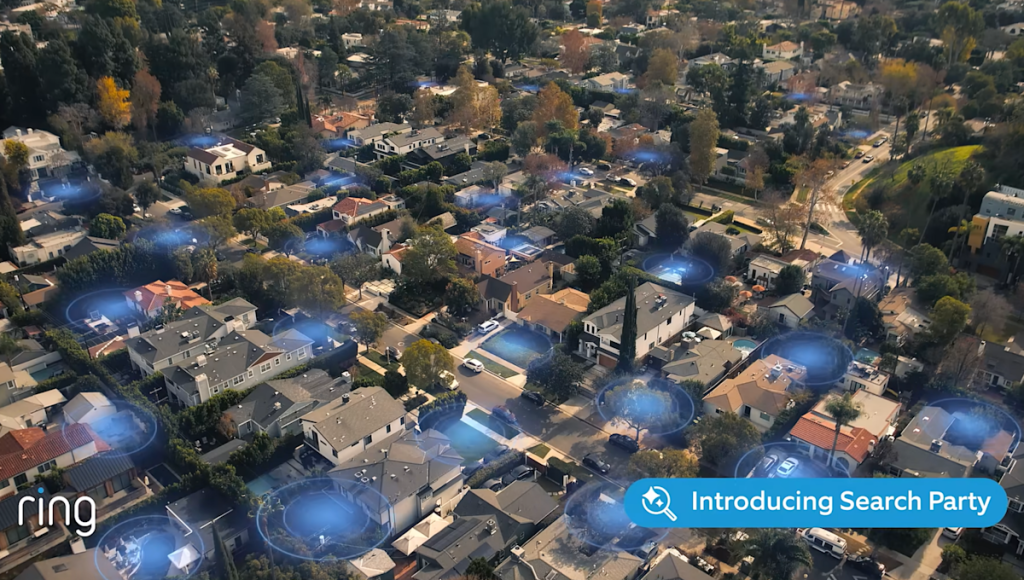
Ring’s Super Bowl commercial, designed to showcase its new “Search Party” feature for finding lost pets, has instead ignited a firestorm of controversy and privacy concerns across social media platforms. What was intended as a heartwarming campaign about reuniting owners with their furry companions has instead exposed the unsettling reality of mass surveillance infrastructure already embedded in millions of homes.
The commercial, which aired during one of television’s most-watched events, demonstrates how Ring’s network of doorbell cameras can be transformed into a distributed surveillance system. When a pet goes missing, the Search Party feature activates AI-powered recognition across participating Ring devices, creating a real-time tracking network that scans for the lost animal. While the technology promises to help find Fido, critics argue it represents a dangerous precedent for privacy erosion.
The Slippery Slope of Distributed Surveillance
Privacy advocates and concerned citizens quickly pointed out the troubling implications of this technology. The same infrastructure designed to track pets could be easily modified to monitor human movement across neighborhoods. What starts as a tool for finding lost dogs could evolve into a comprehensive tracking system for people, raising questions about the future of public privacy in an increasingly connected world.
The backlash intensified when users discovered that Search Party was enabled by default on their devices, meaning millions of Ring cameras were already participating in this surveillance network without explicit user consent. This revelation sparked immediate calls for transparency and control over how personal security devices are being used.
The Numbers Don’t Add Up
Adding fuel to the controversy is the feature’s questionable effectiveness. According to Amazon CEO Andy Jassy, Search Party has helped locate only 99 lost dogs over 90 days of operation. When compared to the estimated ten million pets that go missing annually in the United States, this represents an alarmingly low success rate of approximately 0.005 percent.
Critics argue that this minimal benefit comes at the cost of creating a massive surveillance infrastructure that could be repurposed for far more invasive applications. The question becomes whether the potential to help a handful of pet owners justifies the creation of a network capable of tracking millions of people.
User Backlash and Privacy Concerns
Social media erupted with reactions ranging from disbelief to outright fear. Many users expressed concern about contributing to what they see as the building blocks of a surveillance state, all for a feature that appears to have limited practical value. The timing of the Super Bowl ad, which brought mainstream attention to a feature that had been quietly operating for months, seems to have backfired spectacularly.
The controversy highlights a growing tension between convenience-focused technology and privacy rights. As smart home devices become more sophisticated and interconnected, the line between helpful features and invasive surveillance continues to blur.
How to Disable Search Party
For those looking to opt out of the Search Party network, Ring has provided options, though they require manual intervention. Here’s how to disable the feature:
- Open the Ring app on your smartphone
- Tap the menu icon in the top-left corner
- Select “Control Center” from the menu options
- Tap on “Search Party”
- Toggle both “Search for Lost Pets” and “Natural Hazards” to the disabled position
- Repeat this process for each Ring camera you own
Privacy-conscious users can take additional steps by deleting all saved video footage. To do this, tap the History icon in the app and select “Delete All” to remove any stored recordings that could potentially be accessed by third parties.
Law Enforcement Access Concerns
The controversy extends beyond just the Search Party feature itself. Questions have arisen about what data Ring shares with law enforcement agencies and how this information might be used. The company’s partnerships with police departments have already raised eyebrows, and the expansion of surveillance capabilities through features like Search Party only amplifies these concerns.
For users who want to maintain maximum privacy, regularly clearing video history and carefully managing sharing settings becomes essential. The default settings on many smart home devices tend to favor data collection and sharing, making it crucial for users to actively manage their privacy preferences.
The Future of Smart Home Surveillance
Ring’s Super Bowl ad controversy serves as a wake-up call about the hidden capabilities of smart home devices and the potential for these technologies to be used in ways that users never anticipated. As artificial intelligence and connected devices become more prevalent, the need for transparent policies and user control over data collection becomes increasingly important.
The incident also raises broader questions about the role of technology companies in building surveillance infrastructure and the responsibility they bear in protecting user privacy. While features like Search Party may offer genuine benefits, the potential for misuse and the creation of comprehensive tracking networks cannot be ignored.
Tags & Viral Phrases
- Ring doorbell surveillance controversy
- Search Party feature backlash
- Super Bowl ad privacy nightmare
- Mass surveillance infrastructure
- AI pet tracking privacy concerns
- Smart home spying capabilities
- Ring law enforcement partnerships
- Default surveillance settings
- Pet finding technology privacy cost
- Distributed camera network fears
- Amazon Ring privacy controversy
- Smart doorbell tracking capabilities
- Privacy advocates sound alarm
- User data collection backlash
- Surveillance state concerns
- Smart home privacy settings
- Ring camera default settings
- AI recognition privacy issues
- Home security privacy trade-offs
- Connected device surveillance risks
,

Leave a Reply
Want to join the discussion?Feel free to contribute!