
Don’t wait for spring: 7 winter-hardy vegetables you can plant in February
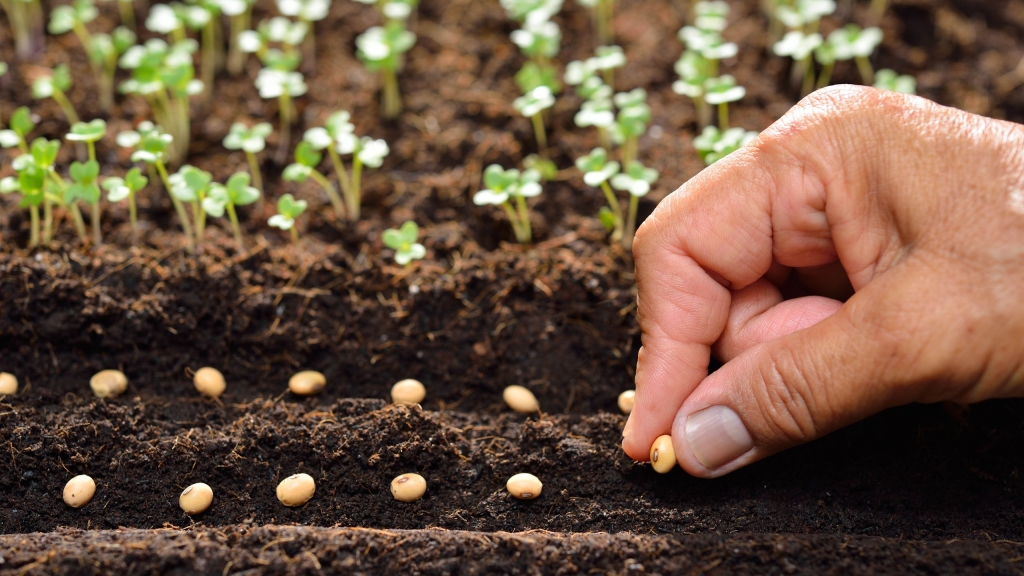
7 Vegetables to Plant in February for an Early Spring Harvest
As Punxsutawney Phil predicts another six weeks of winter, gardeners across the country are already planning ahead for spring. February might seem too early to start planting, but for many regions, it’s the perfect time to get a head start on your vegetable garden. The cold months actually offer a unique opportunity to plant several hardy vegetables that thrive in cooler temperatures and will be ready for harvest just as spring arrives.
Whether you’re in a warmer climate where February feels like spring, or you’re in a colder region looking to start seeds indoors, these seven vegetables are perfect for February planting. Let’s dive into what you should be sowing now to enjoy an early and bountiful harvest.
1. Broccoli
Broccoli is a cool-weather crop that actually prefers to grow on either side of peak summer. If you live in warmer regions of the U.S., February is an ideal time to plant broccoli. As a member of the brassica family, broccoli is hardy, nutrient-dense, and perfect for cold-weather planting.
Planting Tips:
- Sow seeds outdoors directly about 6-8 weeks before the last frost
- Choose a sunny location with well-drained, fertile soil
- Broccoli seeds are cold-tolerant, unlike many other vegetables
- Be patient—broccoli takes time to mature but is worth the wait
Best for zones 7-10
2. Leek
The often-overlooked sibling of the onion, leeks are a delicately flavored allium that adds depth to countless dishes. They’re also surprisingly fun to grow, with their dramatic plumes of long, flat leaves creating visual interest in your garden.
Planting Tips:
- Start seeds indoors about 8-10 weeks before the last frost date
- Plant seeds about a quarter-inch deep in well-moistened soil
- Transplant outdoors when seedlings are hardened off and temperatures reach 45°F during the day
- Plant outdoors about 6 inches deep to encourage longer stalks
- Use compost to keep soil rich with nutrients
Best for zones 3-7
3. Cabbage
Cabbage often gets a bad reputation from childhood memories of soggy, smelly servings, but this versatile vegetable deserves a place in your garden. It’s particularly valuable during the cooler months when other crops might struggle.
Planting Tips:
- Start seeds indoors about 6-8 weeks before the average last frost date
- Transplant outdoors 1-3 weeks before the last frost after hardening off seedlings
- Don’t wait too long to transplant—hot weather can restrict ripening
- Cabbage absorbs nutrients quickly, so consistent fertilization is essential
- Choose from green, red, or savoy varieties for diversity
Best for zones 5-9
4. Lettuce
A staple of spring salads, lettuce provides the color, crunch, and freshness that have been missing during winter months. It’s also one of the easiest vegetables to grow and requires minimal maintenance.
Planting Tips:
- Sow seeds directly outdoors once soil is workable, or start indoors 6-8 weeks before last frost
- For indoor starts, transplant outdoors roughly three weeks before final frost
- Continue sowing seeds outdoors in waves after frost risk has passed to prolong harvest
- Lettuces prefer loose, well-draining but moist soil
- Consider growing in containers if garden space is limited
Best for zones 7-10
5. Pea Shoots
While garden peas are beloved spring vegetables, their young shoots are equally delicious and ready for harvest even sooner. If you’re looking for a quick-growing crop, pea shoots are your answer.
Planting Tips:
- In warmer weather, sow seeds directly outdoors when soil reaches 50-60°F
- For February planting, start with trays indoors
- Harvest young shoots when they reach 3-4 inches in height
- No trellis needed since you’re harvesting early
- Keep seeds moist and on top of well-draining soil (don’t cover them)
- Pre-soak seeds overnight to speed germination
Best for zones 3-10
6. Tomatoes
While tomatoes might seem like a summer-only crop, gardeners in warmer regions can actually start their summer crop as early as 6-8 weeks before the average final frost date—but seeds must be started indoors in a temperature-controlled environment.
Planting Tips:
- Start seeds indoors in small trays about half an inch below soil surface
- Keep soil moist but not soaked with well-draining soil
- Wait several weeks even if seedlings seem strong before transplanting
- Move outdoors only when soil temperature reaches mid-50s
- Tomatoes are not frost-tolerant, so timing is crucial
- Starting early allows for more variety and staggered plantings
Best for zones 7-10
7. Artichokes
Artichokes might seem intimidating with their spiky buds and gourmet reputation, but they’re surprisingly accessible for home gardeners. They prefer cooler temperatures and can be grown from seed, rooted shoots, or dormant roots.
Planting Tips:
- If growing from seed, plant indoors approximately 8-10 weeks before outdoor transplanting
- Soak seeds overnight in warm water to kickstart germination
- Place in seed trays with bright light and warm temperatures
- Keep soil consistently moist—artichokes are thirsty plants
- Supplement with fertilizer regularly
- Plants can grow up to 5 feet tall and produce multiple buds
Best for zones 3-7
Pro Tips for February Planting Success
Know Your Zone: Always check your specific USDA growing zone before planting. What works in zone 9 might fail in zone 4.
Start Seeds Indoors: For most vegetables on this list, starting seeds indoors gives you a crucial head start on the growing season.
Use Quality Soil: Invest in good seed-starting mix for indoor planting—it makes a huge difference in germination rates.
Harden Off Seedlings: Don’t rush to transplant. Gradually expose indoor-grown seedlings to outdoor conditions over 7-10 days.
Monitor Weather: Keep an eye on unexpected cold snaps or warm spells that could affect your planting schedule.
Succession Planting: For continuous harvests, plant in waves rather than all at once.
February planting might require a bit more planning and patience, but the reward of harvesting fresh vegetables while your neighbors are just starting their gardens is absolutely worth it. By getting these seven vegetables in the ground now, you’ll be enjoying homegrown produce weeks ahead of schedule.
Remember to adjust planting times based on your local climate and always err on the side of caution when it comes to frost dates. Happy gardening!
Tags: #Gardening #VegetableGarden #SpringPlanting #FebruaryGardening #GrowYourOwn #SustainableLiving #UrbanFarming #GardenHacks #EarlyHarvest #ColdWeatherCrops #GreenThumb #Homegrown #OrganicGardening #GardenTips #PlantingSeason #GardenLife #GrowFood #GardenInspiration #VegetableGrowing #GardenGoals
ViralSentences: “Start your garden in February and harvest before everyone else!” “These vegetables actually prefer the cold—who knew?” “Get ahead of the game with these February-proof crops” “Your neighbors will be jealous of your early harvest” “Gardening isn’t just for spring anymore” “The secret to early vegetables starts now” “Cold weather? No problem for these hardy plants” “Transform your winter garden into a spring paradise” “Why wait for spring when you can start now?” “The ultimate garden hack for early harvests”
,

Leave a Reply
Want to join the discussion?Feel free to contribute!