
How to Tell If Your Eggs Are Bad Before You Crack Them Open
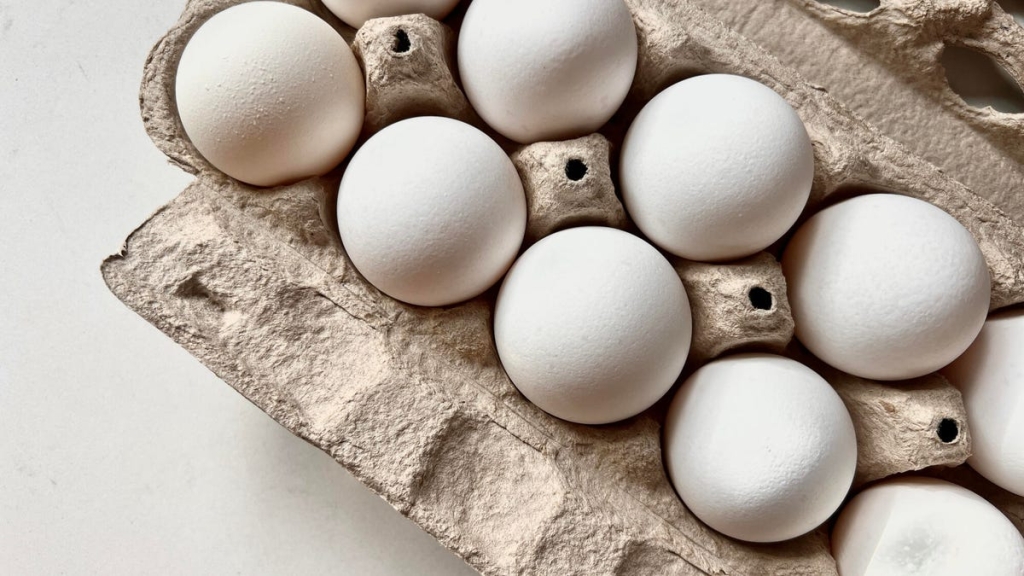
Eggs Stay Fresh for Weeks Past the “Best By” Date — Here’s How to Tell If They’re Still Good
Most people toss eggs the moment they pass their “best by” date, but according to food safety experts, that date is more about quality than safety. In fact, eggs can remain perfectly safe to eat for one to two weeks — or even longer — after that date, as long as they’ve been stored properly in the fridge.
Zachary Cartwright, lead food scientist at Aqualab by Addium and member of the Institute of Food Technologists, says eggs typically last three to five weeks in the refrigerator. “That date isn’t a safety warning — it’s actually a suggestion about quality,” he explains. “Eggs often remain safe to eat for a week or two beyond that date, as long as they’ve been kept refrigerated.”
To maximize freshness, Cartwright recommends storing eggs in their original carton with the pointed end down. This helps maintain freshness by keeping the air cell at the top, slowing moisture loss and keeping the yolk centered. It’s also important to store them in the coldest part of your fridge, not the door, where temperatures fluctuate.
Why do we refrigerate eggs in the U.S.? Unlike some countries where eggs are sold unrefrigerated, American eggs are washed to prevent the spread of salmonella. This washing removes the natural protective coating on the shell, making them more susceptible to bacteria — hence the need for refrigeration.
But what if you want to keep eggs even longer? You can freeze them! Just don’t freeze them in their shells. Crack them, beat them together, and store in an airtight container, or separate the yolks and whites. Frozen eggs can last up to a year. Cooked eggs, like scrambled eggs or egg bites, can be frozen for two to three months.
Not sure if your eggs are still good? Try the simple float test: Fill a glass with cold water and gently drop the egg in. If it sinks and lies flat, it’s fresh. If it sinks but stands upright, it’s older but still safe to eat. If it floats, it’s gone bad and should be tossed.
Other signs of spoilage include a strong sulfur-like odor or unusual coloring in the egg white or yolk, such as pink, green, or iridescent hues.
So, is it bad to eat expired eggs? Not necessarily — as long as you’ve checked for spoilage using the methods above. The “best by” date is a guideline, not a hard rule. But when in doubt, always err on the side of caution.
Tags: eggs, food safety, expiration dates, fridge storage, float test, salmonella, freezing eggs, egg freshness, USDA guidelines, kitchen tips
Viral Phrases: “Eggs stay fresh for weeks past the ‘best by’ date,” “The simple float test to check egg freshness,” “Why Americans refrigerate eggs (and other countries don’t),” “Can you freeze eggs? Yes — here’s how,” “Don’t toss those eggs just yet — they might still be good!”
,

Leave a Reply
Want to join the discussion?Feel free to contribute!