
UK Program Aims To Bring 3D-Printed Drones To The Battlefield
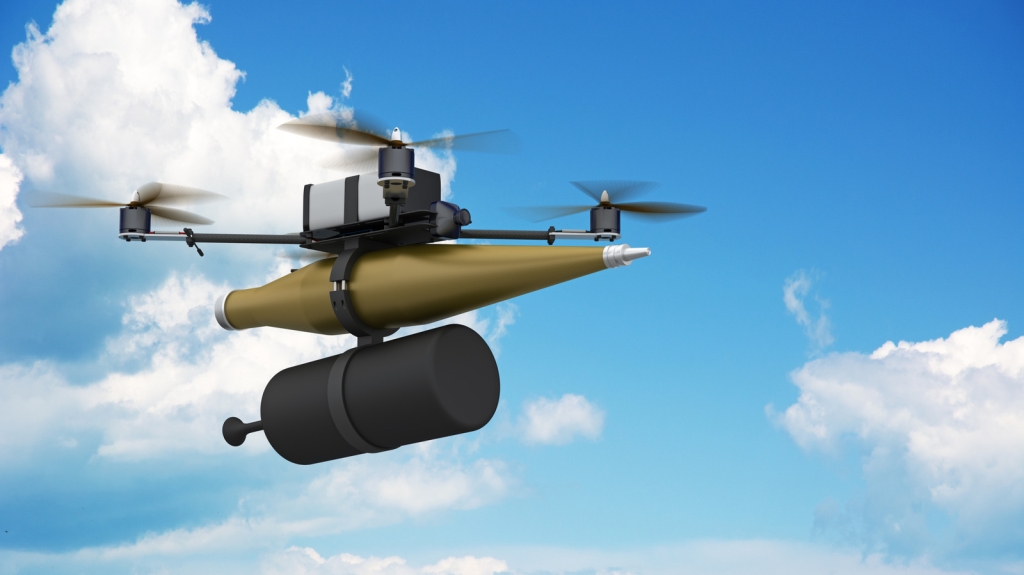
UK Launches Groundbreaking Program to Deploy 3D-Printed Drones on Battlefield
In a revolutionary leap for modern warfare, the United Kingdom has embarked on an ambitious initiative to bring 3D-printed drones directly to the battlefield, potentially transforming military logistics and combat capabilities forever.
Kenya Training Exercise Reveals Military Innovation
During Exercise Bull Storm, a massive training operation involving 1,200 British soldiers from 11 Brigade navigating the challenging terrain of Kenya, military leaders discovered a game-changing solution to a persistent problem. In remote combat environments where traditional supply chains become unreliable or impossible, maintaining drone operations has historically proven difficult and costly.
Major Steve Watts of 3rd Battalion revealed that his unit obtained “special purpose clearance from the Military Aviation Authority to build and fly our self-made drones during this training.” This marked what he believes was “the first time anyone in the [British] army has done this.”
The process proved remarkably efficient: each drone required approximately 3.5 hours to print, with an additional hour for assembly. Though only five experimental drones were produced during the exercise, the implications of this capability are profound.
Ukraine’s Pioneering Influence
The British initiative follows in the footsteps of Ukraine, which has become a global leader in 3D-printed military drone technology. Major Watts noted that Ukrainian forces have “adapted the process to its specific needs,” printing and building drones both on the front lines and in factories, designing them to precise specifications based on mission requirements.
This technological adaptation has become crucial for Ukraine as it faces significant disparities in military resources compared to Russia. The innovation extends to remarkable creations, including Ukraine’s functional flying shotgun drone, which has captured international attention and inspired military forces worldwide.
Cost-Effective Military Technology
The economic advantages of 3D-printed drones are substantial. According to The Defense Post, mass-produced versions of the drones used in testing would cost approximately $2,630 each, while the 3D-printed versions cost only about $525 per unit to field. This dramatic cost reduction, combined with the ability to produce drones on-demand in combat zones, represents a paradigm shift in military drone deployment.
Operational Flexibility and Strategic Advantage
Previously, British forces faced significant restrictions, being able to “build drones and race them inside the wire, under civilian aviation rules, or fly off-the-shelf platforms if the operators had the right qualifications and permissions.” The new 3D-printing capability eliminates these limitations, allowing forces to produce mission-specific drones tailored to immediate tactical needs.
The technology enables rapid prototyping and deployment, meaning commanders can request drones optimized for specific reconnaissance missions, payload deliveries, or combat roles, then have them produced within hours rather than waiting for supply chains to deliver pre-manufactured units.
Future Developments and Training Initiatives
The British military’s commitment to this technology continues to expand. The 1st Battalion Irish Guards, having gained valuable experience training with Ukrainian forces during Operation Interflex (an international program to train Ukrainian soldiers), has been utilizing a new British drone hub for operator training.
January 2026 marked a significant milestone when the hub produced its first complete drone shell, demonstrating the maturing capabilities of the program. This training initiative ensures that British forces can fully leverage the potential of 3D-printed drone technology while maintaining high standards of operational safety and effectiveness.
Implications for Modern Warfare
The adoption of 3D-printed drones represents more than just a technological upgrade—it fundamentally alters the dynamics of military operations. Forces can now maintain drone capabilities in austere environments, rapidly adapt to changing battlefield conditions, and significantly reduce logistical burdens associated with traditional drone deployment.
As Major Watts and other military leaders recognize, this technology could prove decisive in future conflicts, offering unprecedented flexibility and resilience in drone operations. The British program, inspired by Ukrainian innovation and refined through practical testing, may well set new standards for military drone deployment in the 21st century.
The convergence of additive manufacturing, military aviation, and combat logistics through this initiative demonstrates how quickly warfare is evolving, with 3D-printed drones potentially becoming as standard as rifles and ammunition in future military arsenals.
Tags: #3DPrintedDrones #MilitaryTechnology #UKArmedForces #FutureOfWarfare #DroneInnovation #MilitaryLogistics #CombatTechnology #UkrainianInspiration #ExerciseBullStorm #BambuLabs #MilitaryAviationAuthority #OperationInterflex #DefenseInnovation #BattlefieldTechnology #AdditiveManufacturing #MilitaryTraining #StrategicAdvantage #CostEffectiveDefense #CombatReadiness #TechnologicalEvolution
Viral Sentences: British army creates history with first battlefield 3D-printed drones; Ukraine’s drone innovation inspires global military revolution; $525 vs $2,630 – the cost-saving power of 3D printing in warfare; From Kenya training grounds to future battlefields – the drone printing revolution; Major Steve Watts leads UK into new era of military drone deployment; Exercise Bull Storm showcases game-changing military technology; 3D printers in camouflaged Land Rover bases – warfare meets innovation; British forces can now print mission-specific drones in hours; The end of traditional drone supply chains? UK military thinks so; Ukrainian ingenuity with flying shotgun drones changes global military thinking; January 2026 marks milestone in British drone manufacturing capability; Military Aviation Authority grants special clearance for revolutionary drone program; 1st Battalion Irish Guards trains with new drone hub technology; China’s Bambu Labs printers become unexpected heroes in British military innovation; Remote combat zones no longer limit drone capabilities thanks to 3D printing; The $2,100 per drone savings could fund entire military operations; Battlefield drone printing – the future of military logistics is here; UK follows Ukraine’s lead in 3D-printed military drone technology; From concept to combat in 3.5 hours – the speed of modern military innovation; Special purpose clearance opens doors to revolutionary military capabilities.
,


Leave a Reply
Want to join the discussion?Feel free to contribute!