
Osteoarthritis Is Appearing in Younger Adults, Triggering Decades of Discomfort : ScienceAlert
Young Adults Are Being Diagnosed With Osteoarthritis Earlier Than Ever — Here’s How We Can Spot the Risk Before It’s Too Late
New research is raising alarms about the increasing prevalence of osteoarthritis among younger, active adults — a condition once considered the domain of older generations. With more people in their 30s and 40s being diagnosed, experts are calling for a shift in how we detect, treat, and prevent the disease before irreversible damage sets in.
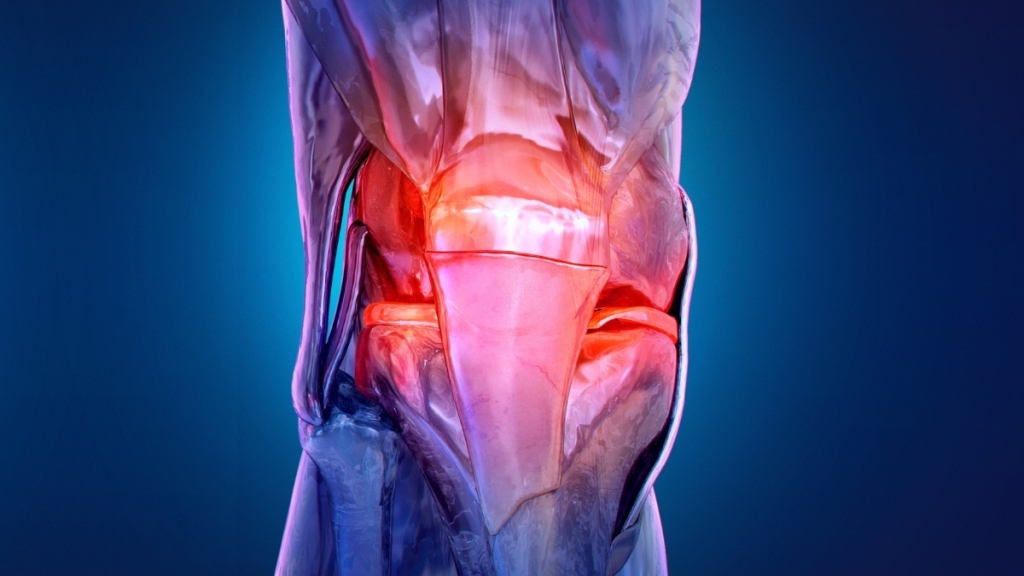
Osteoarthritis, a degenerative joint condition that affects over 600 million people globally, occurs when the protective cartilage cushioning the ends of bones wears down over time. Traditionally associated with aging, the condition is now being seen in marathon runners, professional athletes, and everyday fitness enthusiasts. High-profile cases like Robbie Williams, Tiger Woods, and Andy Murray have helped bring attention to the fact that no one is immune — not even the fittest among us.
For younger individuals, the impact can be especially severe. Unlike older adults who may have already transitioned out of physically demanding careers or caregiving roles, younger patients often find themselves grappling with chronic pain during their most active and productive years. The stiffness, swelling, and grinding sensations that characterize the disease can limit mobility, hinder career progression, strain personal relationships, and take a toll on mental health.
The risk factors are varied and sometimes surprising. While obesity, aging, and previous joint injuries are well-known contributors, metabolic disorders, chronic inflammation, and repetitive mechanical stress — common in certain sports or physically intensive jobs — are also playing a growing role. Even those who maintain a healthy weight and active lifestyle are not entirely shielded, as overuse and micro-trauma to joints can accumulate silently over time.
One of the most challenging aspects of osteoarthritis is its insidious onset. Symptoms often begin subtly: mild knee pain after a long run, stiffness that fades with movement, or occasional discomfort that seems to come and go. Many people dismiss these early signs, attributing them to normal wear and tear or simply “getting older.” By the time persistent pain forces a visit to the doctor, significant joint damage may have already occurred.
Current treatments focus on managing symptoms rather than reversing the disease. Exercise therapy, pain relief medications, and injections — such as platelet-rich plasma, platelet-derived vesicles, and hyaluronic acid — aim to reduce inflammation, improve joint lubrication, and temporarily ease discomfort. However, these interventions do not repair damaged cartilage, and their effectiveness varies from person to person. In advanced cases, total joint replacement may become the only viable option, a major procedure with its own risks and recovery challenges.
But what if osteoarthritis could be detected long before pain becomes a daily burden?
Emerging diagnostic technologies are offering new hope. Researchers are exploring ways to identify the disease at its earliest stages by analyzing subtle changes in the body’s chemistry. Every molecule in the body has a unique structure, and when examined using advanced spectroscopy techniques, it produces a distinctive “spectral fingerprint.” In people with osteoarthritis, these fingerprints show measurable differences in proteins, lipids, and other biomolecules linked to inflammation and tissue breakdown.
One promising method is attenuated total reflection Fourier-transform infrared spectroscopy (ATR-FTIR). While the name is complex, the concept is straightforward: a small blood sample is exposed to infrared light, and the way the light is absorbed reveals information about the types of molecules present. By comparing these patterns between healthy individuals and those with osteoarthritis, researchers can detect early chemical changes that may signal the onset of the disease.
These approaches are still in the research phase and not yet part of routine clinical practice. However, their potential is significant. Early detection could allow for timely interventions — targeted exercise programs, weight management strategies, injury prevention techniques, and personalized treatment plans — that could slow or even halt disease progression.
The implications extend beyond individual health. Early prevention and intervention could reduce the long-term burden on healthcare systems, decrease the need for invasive surgeries, and improve quality of life for millions. For younger adults, in particular, catching the disease early could mean preserving mobility, maintaining independence, and avoiding decades of chronic pain.
Osteoarthritis does not have to be an inevitable consequence of aging or activity. By shifting the focus from late-stage treatment to early detection and prevention, we have the opportunity to change the trajectory of the disease. As research continues to advance, the hope is that one day, a simple blood test could serve as an early warning system — empowering people to take control of their joint health before it’s too late.
Tags: Osteoarthritis, Joint Health, Early Detection, Young Adults, Arthritis, Sports Injuries, Cartilage Damage, Infrared Spectroscopy, Platelet-Rich Plasma, Hyaluronic Acid, Joint Replacement, Chronic Pain, Metabolic Disorders, Inflammation, Mobility, Healthcare Innovation
Viral Sentences:
- Osteoarthritis isn’t just for grandparents anymore — young athletes are getting hit hard.
- Your morning run could be silently wearing down your knees.
- Imagine catching arthritis before the pain even starts.
- Science is unlocking the secret chemical fingerprints of joint disease.
- Early detection could mean the difference between surgery and staying active.
- The future of arthritis treatment might be in your blood.
- Don’t ignore that knee twinge — it could be the first sign.
- Young, fit, and in pain? You’re not alone.
- Joint damage doesn’t wait — why should diagnosis?
- Prevention is the new cure for osteoarthritis.
,


Leave a Reply
Want to join the discussion?Feel free to contribute!