
RFK Jr. Says Americans Need More Protein. His Grok-Powered Food Website Disagrees
Mike Tyson’s 30-Second Super Bowl Ad Sparks Debate Over Protein Guidelines and AI Nutrition Advice
In a surprising twist during the Super Bowl, a 30-second commercial featuring boxing legend Mike Tyson has ignited a nationwide conversation about nutrition, government dietary guidelines, and the role of artificial intelligence in health advice. The ad, paid for by the nonprofit MAHA Center, urged viewers to avoid processed foods and visit Realfood.gov, a government website that has become the centerpiece of Health and Human Services Secretary Robert F. Kennedy Jr.’s controversial new dietary initiatives.
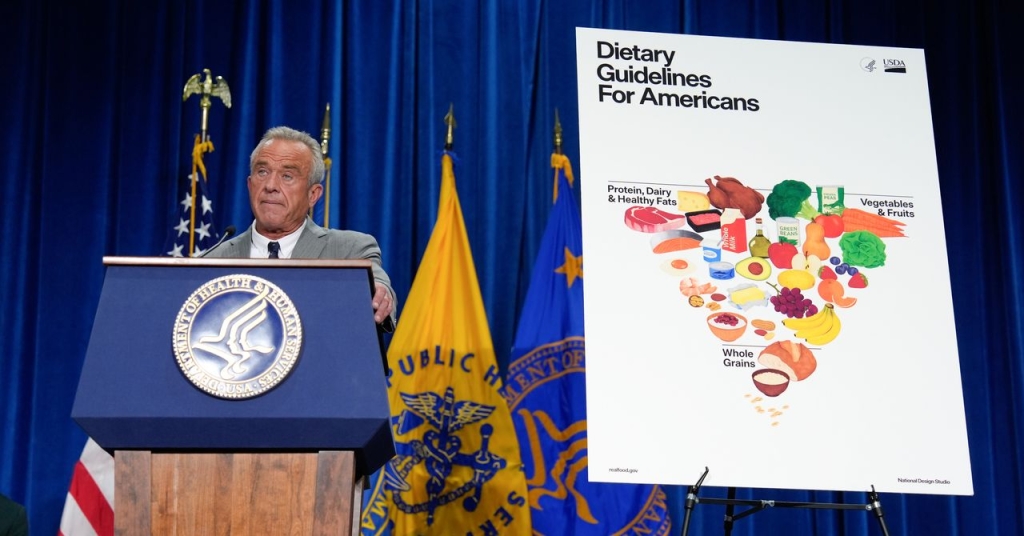
The timing couldn’t be more significant. Just months after the administration released its new dietary guidelines in January, which notably increased recommended protein intake to 1.2-1.6 grams per kilogram of body weight daily, the government is now encouraging Americans to consult Elon Musk’s AI chatbot Grok for “real answers about real food.”
The Protein Paradox: Government Guidelines vs. AI Recommendations
When I decided to test Grok’s nutritional advice against the administration’s own recommendations, I discovered a fascinating contradiction that reveals the complexity of modern nutrition science. The new guidelines, which prominently feature steak and other animal products in their inverted food pyramid, declare boldly on Realfood.gov: “We are ending the war on protein.”
However, the administration’s own scientific foundation document, linked directly on the website, reveals that Americans are already consuming approximately one gram of protein per kilogram of body weight daily—the midpoint of the Acceptable Macronutrient Distribution Range. This suggests that protein deficiency is already rare among the general population.
The discrepancy became even more apparent when I queried Grok about my personal protein needs. Initially, the AI recommended the traditional 0.8 grams per kilogram per day—the long-standing Recommended Daily Allowance developed by the National Institute of Medicine. Only after I specified that I engage in regular strength training did Grok’s recommendation align more closely with the administration’s new guidelines.
Expert Perspectives: Nuance Lost in Translation
Lindsay Malone, a clinical dietician at Case Western Reserve University, explains the potential confusion: “What I think the administration is trying to do is to target the metabolically unhealthy people who may need a little more protein to feel full and satisfied to build some muscle. But that nuance is lost with their single message.”
This sentiment is echoed by Michelle King Rimer, a clinical assistant professor of nutritional sciences at the University of Wisconsin-Milwaukee’s Zilber College of Public Health, who warns about the dangers of excess consumption: “Consuming excess protein can still be converted into fat, which can lead to weight gain. Eating too much of any macronutrient—protein, fats, or carbohydrates—can lead to weight gain.”
The Meat Industry Connection
The administration’s protein push appears to have strong ties to the meat industry. Last week, Secretary Kennedy spoke at the nation’s largest cattle trade show, declaring that “beef is back on the menu,” according to an HHS statement. This alignment with industry interests has raised eyebrows among nutrition experts who note that major health organizations like the American Heart Association continue to recommend plant-based proteins and fish over red meat for optimal health outcomes.
When I asked Grok which protein sources are healthiest, the chatbot’s response aligned more closely with mainstream health organizations than with the administration’s messaging. Grok recommended plant-based proteins, fish and seafood, lean poultry, and eggs while suggesting to limit red meat and processed meats—advice that contradicts the administration’s promotion of beef as a dietary cornerstone.
The AI Factor: Technology Meets Nutrition
The government’s decision to promote Grok as a nutritional advisor raises important questions about the role of artificial intelligence in public health. While AI can process vast amounts of nutritional data, the technology’s current limitations—including frequent unavailability due to high demand—highlight the challenges of relying on AI for personalized health advice.
The administration’s approach reflects a broader trend of incorporating technology into public health initiatives, but it also underscores the potential for mixed messages when government guidelines, industry interests, and AI recommendations don’t align perfectly.
Looking Forward: The Future of American Nutrition
As Americans grapple with these conflicting messages about protein consumption, the debate highlights a fundamental challenge in public health communication: how to provide clear, actionable advice when the science itself is nuanced and evolving. The administration’s bold stance on protein represents a significant shift from previous guidelines, but whether this change will lead to better health outcomes remains to be seen.
What’s clear is that the conversation around American nutrition has entered a new phase—one where boxing legends, government websites, AI chatbots, and meat industry interests all play a role in shaping how we think about what’s on our plates.
Tags and Viral Phrases:
Mike Tyson Super Bowl ad, RFK Jr nutrition guidelines, protein recommendations, Grok AI health advice, Realfood.gov controversy, American Heart Association protein advice, meat industry influence, government dietary guidelines, AI nutrition chatbot, protein deficiency myth, strength training protein needs, plant-based protein benefits, red meat health risks, nutrition science confusion, public health technology, inverted food pyramid, metabolically unhealthy Americans, excess protein weight gain, cattle trade show nutrition, AI health misinformation, government nutrition messaging, protein at every meal, beef is back on menu, nutritional sciences debate, dietary guidelines 2024, health organization recommendations, AI chatbot limitations, personalized nutrition advice, public health communication challenges, American nutrition future.
,


Leave a Reply
Want to join the discussion?Feel free to contribute!