
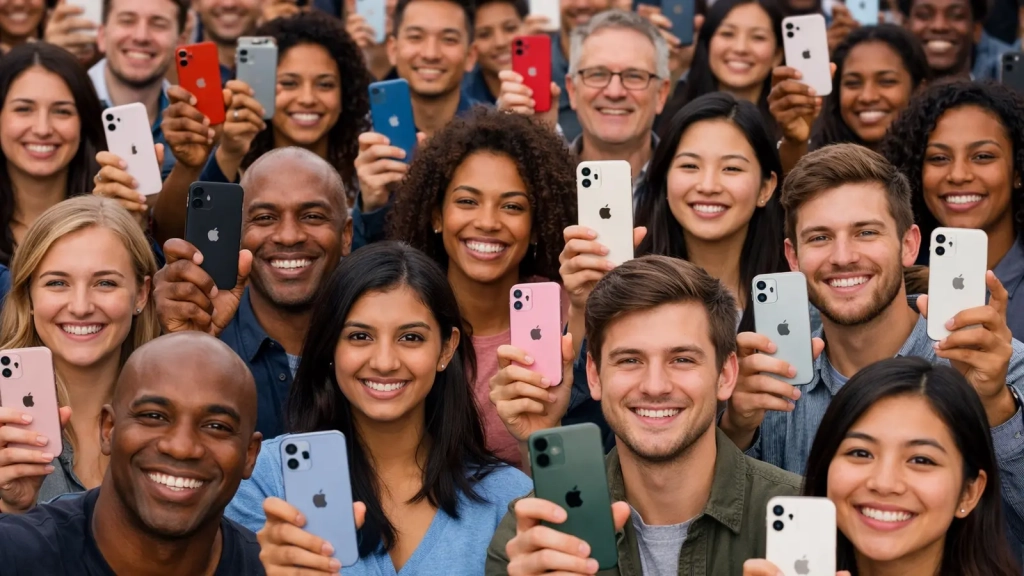
1 in 4 smartphones active worldwide is an iPhone
Apple’s iPhone Dominance: How the Tech Giant Built a Billion-Device Empire
Apple has achieved a monumental milestone in the tech world: with well over a billion iPhones currently in active use, the Cupertino giant now commands the largest smartphone installed base on the planet. According to new research, roughly one in four active smartphones worldwide is an iPhone—a staggering statistic that underscores Apple’s unparalleled influence in the mobile industry.
This isn’t just a fluke of popularity. Apple’s dominance is the result of a deliberate, long-term strategy that keeps older iPhones alive and well, ensuring they remain integral parts of the company’s vast ecosystem. By supporting legacy devices for years—sometimes for a decade or more—Apple has created a virtuous cycle: satisfied users stick with the brand, buy more Apple products, and keep spending within the company’s ecosystem.
The Secret Sauce: Why Apple Keeps Old iPhones Alive
At first glance, it might seem counterintuitive for a tech company to invest in supporting older devices. After all, the tech industry is often accused of pushing planned obsolescence, encouraging customers to upgrade to the latest models. But Apple has taken a different path—one that’s proving to be a masterstroke.
Every iPhone, no matter how old, remains a gateway to Apple’s lucrative services ecosystem. Even a five-year-old iPhone can generate revenue through the App Store, iCloud subscriptions, Apple Music, Apple TV+, and more. Older devices also contribute to Apple’s repair and accessory businesses. By ensuring that these devices remain fully functional and up-to-date, Apple keeps users locked into its ecosystem, encouraging them to buy more Apple products in the future.
This strategy is backed by concrete commitments: every iPhone buyer can expect at least five years of iOS updates—and sometimes much longer. Apple also guarantees at least five years of repairs through authorized service providers. This level of support is unmatched in the industry and has become a key differentiator for the brand.
“Apple leads the global active installed base, with about one in four active smartphones being an iPhone,” said Karn Chauhan, an analyst at Counterpoint Research. “This is driven by strong user loyalty, a deep iOS ecosystem, and tightly integrated services.”
The payoff is clear. In 2025 alone, Apple added more net new smartphone devices than the next seven leading OEMs combined. This highlights Apple’s ability to attract and retain users in a market that many thought had matured.
Apple’s Billion-Device Milestone: A New Era of Tech Dominance
Crossing the one-billion active devices threshold is more than just a number—it’s a testament to Apple’s ability to build products that last and ecosystems that keep users engaged for years. Only Samsung has managed to reach this milestone, and even then, Apple’s lead is substantial.
“Apple and Samsung are the only two companies that have surpassed the one-billion active devices milestone,” said Tarun Pathak, a research director at Counterpoint. “This shows their ability to keep users engaged over time.”
Samsung, Apple’s closest competitor, holds about one-fifth of the global active installed base. Its success is built on a broad portfolio that spans entry-level to premium segments, as well as extensive geographic reach. However, Apple’s laser focus on the premium segment, combined with its unmatched software support and ecosystem integration, gives it a decisive edge.
Other players like Xiaomi, Oppo, and Vivo trail far behind, each holding single-digit percentages of the global installed base. While these companies compete fiercely in emerging markets, none have managed to replicate Apple’s combination of hardware longevity, software support, and ecosystem lock-in.
The Business Case: How Supporting Old iPhones Pays Off
From a business perspective, Apple’s strategy is brilliant. By keeping older iPhones functional and up-to-date, the company ensures a steady stream of recurring revenue from services. iCloud storage, Apple Music subscriptions, App Store purchases, and AppleCare plans all contribute to the bottom line—often for years after the initial device sale.
This approach also strengthens Apple’s brand reputation. Customers know that when they buy an iPhone, they’re investing in a device that will remain relevant and secure for years to come. This trust translates into higher customer satisfaction, stronger brand loyalty, and, ultimately, more sales.
Moreover, Apple’s commitment to longevity has environmental benefits. By extending the life of its devices, the company reduces electronic waste and appeals to environmentally conscious consumers. In an era where sustainability is increasingly important, this is a significant advantage.
The Road Ahead: Can Anyone Catch Apple?
As Apple continues to dominate the smartphone market, the question arises: can anyone catch up? Samsung remains the only serious challenger, but even its vast resources and global reach haven’t been enough to dethrone Apple.
For other manufacturers, the challenge is twofold. First, they need to match Apple’s hardware and software integration—a feat that requires deep pockets and long-term commitment. Second, they need to build ecosystems that are as compelling and sticky as Apple’s. So far, no one has managed to do both.
Looking ahead, Apple’s installed base is likely to keep growing. With each new iPhone release, the company attracts new users while retaining existing ones. The introduction of new services, such as Apple’s rumored mixed-reality headset and continued expansion of Apple Fitness+ and Apple TV+, will only strengthen the ecosystem’s appeal.
Conclusion: Apple’s Winning Formula
Apple’s dominance in the smartphone market is no accident. It’s the result of a carefully crafted strategy that prioritizes user satisfaction, ecosystem integration, and long-term support. By keeping older iPhones alive and well, Apple has built a loyal customer base that continues to fuel its growth.
As the tech industry evolves, Apple’s approach offers valuable lessons for other companies. In a world where consumers are increasingly looking for value, longevity, and seamless experiences, Apple’s formula—hardware that lasts, software that keeps getting better, and an ecosystem that keeps users coming back—is a winning one.
For now, Apple stands alone at the top, with a billion-device empire that shows no signs of slowing down. Whether you’re an Apple fan or a competitor, one thing is clear: the iPhone’s reign is far from over.
Tags & Viral Phrases:
- Apple dominates with over 1 billion active iPhones
- One in four smartphones worldwide is an iPhone
- Apple’s secret to success: supporting older iPhones
- How Apple keeps users locked into its ecosystem
- iPhone longevity: 5+ years of updates and repairs
- Apple vs Samsung: The billion-device battle
- Why Apple’s strategy beats planned obsolescence
- The business genius behind Apple’s long-term support
- Apple’s ecosystem: The ultimate user retention tool
- Can anyone catch up to Apple’s installed base?
- Apple’s environmental edge: Reducing e-waste with long-lasting devices
- The future of smartphones: Apple’s winning formula
- Apple’s services revenue: The hidden goldmine
- How Apple turned the iPhone into a decade-long investment
- The iPhone’s reign: No end in sight
- Apple’s brand loyalty: Built to last
- The tech giant that refuses to let old iPhones die
- Apple’s ecosystem: More valuable than ever
- The billion-device milestone: What it means for Apple’s future
,


Leave a Reply
Want to join the discussion?Feel free to contribute!