
TikTok Refuses to Confirm or Deny That It’s Providing User Data to ICE
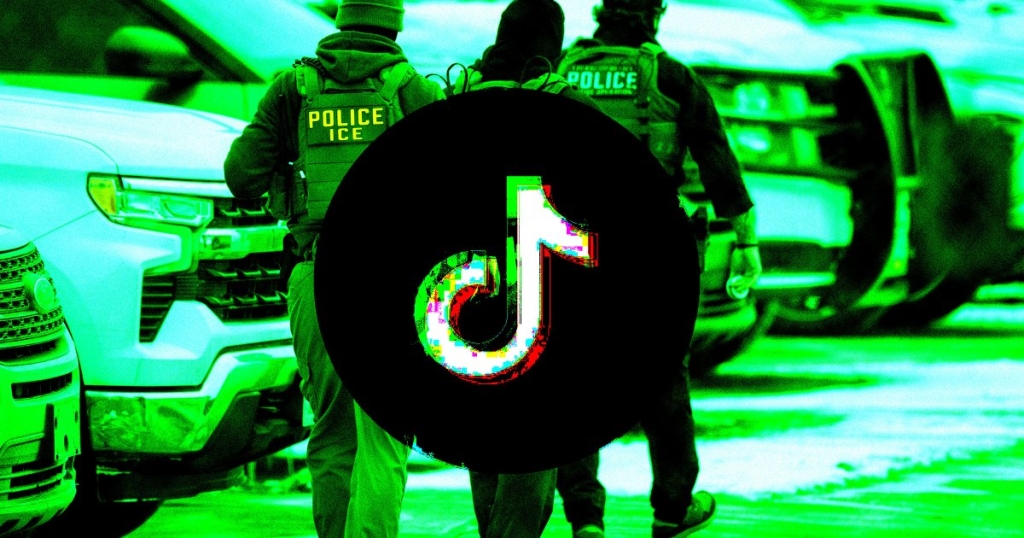
TikTok’s New Privacy Policy Sparks Fears of ICE Surveillance as Users Delete App in Droves
In a dramatic turn of events that has sent shockwaves through the digital landscape, TikTok’s recent privacy policy update has ignited a firestorm of controversy and concern among its 170 million American users. The popular social video platform, which narrowly avoided a nationwide ban through a controversial deal with Oracle and other investors, has now implemented changes that many privacy advocates and users are calling a “privacy nightmare” with potentially dangerous real-world consequences.
The Divestment Deal That Changed Everything
Last month, TikTok’s Chinese parent company ByteDance finalized a landmark agreement with American tech giant Oracle and other investors to satisfy a bipartisan congressional mandate. The legislation, signed into law with overwhelming support, demanded that ByteDance either sell its controlling stake in TikTok’s U.S. operations or face an outright ban from American app stores and internet service providers.
The deal was hailed by some as a diplomatic solution that would preserve Americans’ access to the addictive short-form video platform while addressing national security concerns about potential Chinese government influence over user data. However, critics immediately warned that the agreement might create new vulnerabilities rather than solving existing ones.
Technical Issues or Censorship? The Minneapolis Incident
The controversy erupted in earnest following a series of events that began with what TikTok initially described as a “data center power outage.” During this period, users reported that content related to Immigration and Customs Enforcement (ICE) activities in Minneapolis had mysteriously disappeared from the platform. Videos documenting ICE raids, protests, and community responses to immigration enforcement actions were allegedly removed or made difficult to find through standard search functions.
Adding fuel to the fire, users also claimed that searches for terms related to Jeffrey Epstein—the convicted sex offender whose death in federal custody sparked numerous conspiracy theories—were being restricted or suppressed. While TikTok vehemently denied these allegations, pointing to the technical difficulties as the cause of the content disruptions, the timing could not have been worse for a platform already under intense scrutiny.
The Privacy Policy Update That Changed Everything
As users grappled with questions about content moderation and potential censorship, TikTok quietly implemented a significant update to its privacy policy. The changes, which took effect during the same period as the alleged content removals, expanded the company’s ability to collect detailed user data, including precise GPS location information.
This seemingly innocuous technical update has sparked a cascade of concerns about the potential for government surveillance and abuse. Privacy advocates and civil rights organizations have sounded the alarm, warning that the combination of TikTok’s massive user base, detailed location data, and close ties to American tech infrastructure could create a powerful surveillance tool in the hands of immigration authorities.
The Oracle Connection: Trump Ally Larry Ellison’s Vision
The concerns are particularly acute given the involvement of Oracle, a company with deep ties to the Trump administration. Oracle co-founder Larry Ellison, one of the world’s richest individuals and a vocal supporter of President Trump, has publicly expressed enthusiasm for the potential of artificial intelligence and mass surveillance technologies to shape social behavior.
In remarks that have circulated widely on social media, Ellison suggested that AI-powered surveillance could create a society where “citizens are on their best behavior” due to constant monitoring. This vision of a surveillance state, combined with Oracle’s role in hosting and managing TikTok’s U.S. user data, has intensified fears about the platform’s potential misuse.
ICE’s Existing Surveillance Infrastructure
The concerns are not merely theoretical. Immigration and Customs Enforcement already utilizes sophisticated surveillance technologies to track and apprehend individuals suspected of immigration violations. The agency employs an app called ELITE, developed by intelligence contractor Palantir, which helps agents identify neighborhoods for targeted raids based on various data points and predictive analytics.
According to reporting by 404 Media, ELITE has become an essential tool in ICE’s enforcement operations, allowing agents to conduct more efficient and targeted operations. The app integrates data from multiple sources to create detailed profiles and risk assessments of individuals and communities.
The Data Broker Pipeline: How TikTok Information Could Reach ICE
Privacy experts warn that TikTok’s location data could easily flow through a complex ecosystem of data brokers and third-party companies before reaching government agencies. Mobile Advertising IDs, which broadcast users’ precise GPS coordinates, are routinely collected by apps and sold to data brokerages that aggregate and package this information for various clients.
The New Republic’s Logan McMillen outlined a chilling scenario in which TikTok’s location data serves as the “last missing piece” that ICE needs to execute raids with unprecedented precision. By combining TikTok’s location information with existing government databases and surveillance tools, immigration authorities could potentially identify not just individuals but entire networks of people for targeted enforcement actions.
Probabilistic Policing and the “Domestic Terrorist” Designation
Perhaps even more concerning is the potential for ICE to use TikTok data to build what experts call “probabilistic confidence scores” for individuals. This approach, which relies on algorithms and pattern recognition rather than concrete evidence, could lead to the designation of protesters, legal observers, and community activists as “domestic terrorists” or other high-risk categories.
Recent reporting by the Boston Globe has documented instances where ICE has already begun using such designations to justify aggressive enforcement actions against individuals participating in immigration rights demonstrations. The combination of TikTok’s location data with these existing practices could create a powerful tool for suppressing dissent and targeting vulnerable communities.
The Irony of American Surveillance
The situation has been described as “highly ironic” by many observers, given that the original motivation for forcing ByteDance to divest TikTok was concern about Chinese government surveillance and data collection. Now, critics argue, American users may face even more invasive monitoring through the very measures designed to protect them from foreign interference.
This irony has not been lost on TikTok’s user base, many of whom participated in viral campaigns warning others about the potential dangers of the platform’s new privacy policies. The hashtag #DeleteTikTok has trended multiple times as users debate whether the entertainment value of the app is worth the potential privacy risks.
TikTok’s Silence Fuels Speculation
When directly questioned about whether U.S. immigration authorities were accessing user data, TikTok declined to provide a clear answer. The company neither confirmed nor denied that ICE or other government agencies were utilizing TikTok data for surveillance purposes. This non-response has only intensified speculation and concern among users and privacy advocates.
Similarly, ICE did not respond to requests for comment about whether the agency was accessing TikTok data or planning to use the platform’s information for enforcement purposes. The lack of transparency from both parties has created a vacuum filled by rumors, speculation, and growing distrust.
The Exodus Begins
The controversy has sparked what many are calling a mass exodus from the platform. Social media posts and comments across various platforms show users announcing their decision to delete TikTok, with some describing it as a necessary sacrifice for personal privacy and safety.
One Reddit user captured the sentiment of many when they wrote: “Yeah, everyone just go ahead and delete TikTok now if you haven’t already.” This comment, which received thousands of upvotes and comments, reflects a growing awareness among users about the potential consequences of their digital footprints.
The Broader Implications for Digital Privacy
The TikTok controversy extends far beyond a single social media platform. It raises fundamental questions about digital privacy, government surveillance, corporate responsibility, and the balance between national security and individual rights in the digital age.
Privacy advocates argue that the situation demonstrates the need for comprehensive federal privacy legislation that would regulate how companies collect, use, and share personal data. Currently, the United States lacks a comprehensive federal privacy law, leaving users vulnerable to data collection practices that may be illegal in other countries.
The Future of Social Media in America
As the debate continues, the future of TikTok in America remains uncertain. While the current deal appears to have satisfied immediate legislative concerns, the ongoing privacy controversies suggest that the platform’s challenges are far from over.
The situation has also sparked broader discussions about the role of social media in American society and the responsibilities of tech companies to protect user privacy. As more users become aware of the potential risks associated with their digital activities, the pressure on companies to implement stronger privacy protections is likely to increase.
Tags and Viral Phrases:
DeleteTikTok #TikTokBan #PrivacyNightmare #ICESurveillance #OracleTikTok #DataPrivacy #MassSurveillance #TrumpTikTok #SocialMediaExodus #DigitalPrivacy #LocationTracking #DataBrokers #ProbabilisticPolicing #DomesticTerrorist #ImmigrationRaids #ByteDance #LarryEllison #Palantir #ELITEapp #MinneapolisICE #EpsteinSearch #TikTokCensorship #ChineseSpyApp #AmericanSurveillance #SocialMediaPrivacy #TechControversy #ViralPrivacy #DigitalRights #SurveillanceState #PrivacyParadox #DataCollection #GPSTracking #MobileAdvertisingID #ICEapp #TrumpEraTech #SocialMediaDrama #PrivacyConcerns #TechNews #ViralTrend #DigitalSafety #OnlinePrivacy #SocialMediaScandal #PrivacyDebate #TechEthics #DataSecurity #SocialMediaWatch #PrivacyAwareness #DigitalFreedom #SurveillanceTechnology #PrivacyMatters #TechBacklash #SocialMediaFuture
,


Leave a Reply
Want to join the discussion?Feel free to contribute!