
41 US States Are Getting Warmer, Just Not Where You’d Expect
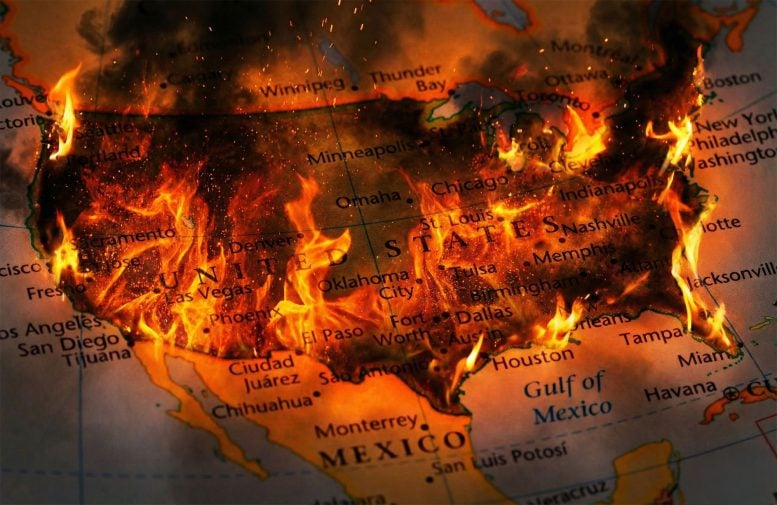
41 U.S. States Are Getting Warmer, Just Not Where You’d Expect
Climate change is no longer a distant threat—it’s a present reality reshaping the way Americans experience the seasons, the outdoors, and even their daily routines. While the idea of a warming planet often conjures images of relentless heat waves and melting ice caps, a new analysis reveals a more complex and nuanced picture: warming in the United States is not uniform, and in many states, the changes are happening in unexpected places and seasons.
A groundbreaking study published in the open-access journal PLOS Climate, led by María Dolores Gadea and her team, takes a deep dive into temperature extremes across the country. Their findings challenge the common perception that climate change simply means “hotter everywhere.” Instead, the research shows that 41 out of 50 U.S. states are experiencing warming, but the patterns vary widely—sometimes in surprising ways.
For example, while summer heat is intensifying in many regions, some states are actually seeing their winters warm faster than their summers. In the Northeast, nighttime temperatures are climbing more rapidly than daytime highs, affecting everything from agriculture to energy use. Meanwhile, in parts of the West, spring is arriving earlier, disrupting ecosystems and water supplies that depend on predictable snowmelt patterns.
The study’s authors used decades of temperature data to map these changes, highlighting that the impacts of climate change are not just about rising averages but also about shifting extremes. Heat waves are becoming more frequent and intense, but so are unseasonable cold snaps in some areas. This variability makes it harder for communities to adapt, as traditional coping strategies may no longer apply.
What does this mean for everyday Americans? For one, it underscores the importance of localized climate planning. A farmer in Iowa may need to prepare for earlier planting seasons, while a city planner in Arizona might focus on mitigating extreme nighttime heat. Utilities may have to adjust energy forecasts as heating and cooling demands shift. Even outdoor enthusiasts and wildlife managers will need to adapt to changing seasonal cues.
The research also serves as a wake-up call for policymakers. As the authors note, understanding where and how warming is happening is crucial for effective climate resilience. “One-size-fits-all” solutions simply won’t work when the climate crisis manifests so differently across the country.
In the face of these findings, the message is clear: climate change is here, and it’s not just about getting hotter—it’s about getting unpredictable. The sooner communities, businesses, and governments recognize and plan for these nuanced shifts, the better prepared the nation will be for the challenges ahead.
Tags, viral words, and phrases:
41 US states warming, climate change not uniform, temperature extremes USA, warming patterns, unexpected climate shifts, localized climate planning, shifting seasons, earlier springs, intense heat waves, unseasonable cold snaps, nighttime temperatures rising, climate resilience, unpredictable climate, adapting to climate change, climate data analysis, María Dolores Gadea, PLOS Climate study, climate crisis, warming winters faster than summers, disrupted ecosystems, water supply challenges, agriculture adaptation, energy demand shifts, outdoor enthusiasts affected, wildlife managers, climate preparedness, nuanced climate impacts, climate variability, future climate challenges, climate action now, climate resilience strategies, climate change reality, shifting climate patterns, extreme weather USA, climate change adaptation, climate policy, climate science, global warming effects, climate awareness, climate education, climate solutions, climate innovation, climate advocacy, climate justice, climate emergency, climate optimism, climate hope, climate action movement.
,


Leave a Reply
Want to join the discussion?Feel free to contribute!