
Old EV batteries could meet most of China’s energy storage needs
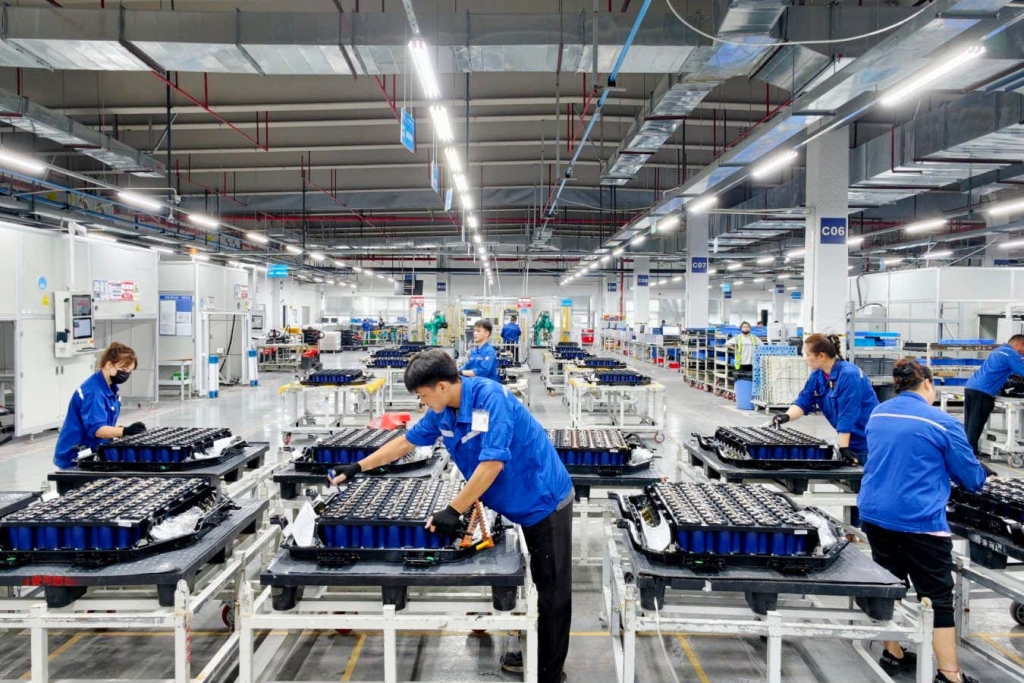
Second-Life EV Batteries Could Revolutionize China’s Clean Energy Grid
In a groundbreaking development that could reshape the future of renewable energy storage, researchers have discovered that used electric vehicle batteries could meet two-thirds of China’s grid storage needs by 2050, potentially accelerating the nation’s transition to a carbon-neutral power system.
The Hidden Potential in “Retired” Batteries
As electric vehicles continue their meteoric rise in popularity—with over 17 million EVs purchased globally in 2024 alone, representing 20% of all car sales—an unexpected challenge has emerged: what to do with batteries that have lost some of their capacity but still retain significant energy storage potential.
“These batteries aren’t dead; they’re just retired from the demanding requirements of automotive use,” explains Dr. Ruifei Ma from Tsinghua University, lead researcher on the study. “When an EV battery reaches about 80% of its original capacity, it’s typically removed from vehicles because drivers notice reduced range and acceleration. But that remaining 80% capacity is perfectly suited for stationary grid storage applications.”
A Game-Changer for Renewable Energy Integration
The intermittent nature of renewable energy sources like solar and wind has long been the Achilles’ heel of clean energy adoption. Solar panels generate electricity during sunny days, and wind turbines produce power when the breeze blows—but what happens during peak demand in the evenings or during calm, cloudy periods?
Traditionally, fossil fuel power plants have filled this gap, but second-life EV batteries offer a compelling alternative. These repurposed batteries can charge when renewable energy is abundant and discharge when demand peaks, effectively acting as massive energy reservoirs that smooth out the fluctuations in renewable generation.
The Economic and Environmental Double-Whammy
The economic implications are staggering. According to the research, utilizing second-life batteries for grid storage could reduce costs by 2.5% compared to building new battery systems from scratch. But the environmental benefits are even more significant.
“We shouldn’t be throwing away these materials that cost a lot of money to mine and process,” says Dr. Rhodri Jervis from University College London. “When we’ve got 80% usable capacity left in the cells, it makes both economic and environmental sense to extend their useful life.”
The sustainability angle is particularly compelling. Manufacturing new batteries requires extensive mining of lithium, cobalt, and other rare materials, processes that carry significant environmental costs. By extending the life of existing batteries, we reduce the need for new mining operations and decrease the overall carbon footprint of energy storage systems.
Technical Challenges and Safety Considerations
However, the path to widespread adoption isn’t without obstacles. Used batteries require careful screening and sorting to ensure they’re suitable for second-life applications. Batteries with different chemistries and degradation levels must be grouped together or managed individually to prevent the entire system from being limited by the weakest battery.
Safety is paramount. Each battery contains hundreds of individual cells that must be monitored for temperature and voltage. A single overheating cell can trigger thermal runaway, leading to fires that are notoriously difficult to extinguish.
“Clearly the risks are higher, so you need to mitigate those with your safety and isolation and balancing and all the rest of it being more robust,” notes Gill Lacey from Teesside University.
Real-World Implementation Already Underway
Despite these challenges, the technology is already moving from theory to practice. Redwood Materials, a US startup, has built a 63-megawatt-hour project using decade-old car batteries for a data center in Nevada. The company claims its systems cost less than $150 per kilowatt-hour and can deliver power for over 24 hours—far longer than new lithium-ion batteries can realistically offer.
The Scale of the Opportunity
The research presents two scenarios for China’s energy future. In the first, where second-life batteries are utilized across all of China and deployed until they reach 40% of their original capacity, grid storage capacity could reach an astonishing 2 trillion watts by 2050. In contrast, a scenario relying solely on new batteries and pumped hydro would only achieve about half that capacity.
This massive scale is achievable because of China’s dominant position in the EV market. With almost two-thirds of all EVs sold in 2024 being purchased in China, the country will have an abundant supply of used batteries becoming available in the coming decades.
The Path Forward
The study suggests that second-life battery storage will start growing rapidly after 2030 as more EVs come off the road, while new battery deployment will plateau. This creates a unique opportunity to build a more sustainable, cost-effective energy storage infrastructure while addressing the growing challenge of EV battery disposal.
As the world races toward net-zero emissions, second-life EV batteries represent a rare win-win solution: reducing waste, cutting costs, and accelerating the transition to renewable energy. The technology that’s helping us drive cleaner today could be the key to powering our grid sustainably tomorrow.
Tags: #EVBatteries #RenewableEnergy #GridStorage #SustainableTech #CleanEnergy #SecondLifeBatteries #ChinaEnergy #EVRevolution #BatteryRecycling #GreenTechnology #EnergyInnovation #CarbonNeutral #SustainableFuture #TechForGood #EnergyTransition
Viral Sentences:
- “Your old EV battery could power millions of homes tomorrow”
- “The battery in your first electric car isn’t dead—it’s just getting started”
- “China’s EV boom could be the key to solving renewable energy’s biggest problem”
- “Why throwing away 80% functional batteries is the biggest waste in tech”
- “The hidden billion-dollar opportunity in used electric car batteries”
- “From road to grid: How EV batteries are getting a second life”
- “The sustainability hack that could save the planet and your wallet”
- “Why your next home battery might come from a dismantled Tesla”
- “The circular economy solution hiding in your garage”
- “How China is turning EV waste into renewable energy gold”
,


Leave a Reply
Want to join the discussion?Feel free to contribute!