
Siri testing isn't going well, new features probably won't ship in iOS 26.4
Apple’s AI Ambitions Hit Another Speed Bump: Siri’s Big Brain Upgrade May Not Arrive Until iOS 26.5 or 27
In what has become a familiar refrain for Apple watchers, the company’s ambitious push into artificial intelligence is reportedly facing fresh delays—this time with Siri’s much-hyped personal data access capabilities potentially slipping all the way to iOS 26.5 or even iOS 27. The news comes as a sobering reminder that even Apple, with its legendary secrecy and polished product launches, isn’t immune to the complexities of next-generation AI development.
The Promise vs. The Reality
When Apple unveiled its Apple Intelligence initiative at WWDC 2024, the tech world collectively held its breath. Here was Apple, the master of user experience, finally throwing its hat into the AI ring with promises of a Siri that could actually understand context, remember your preferences, and—most tantalizingly—access your personal data across apps to provide genuinely helpful assistance.
The vision was compelling: imagine asking Siri to “find that document John sent me last week about the Q3 projections” and having it actually work. Or telling Siri to “schedule a dinner reservation near my hotel in Chicago next Thursday at 7pm” and watching it seamlessly coordinate across your calendar, contacts, Maps, and OpenTable.
But reality, as it often does, has proven more stubborn than the keynote presentations suggested.
Internal Testing Woes
According to sources familiar with Apple’s development process (speaking to Bloomberg), internal testing of the enhanced Siri features hasn’t been going particularly well. The specific pain point appears to be Siri’s ability to access and intelligently process personal data—the cornerstone feature that was supposed to differentiate Apple’s AI from competitors.
This isn’t entirely surprising. Building an AI assistant that can safely and accurately navigate a user’s personal data trove while maintaining Apple’s famously stringent privacy standards is, to put it mildly, a monumental technical challenge. It requires not just advanced language models, but sophisticated security protocols, contextual understanding, and—perhaps most difficult of all—consistent reliability.
The Delay Domino Effect
The current reported delays represent more than just a minor setback. They’re part of a pattern that’s emerged since Apple first announced Apple Intelligence. The company has already had to reassess and pause several promised features, pushing them to subsequent software updates in the hopes of achieving the reliability standards Apple demands.
What makes this particularly noteworthy is the scale of the potential delay. Moving features from iOS 26.4 to iOS 26.5 or 27 isn’t just a matter of weeks or months—we’re talking about a delay of potentially a year or more. For a company that typically prides itself on delivering on its promises (even if sometimes belatedly), this represents a significant strategic challenge.
Why This Matters More Than You Think
The stakes here extend far beyond Siri’s ability to find your emails. Apple is in an AI arms race, and the company’s approach has always been fundamentally different from its competitors. While Google and OpenAI have pursued aggressive, fast-moving AI strategies, Apple has taken a more measured approach, emphasizing privacy, on-device processing, and seamless integration with its ecosystem.
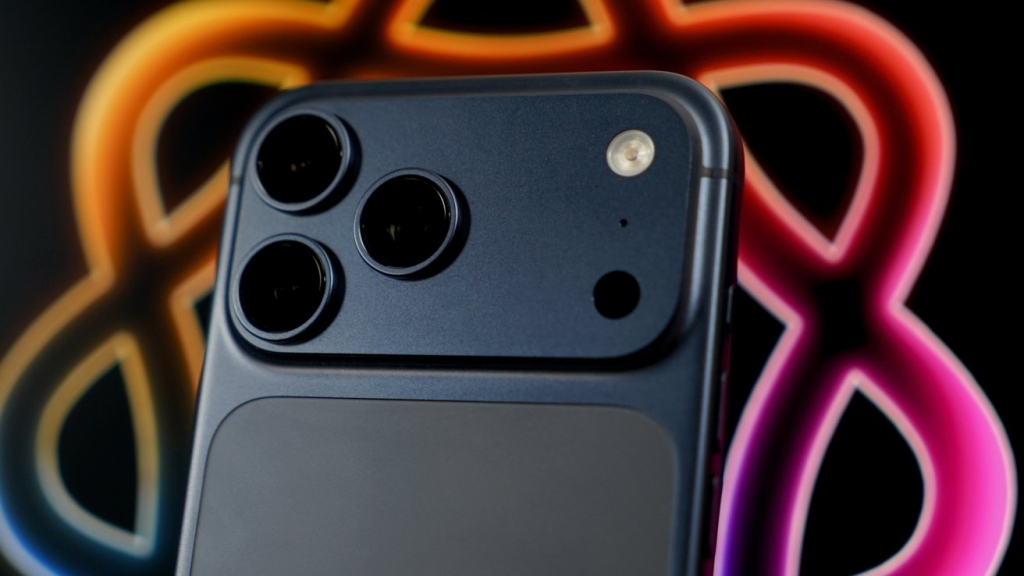
The problem? Apple’s iPhone 17 Pro and Pro Max are already being positioned as AI powerhouses, with advanced neural engines and processing capabilities designed specifically for these kinds of intelligent features. Having cutting-edge hardware waiting on software that isn’t ready creates an awkward disconnect that could impact consumer perception and, ultimately, sales.
The Privacy Paradox
One of the most fascinating aspects of this situation is the privacy paradox Apple faces. The company has built its brand on privacy protection, making it a core selling point in an era of data breaches and surveillance capitalism. But the very features that would make Siri genuinely useful—accessing your emails, messages, calendar, photos, and documents—require exactly the kind of data access that privacy advocates typically warn against.
Apple’s solution involves sophisticated on-device processing and what the company calls “Private Cloud Compute,” but implementing these systems at scale while maintaining both utility and privacy is proving to be an extraordinarily complex engineering challenge.
Market Implications
The delay in Siri’s personal data capabilities couldn’t come at a worse time for Apple. The smartphone market is showing signs of saturation, and AI features are increasingly becoming a key differentiator for consumers considering upgrades. Competitors like Google, with its Gemini assistant, and Samsung, with its Galaxy AI, are already shipping devices with impressive AI capabilities.
While Apple’s integrated hardware-software approach typically allows it to deliver superior user experiences once features are ready, the perception gap matters. Consumers seeing AI features on competitor devices while waiting for Apple’s versions could impact purchasing decisions, particularly in the crucial holiday quarter when many upgrade their phones.
What Apple Gets Right (Even in Delays)
It’s worth noting that Apple’s willingness to delay features rather than ship half-baked implementations aligns with the company’s long-term philosophy. While this approach can frustrate users and investors in the short term, it often results in more polished, reliable products that better serve users over time.
The company’s decision to reassess and pause features from the original Apple Intelligence roadmap suggests a commitment to quality over speed—a philosophy that has served Apple well throughout its history, even if it occasionally means missing self-imposed deadlines.
The Bigger Picture
These delays also highlight a broader truth about the current state of AI development: even the most resource-rich companies with access to the best talent are struggling to deliver on the grand promises of artificial intelligence. The gap between demonstration videos and real-world, reliable functionality remains significant.
For Apple, which operates in a high-visibility, consumer-focused environment where bugs and failures are mercilessly scrutinized, the bar for shipping AI features is even higher than for competitors who can afford more iterative, beta-style releases.
Looking Ahead
If the reported delays to iOS 26.5 or 27 prove accurate, Apple faces some strategic decisions. Will it continue to position its devices as AI-ready while the software catches up? Will it adjust its marketing to manage expectations? Or will it find ways to deliver compelling AI experiences through other means while the more complex features continue development?
One thing seems certain: Apple’s AI journey will continue to be a story of ambitious promises, technical challenges, and the eternal tension between innovation speed and product quality. For a company that has built its reputation on delivering “it just works” experiences, getting AI right—even if it takes longer than expected—remains the only acceptable outcome.
The next chapter in this saga will likely unfold at Apple’s next major software preview event, where the company will need to balance transparency about delays with maintaining excitement for its AI vision. How Apple navigates this challenge could prove as important as the technical achievements themselves.
tags #Apple #AI #Siri #AppleIntelligence #iOS #WWDC #iPhone #ArtificialIntelligence #TechNews #Delays #Bloomberg #Privacy #MachineLearning #NeuralEngine #SoftwareUpdate #iOS26 #iOS27 #PersonalData #VoiceAssistant #TechIndustry
viral #breakingnews #techdelay #AIrace #AppleEcosystem #SiriUpgrade #FutureOfAI #Innovation #TechDrama #SiliconValley #GadgetNews #DigitalAssistant #SmartPhoneAI #AppleWatch #MacBook #iPad #TechRumors #IndustryInsider #SoftwareDevelopment #UserExperience
artificialintelligence #machinelearning #deeplearning #neuralnetworks #bigdata #datascience #automation #robotics #techinnovation #futuretech #digitaltransformation #smarttechnology #intelligentcomputing #cognitivecomputing #predictiveanalytics #naturalLanguageProcessing #computerVision #autonomoussystems #edgecomputing #quantumcomputing
,


Leave a Reply
Want to join the discussion?Feel free to contribute!