
Ancient Romans Really Did Use Poop as Medicine. We Just Got The First Real Proof. : ScienceAlert
In a discovery that’s both shocking and oddly fascinating, archaeologists have uncovered the first chemical evidence of human feces being used as medicine in ancient Rome. This groundbreaking find, published in the Journal of Archaeological Science: Reports, sheds new light on the bizarre yet surprisingly sophisticated medical practices of the Roman Empire.
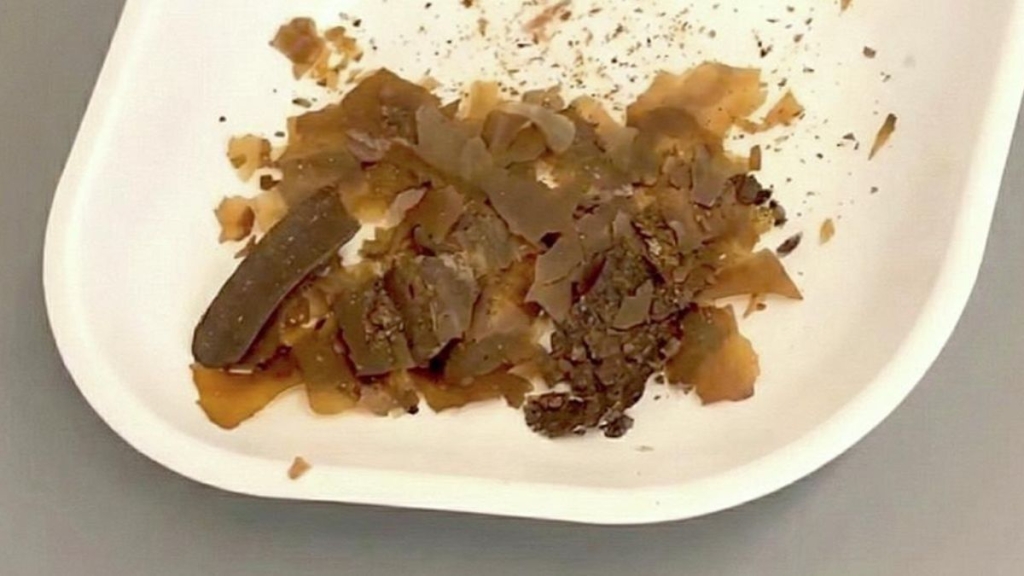
The artifact in question is a delicate glass unguentarium, a type of vessel typically used for perfumes or cosmetics, dating back to the 2nd century CE. When researchers from Sivas Cumhuriyet University in Türkiye analyzed the residue inside, they were stunned to find markers indicating the presence of human feces, along with traces of thyme, likely added to mask the pungent odor.
This discovery confirms what ancient texts have long suggested: Romans, including renowned physicians like Hippocrates, Pliny the Elder, and Galen of Pergamon, were no strangers to using poop as medicine. In fact, excrement—often from animals but sometimes from humans—was recommended for a wide range of ailments, from inflammation and infections to reproductive disorders. Galen, in particular, referenced fecal medicines at least two dozen times in his writings, even suggesting the use of children’s feces under specific dietary conditions.
But why would anyone use poop as medicine? The answer lies in the ancient understanding of the body and its connection to nature. Romans believed that the properties of feces could be harnessed for healing, and the use of unguentaria for such purposes highlights the blurred lines between cosmetics, medicine, and even magic in their culture.
Fast forward to today, and the idea of using feces as medicine is making a comeback—albeit in a much more scientific and controlled manner. Fecal microbiota transplants (FMTs) are now being explored as potential treatments for conditions ranging from depression and bipolar disorder to diabetes, heart disease, and even drug-resistant superbugs. While the ancient Romans may not have understood the microbiome, their intuition about the therapeutic potential of feces is proving to be surprisingly prescient.
Of course, modern FMTs are far removed from the crude practices of the past. Today, stool samples are rigorously screened to ensure safety, and the focus is on the beneficial microbes that can restore balance to the gut. Recent studies have even shown that FMTs from younger donors can reverse signs of aging in older mice, suggesting that the ancient practice of using young people’s feces might not have been as far-fetched as it seems.
This discovery not only provides a fascinating glimpse into the medical practices of ancient Rome but also underscores the cyclical nature of science. What was once considered taboo or primitive is now being reevaluated through the lens of modern microbiology. As researchers continue to unlock the secrets of the gut microbiome, it’s clear that the Romans were onto something—even if their methods were a bit, well, unconventional.
So, the next time you think about the ancient Romans, remember: they weren’t just building aqueducts and conquering empires—they were also brewing up poop-based potions in the name of health. And who knows? Maybe their ancient wisdom will inspire the next breakthrough in modern medicine.
Tags: ancient Rome, fecal transplants, archaeology, gut microbiome, Roman medicine, historical discoveries, medical history, science news, poop medicine, ancient practices
Viral Phrases: “Ancient Romans used poop as medicine—and science is proving them right!” “From Roman unguentaria to modern FMTs: The surprising history of fecal therapy.” “Thyme and thyme again: How ancient Romans masked the smell of medicinal poop.” “The gut microbiome: Ancient wisdom meets modern science.” “Poop transplants: The 2,000-year-old idea making a comeback.”
,


Leave a Reply
Want to join the discussion?Feel free to contribute!