
Google’s Pixel Watch 4 Has This Ace Up Its Sleeve Over The Apple Watch
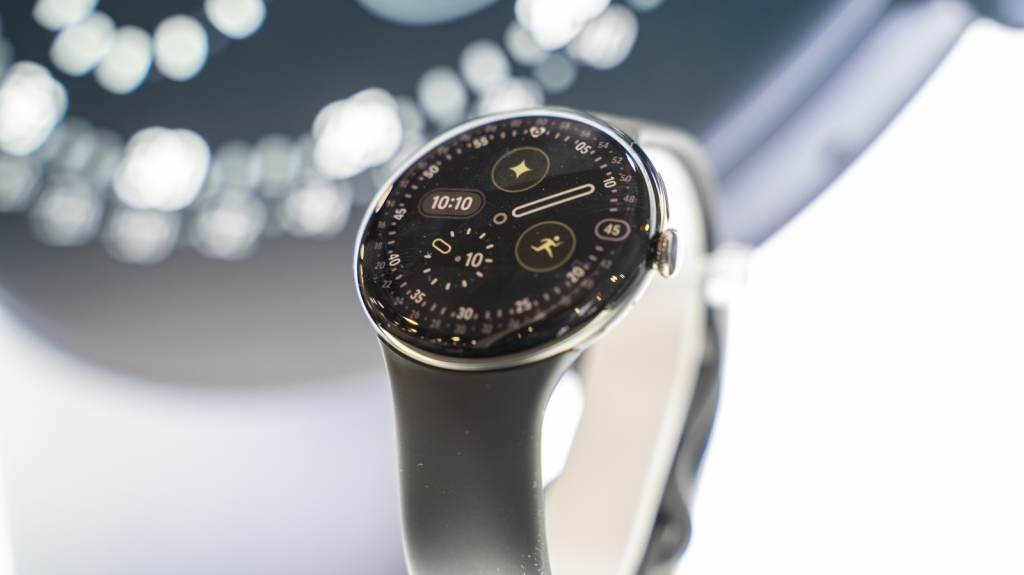
Google’s Pixel Watch 4 Just Schooled Apple in the Most Unexpected Way
Google just dropped a bombshell in the wearable tech world, and it has nothing to do with fancy new sensors or groundbreaking health features. The real story here is that the Pixel Watch 4 has achieved something Apple has been stubbornly refusing to do for years: making a smartwatch that’s actually repairable.
The Repairability Revolution Nobody Saw Coming
When Google unveiled the Pixel Watch 4 in 2025, tech enthusiasts were buzzing about the longer battery life, satellite communication capabilities, and sleek new design. But beneath the surface, Google was quietly executing a master class in consumer-friendly engineering that’s sending shockwaves through the industry.
Here’s the kicker: iFixit, the repairability experts who literally tear apart devices for a living, gave the Pixel Watch 4 a stellar 9/10 repairability score. Meanwhile, Apple’s flagship Apple Watch Ultra 3 limped in with a pathetic 4/10. That’s not just a small difference—that’s a complete demolition.
Why This Actually Matters to You
Let’s be real for a second. Most people don’t think about repairability when they buy a smartwatch. They’re thinking about fitness tracking, notifications, and whether it’ll match their outfit. But here’s why you should care: when your watch inevitably gets damaged or the battery starts dying (because all batteries die eventually), you’re looking at a massive repair bill or buying a whole new device.
With the Pixel Watch 4, Google has essentially future-proofed your purchase. Cracked screen? Battery dying? No problem. The design allows for easy replacement of these components without requiring a degree in rocket science or a small fortune in repair costs.
Google’s Secret Sauce: The Dual-Gasket Architecture
In their blog post, Google’s engineering and design directors revealed the magic behind this repairability miracle. They developed something called a “dual-gasket architecture” that maintains the watch’s water resistance (5ATM and IP68 ratings) even after repairs. This is huge because water resistance is typically the first thing to go when you open up a device.
But here’s where it gets really interesting: instead of using the industry-standard strong adhesives that make repairs nearly impossible, Google opted for a design that prioritizes serviceability. They even went with a stacked cell battery design that not only increases battery life but makes the battery significantly easier to remove and replace.
The Parts Problem Solved
Google isn’t just making the watch repairable—they’re making it repairable with official parts. The company offers a comprehensive repair manual alongside genuine replacement parts, meaning you’re not stuck hunting down sketchy third-party components that might damage your device or void your warranty.
This is a direct challenge to Apple’s approach, which has historically been “if it breaks, just buy a new one.” Even when Apple introduced its Self Service Repair program in 2022, it was more of a reluctant concession than a genuine commitment to repairability.
The Right to Repair Movement Just Got a Major Win
This isn’t just about Google being nice. It’s part of a larger Right to Repair movement that’s gaining serious momentum in both the U.S. and Europe. Consumers and lawmakers are finally pushing back against the planned obsolescence model that’s dominated the tech industry for decades.
Apple was forced to introduce its self-service repair program, but Google is taking it further by designing repairability into the product from day one. That’s the difference between being dragged kicking and screaming into doing the right thing versus genuinely committing to consumer-friendly practices.
The Numbers Don’t Lie
Let’s break down what this means financially:
- Pixel Watch 4: Screen replacement possible, battery replacement straightforward, band swaps easy as pie
- Apple Watch Ultra 3: Screen repairs nearly impossible, battery replacement a nightmare, adhesive makes everything harder
When your Pixel Watch 4 needs a repair three years from now, you’ll likely be able to get it fixed for a fraction of the cost of buying a new one. With an Apple Watch, you’re probably looking at Apple’s “convenient” replacement program, which usually means paying for a refurbished model at a significant discount from retail.
The Environmental Impact
Beyond the consumer benefits, this approach is genuinely better for the planet. Electronic waste is one of the fastest-growing waste streams globally, and smartwatches contribute to that problem. A repairable device means less e-waste, fewer resources consumed in manufacturing new devices, and a smaller carbon footprint overall.
Google is essentially saying, “We built this to last,” while Apple’s approach has often felt like, “We built this to sell you another one in two years.”
The Competitive Landscape Shift
This move by Google could force other manufacturers to follow suit. When consumers realize they can get a smartwatch that’s both cutting-edge and repairable, the demand for unrepairable devices will likely decrease. Apple, Samsung, and others may find themselves pressured to improve their repairability scores or risk losing market share to more consumer-friendly alternatives.
What This Means for the Future
The Pixel Watch 4 could be remembered as the device that changed the smartwatch industry. It proves that you don’t have to sacrifice design, water resistance, or features to create a repairable product. Google has essentially called Apple’s bluff and shown that the “it can’t be done” excuse was just that—an excuse.
For consumers, this is a win-win. You get a cutting-edge smartwatch with all the features you want, plus the peace of mind knowing that when something goes wrong (and it will), you’re not completely screwed.
The Bottom Line
Google’s Pixel Watch 4 isn’t just another smartwatch—it’s a statement. It’s Google saying that tech companies can and should do better by their customers. It’s a challenge to the entire industry to stop designing products that are meant to be disposable.
In a world where our devices are increasingly central to our lives, having products that can be repaired rather than replaced isn’t just convenient—it’s essential. Google gets it. Apple, apparently, still doesn’t. And that could make all the difference in where consumers choose to spend their money in the future.
Tags: Google Pixel Watch 4, repairability, iFixit score, Apple Watch Ultra 3, Right to Repair, sustainable technology, smartwatch repair, Google vs Apple, electronic waste, consumer rights, repair manual, genuine parts, dual-gasket architecture, environmental impact, planned obsolescence, tech industry revolution
Viral Phrases: “Google just schooled Apple in repairability,” “The smartwatch that actually lasts,” “Apple’s worst nightmare,” “Repairable tech is the future,” “Google proves it CAN be done,” “The environmental win we needed,” “Say goodbye to disposable smartwatches,” “Google’s master class in consumer-friendly design,” “The repairability revolution nobody saw coming,” “Apple’s repairability problem just got exposed”
Viral Sentences: “Google’s Pixel Watch 4 has achieved something Apple has been stubbornly refusing to do for years.” “This is Google calling Apple’s bluff and showing that the ‘it can’t be done’ excuse was just that—an excuse.” “When your Pixel Watch 4 needs a repair three years from now, you’ll likely be able to get it fixed for a fraction of the cost of buying a new one.” “Google isn’t just making the watch repairable—they’re making it repairable with official parts.” “The Pixel Watch 4 could be remembered as the device that changed the smartwatch industry.”
,

Leave a Reply
Want to join the discussion?Feel free to contribute!