
WhatsApp and Telegram blocked in Russia, Meta ‘extremist organization’
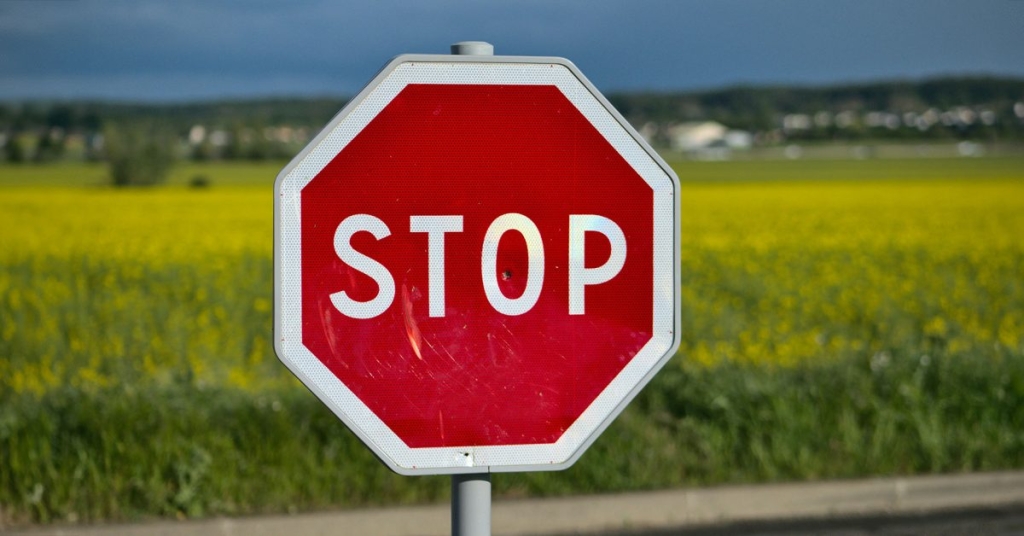
Russia Blocks WhatsApp and Telegram in Sweeping Digital Crackdown
In a dramatic escalation of its digital sovereignty campaign, Russia has officially blocked access to two of the world’s most popular messaging platforms—WhatsApp and Telegram—alongside Facebook and Instagram. The move, executed by the country’s internet regulator Roskomnadzor, marks a significant shift in Russia’s approach to controlling online communication, forcing millions of citizens to abandon encrypted messaging services in favor of government-controlled alternatives.
The Digital Iron Curtain Descends
The timing couldn’t be more telling. As geopolitical tensions continue to simmer, Moscow has moved decisively to eliminate platforms that offer secure, private communication. WhatsApp, with over 100 million users in Russia, was suddenly removed from the national internet directory, effectively cutting off access to the Meta-owned service that millions relied upon daily for personal and professional communication.
Telegram, despite its Russian origins and previous resilience against government attempts to block it, has now been effectively neutralized. The platform, which had become something of a digital sanctuary for free expression in Russia, has been systematically degraded over recent weeks through technical interference and regulatory pressure.
Max: The Government’s Surveillance-First Alternative
At the heart of this digital purge lies Russia’s homegrown messaging app, Max—a platform explicitly designed with government surveillance capabilities baked into its architecture. Unlike WhatsApp’s end-to-end encryption or Telegram’s secret chats, Max offers no meaningful privacy protections. Every message, every image, every voice note transmitted through the platform can be accessed, analyzed, and stored by Russian security services.
The government’s strategy appears twofold: eliminate competition from foreign platforms while simultaneously creating a digital environment where all communication flows through channels the state can monitor. This approach aligns with Russia’s broader “digital sovereignty” agenda, which seeks to create a self-contained internet ecosystem insulated from Western influence.
Meta Designated as “Extremist Organization”
In a move that underscores the severity of the situation, Russian authorities have officially designated Meta, the parent company of WhatsApp, Facebook, and Instagram, as “an extremist organization.” This designation carries severe legal implications, effectively criminalizing any interaction with Meta’s platforms and services within Russian territory.
The extremist label represents more than mere rhetoric—it provides legal justification for the comprehensive blocking campaign while potentially exposing Russian citizens who attempt to circumvent these restrictions to criminal prosecution. This designation transforms what might otherwise be seen as economic protectionism into a matter of national security.
Technical Infrastructure Enables Total Control
Russia’s ability to execute such a comprehensive digital blockade stems from its unique internet infrastructure. Unlike most countries where internet traffic flows through diverse, decentralized pathways, Russia routes the majority of its domestic internet traffic through government-controlled servers and monitoring points.
This centralized architecture, often referred to as the “sovereign internet” system, gives authorities unprecedented control over online communication. When Roskomnadzor decides to block a service, it can do so with remarkable efficiency and completeness, leaving citizens with few alternatives for accessing blocked platforms.
Military Implications and Internal Dissent
Perhaps most ironically, the blocking of Telegram has created significant problems within Russia’s own military apparatus. Ukrainian forces have extensively used Telegram for intelligence gathering, monitoring Russian military communications that were inadvertently exposed through the platform’s public channels.
Russian soldiers on the front lines relied heavily on Telegram for critical information about incoming threats, drone activity, and missile strikes. The platform also served as a vital lifeline connecting soldiers with their families back home. Military analysts suggest that the loss of this communication channel could have serious operational consequences for Russian forces in Ukraine.
The decision has reportedly sparked considerable anger even among Putin’s traditional support base. Conservative commentators and nationalist voices, who might otherwise support government efforts to control information, have expressed frustration at losing access to a platform that had become integral to daily life and military operations.
Facebook and Instagram Join the Blocked List
The blocking campaign extends beyond messaging apps to include Facebook and Instagram, two of the world’s largest social media platforms. This broader sweep suggests that the Russian government views all Western-controlled digital platforms as potential threats to its information control objectives, regardless of their primary function.
Instagram, particularly popular among younger Russians and influencers, represented a significant cultural touchpoint. Its removal severs millions of users from global cultural trends, international connections, and alternative sources of information that might challenge official narratives.
The Global Context: Digital Sovereignty Movement
Russia’s actions fit into a broader global trend toward digital sovereignty, where nations seek to exert greater control over the digital spaces their citizens inhabit. China’s “Great Firewall” represents the most extreme example of this philosophy, while countries like Iran, Turkey, and increasingly India have implemented various forms of digital protectionism.
What makes Russia’s approach distinctive is the combination of technical capability, political will, and the specific focus on messaging platforms that offer privacy protections. By targeting encrypted communication specifically, Moscow reveals its primary concern: maintaining the ability to monitor and control political discourse.
Circumvention Efforts and Citizen Response
Despite the comprehensive nature of the blocking campaign, Russian internet users have not passively accepted these restrictions. VPN services, proxy servers, and other circumvention tools have seen massive spikes in usage. However, the government has responded by blocking many of these services as well, creating a cat-and-mouse game between citizens seeking access and authorities seeking to maintain control.
The effectiveness of these restrictions varies by region and technical sophistication, but the overall trend suggests that the average Russian citizen will find it increasingly difficult to access Western platforms without significant technical knowledge and persistence.
Economic and Social Implications
The blocking of these major platforms carries substantial economic implications. Businesses that relied on WhatsApp for customer communication, Facebook for advertising, or Instagram for brand building must now either abandon these channels or find ways to operate through the restricted environment.
Socially, the impact is equally profound. Families separated by geography lose easy communication channels. Communities built around shared interests fracture. The diversity of information sources available to Russian citizens contracts dramatically, potentially accelerating the creation of an information bubble controlled by state-approved platforms.
International Reaction and Corporate Response
The international community has largely condemned Russia’s actions as violations of digital rights and freedoms. Human rights organizations have highlighted the particular danger of eliminating encrypted communication channels, which serve as vital tools for protecting privacy, organizing dissent, and maintaining personal security.
Meta has not publicly commented on its extremist designation, likely recognizing that any response could be used as further justification for the restrictions. The company faces the difficult position of having millions of users suddenly cut off from its services, with little recourse available through diplomatic or legal channels.
Looking Forward: The Future of Digital Freedom in Russia
The blocking of WhatsApp, Telegram, Facebook, and Instagram represents more than a temporary restriction—it signals a fundamental shift in Russia’s approach to the internet and digital communication. The government appears committed to creating a digital environment where all communication flows through channels it can monitor and control.
For Russian citizens, this means adapting to a new reality where privacy in digital communication becomes increasingly scarce, where access to global information sources requires technical sophistication and risk tolerance, and where the boundaries between public and private discourse continue to erode.
The long-term implications extend beyond Russia’s borders. As more nations observe the technical feasibility and political viability of such comprehensive digital control, similar efforts may emerge elsewhere, potentially reshaping the global internet from a free-flowing network of information into a series of national digital territories, each with its own rules, restrictions, and surveillance capabilities.
Viral Tags and Phrases
- Russia blocks WhatsApp and Telegram
- Digital sovereignty crackdown intensifies
- Max messaging app surveillance
- Meta designated extremist organization
- Roskomnadzor internet regulator blocks platforms
- Encrypted messaging under attack
- Sovereign internet system revealed
- Russian soldiers lose vital communication tool
- VPN usage spikes in Russia
- Digital iron curtain descends
- Government-controlled messaging mandatory
- End-to-end encryption eliminated
- Social media blackout expands
- Facebook and Instagram blocked
- Telegram resistance finally broken
- WhatsApp users cut off
- Surveillance-first messaging platform
- Digital rights violation escalates
- Information control tightens
- Internet freedom under threat
- Circumvention tools blocked
- Economic impact of social media ban
- Cultural isolation accelerates
- Global internet fragmentation
- Digital sovereignty movement grows
- Privacy advocates alarmed
- State monitoring mandatory
- Communication channels eliminated
- Western platforms purged
- Russian internet centralizes
- Military communication disrupted
- Putin’s digital control expands
- Citizens adapt to restrictions
- Alternative platforms emerge
- International condemnation grows
- Corporate response limited
- Future of digital freedom uncertain
- Information bubble tightens
- Global precedent set
- Digital rights erosion accelerates
- State surveillance normalized
- Private communication eliminated
- Social media alternatives vanish
- Digital isolation intensifies
- Communication revolution reversed
- Internet freedom retreats
- Digital authoritarianism advances
- Privacy becomes luxury
- Global connectivity severed
- National digital territories emerge
,

Leave a Reply
Want to join the discussion?Feel free to contribute!