
Highguard Dev Mourns The Game – "The Future Seemed Bright" Before TGA Reveal
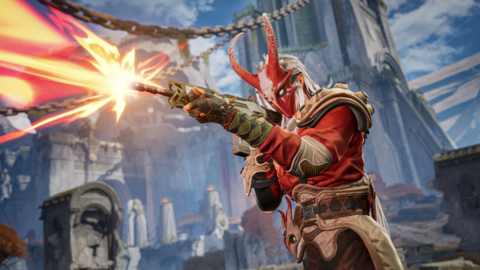
The Rise and Fall of Highguard: A Cautionary Tale of Ambition, Hype, and the Fragility of Game Development
In the high-stakes world of video game development, few stories capture the volatile intersection of ambition, expectation, and industry turbulence quite like the recent saga of Highguard. What began as a beacon of hope—a project whispered about in industry circles as “lightning in a bottle”—has now become a stark reminder of how quickly fortunes can shift in the gaming world.
The Dream Before the Storm
Josh Sobel, a former lead tech artist at Wildlight, the studio behind Highguard, has offered an intimate and heartbreaking retrospective on the game’s journey. His account, shared publicly after being laid off on February 11, peels back the curtain on a project that once seemed destined for greatness.
“In the months leading up to The Game Awards, the atmosphere at Wildlight was electric,” Sobel recounted. “We had been working in secret for over two and a half years, and the anticipation was palpable. Everyone—from the developers to our industry friends—believed we had something special. The phrases I kept hearing were almost prophetic in their optimism: ‘This is lightning in a bottle.’ ‘I trust this team wholeheartedly.’ ‘If there’s one project nobody in the industry is worried will fail, it’s yours.’ ‘This has mainstream hit written all over it.’ ‘There’s no way this will flop.’ ‘I could play this game all day.'”
These words, dripping with confidence and excitement, now carry a bittersweet weight. They represent not just the hopes of a team, but the broader industry’s tendency to anoint certain projects as surefire successes before they’ve even been released.
The TGA Reveal: A Moment of Triumph
When Highguard was finally unveiled at The Game Awards on December 11, it was met with widespread acclaim. The trailer showcased a visually stunning, ambitious title that seemed to push the boundaries of what was possible in its genre. Social media buzzed with excitement, and gaming journalists praised the game’s innovative mechanics and breathtaking art direction.
For Sobel and the team at Wildlight, it was a moment of validation. Years of hard work, late nights, and creative sacrifices had culminated in a reveal that exceeded even their loftiest expectations. The future, it seemed, was theirs to shape.
The Cracks Beneath the Surface
But as Sobel’s account reveals, the cracks in Highguard‘s foundation were already beginning to show. Behind the scenes, the pressures of delivering on such high expectations were taking their toll. Development challenges, resource constraints, and the ever-present specter of market uncertainty began to weigh heavily on the team.
“Looking back, there were signs,” Sobel admitted. “The long hours, the constant revisions, the pressure to live up to the hype—it was all starting to add up. But we were so close to the finish line, and we believed in the game so deeply that we pushed through. We had to believe it would all work out.”
The Layoffs: A Devastating Blow
The announcement that Wildlight would be laying off a significant portion of its staff came as a shock to many. The studio claimed that only a “core” group of developers would continue work on Highguard, leaving the fate of the project—and the livelihoods of dozens of talented individuals—in limbo.
For Sobel, the news was particularly devastating. “Being laid off was one of the hardest moments of my career,” they said. “But it wasn’t just about losing a job. It was about seeing a dream unravel, about watching something you poured your heart and soul into slip through your fingers. The future seemed so bright before that reveal, and now… now it feels like we’re all just trying to pick up the pieces.”
The Broader Implications
The story of Highguard is not just about one game or one studio. It’s a microcosm of the broader challenges facing the video game industry today. The relentless pace of development, the crushing weight of expectations, and the precarious nature of employment in the field all came to a head in Wildlight’s story.
Industry analysts have pointed to Highguard as a cautionary tale about the dangers of overhyping projects before they’re ready. “The gaming community and media can sometimes get carried away with excitement,” said Dr. Elena Martinez, a professor of game studies at the University of Southern California. “But the reality of game development is often far more complex and fraught with challenges than a flashy trailer can convey.”
The Human Cost
Beyond the business implications, the layoffs at Wildlight highlight the human cost of the industry’s volatility. For every Highguard, there are dozens of stories like Sobel’s—talented developers whose careers are upended by forces beyond their control.
“It’s not just about the game anymore,” Sobel reflected. “It’s about the people. The artists, the programmers, the designers—we’re all just trying to make something we’re proud of. But sometimes, despite our best efforts, it doesn’t work out. And when that happens, it’s not just a project that fails. It’s lives that are affected.”
What’s Next for Highguard?
As of now, the future of Highguard remains uncertain. The core team at Wildlight is reportedly working to salvage the project, but details are scarce. Some industry insiders speculate that the game may be scaled back significantly, while others believe it could be sold to another studio or even shelved indefinitely.
For Sobel, the focus is on moving forward. “I’m still processing everything that’s happened,” they said. “But I know that I want to keep making games. I want to be part of projects that inspire people, that push boundaries, that remind us why we fell in love with this medium in the first place. Highguard may not have turned out the way we hoped, but I still believe in the power of games to change lives.”
A Lesson in Resilience
The story of Highguard is a reminder that even the most promising projects can falter, and that the road to success in the gaming industry is rarely straightforward. But it’s also a testament to the resilience of the people who make games. Despite the setbacks, the challenges, and the heartbreak, developers like Sobel continue to pour their passion into their work, driven by a love for the craft and a belief in its potential.
As the industry continues to evolve, the lessons of Highguard will undoubtedly resonate. For developers, it’s a call to prioritize sustainability and mental health in the face of relentless pressure. For fans, it’s a reminder to temper excitement with empathy, to remember that behind every game is a team of people pouring their hearts into their work.
And for the gaming world at large, it’s a story that underscores the need for greater transparency, support, and understanding in an industry that is as rewarding as it is unforgiving.
Tags & Viral Phrases:
- Highguard layoffs
- Wildlight studio collapse
- Game development heartbreak
- TGA reveal disappointment
- Industry cautionary tale
- Lightning in a bottle gone wrong
- Gaming industry volatility
- Developer resilience
- Behind the scenes game dev
- The human cost of gaming
- Ambitious projects fail
- GameSpot exclusive
- Josh Sobel interview
- The future seemed bright
- Picking up the pieces
- Sustainability in game dev
- Empathy for developers
- Transparency in gaming
- The rise and fall of Highguard
- Game development reality check
- Passion vs. pressure in gaming
- The fragility of game development
- Lessons from Highguard
- Gaming industry heartbreak
- The dream that slipped away
,

Leave a Reply
Want to join the discussion?Feel free to contribute!