
Frustrated with Spotify updates? Take a guess who’s to blame
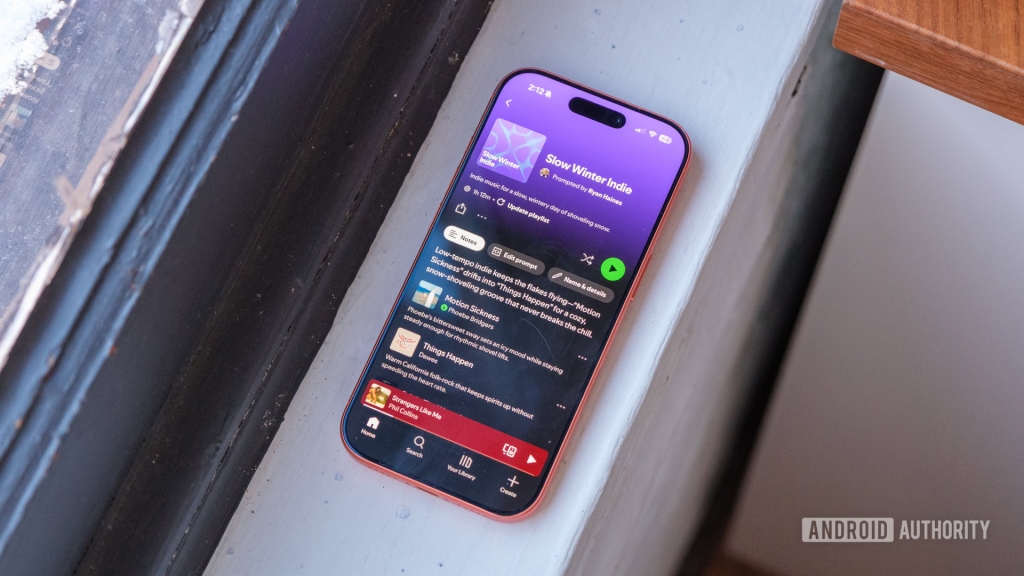
Spotify’s AI Revolution: How Claude Code is Reshaping Music Streaming Development
In a stunning revelation that’s sending shockwaves through the tech industry, Spotify has unveiled its secret weapon in the race for music streaming dominance: artificial intelligence. The Swedish audio giant, known for its vast music library and personalized playlists, is now making headlines for a different reason – its embrace of AI-powered development that’s fundamentally changing how the app evolves.
The Numbers Don’t Lie: 50+ Features in 2024 Alone
Last year, Spotify rolled out an impressive arsenal of more than 50 new features and changes to its platform. From enhanced playlist creation tools to improved social sharing capabilities, the company has been on a relentless march toward feature expansion. But here’s the kicker: behind the scenes, AI has been the unsung hero driving this rapid development cycle.
Co-CEO Gustav Söderström dropped a bombshell during a recent earnings call, revealing that Spotify’s top-tier developers haven’t written a single line of code since December 2024. That’s right – zero, zilch, nada. Instead, an AI system dubbed “Honk” has been shouldering the development burden, using Claude Code to accelerate the creation and deployment of new features at breakneck speed.
The “Honk” System: Spotify’s AI Development Powerhouse
Honk isn’t just another coding assistant; it’s a full-fledged development ecosystem that’s transforming how Spotify builds its app. Here’s how it works: engineers can simply hop onto Slack, describe the feature they want, or outline a bug that needs fixing. Claude Code then springs into action, generating the necessary code, implementing the changes, and even deploying the updated version directly to the engineer’s phone for testing.
But it doesn’t stop there. Once the AI-generated code passes muster, it’s seamlessly merged with Spotify’s production app version. This streamlined workflow is so efficient that Söderström claims it’s “accelerating” development “tremendously.”
The implications are staggering. Spotify is essentially running a 24/7 development shop, powered by AI, that can churn out features and fixes at a pace no human team could match. It’s a bold move that positions Spotify at the forefront of the AI revolution in software development.
More Than Just Coding: Spotify’s AI Ambitions
Spotify’s AI ambitions don’t stop at development. The company is also teasing the possibility of leveraging its massive music dataset to power LLM-like features in the future. Söderström hinted at a dataset “that no one else is really building” at this scale, one that’s continuously improving with each model retraining.
This could open up a whole new world of possibilities for music discovery and curation. Imagine an AI that not only understands your listening habits but can also contextualize music within broader cultural and historical frameworks. It’s a tantalizing prospect that could redefine how we interact with music streaming platforms.
The Price of Progress: Subscription Hikes and User Backlash
However, Spotify’s AI-driven development spree comes at a cost – literally. Just a month before revealing its AI development strategy, the company announced price hikes for US subscribers. The Spotify Premium Individual plan now costs $12.99 per month, making it one of the priciest options in the music streaming market.
Spotify justified the increase by saying it helps the company “keep delivering a great experience.” But with the revelation that AI has been handling major development work since December, some users might question whether they’re getting their money’s worth.
The app’s rapidly expanding feature set, which will soon include an in-app bookstore, has already pushed some customers away. Frustrated users have complained about the platform feeling bloated and overwhelmed with AI features they didn’t ask for.
The Future of Music Streaming: AI-Driven or User-Centric?
As Spotify continues to push the boundaries of what’s possible with AI in music streaming, it faces a critical question: Can it balance technological innovation with user satisfaction?
On one hand, AI-driven development allows for rapid iteration and feature deployment, potentially leading to a more polished and feature-rich app. On the other, there’s a risk of alienating users who prefer a simpler, more streamlined experience.
The music streaming landscape is more competitive than ever, with Apple Music, Amazon Music, and YouTube Music all vying for market share. Spotify’s AI gamble could be the differentiator that keeps it ahead of the pack – or it could be the misstep that opens the door for competitors to gain ground.
What’s clear is that the era of AI-driven music streaming has arrived, and Spotify is determined to be at its forefront. Whether users will embrace this new reality or seek out alternatives remains to be seen.
As we watch this story unfold, one thing is certain: the intersection of AI and music streaming is about to get a whole lot more interesting.
#SpotifyAI #MusicTech #ClaudeCode #AIinMusic #TechInnovation #MusicStreaming #FutureOfMusic #AITransformation #TechNews #DigitalMusic
Spotify’s AI development, Claude Code Spotify, Music streaming AI, Gustav Söderström, Honk system, AI-powered coding, Music tech innovation, Spotify price hike, Future of music streaming, AI in app development, Tech industry disruption, Music discovery AI, Streaming platform evolution, Artificial intelligence music, Digital audio revolution, User experience AI, Competitive streaming landscape, Music recommendation algorithms, AI-driven feature development, Tech earnings call insights, Music streaming subscription costs, AI dataset creation, Software development automation, Music industry technology, Personalized music AI, App development acceleration, Music streaming market trends, AI coding assistant, Digital music consumption, Tech company innovation strategies,

Leave a Reply
Want to join the discussion?Feel free to contribute!