
Waymo is asking DoorDash drivers to shut the doors of its self-driving cars
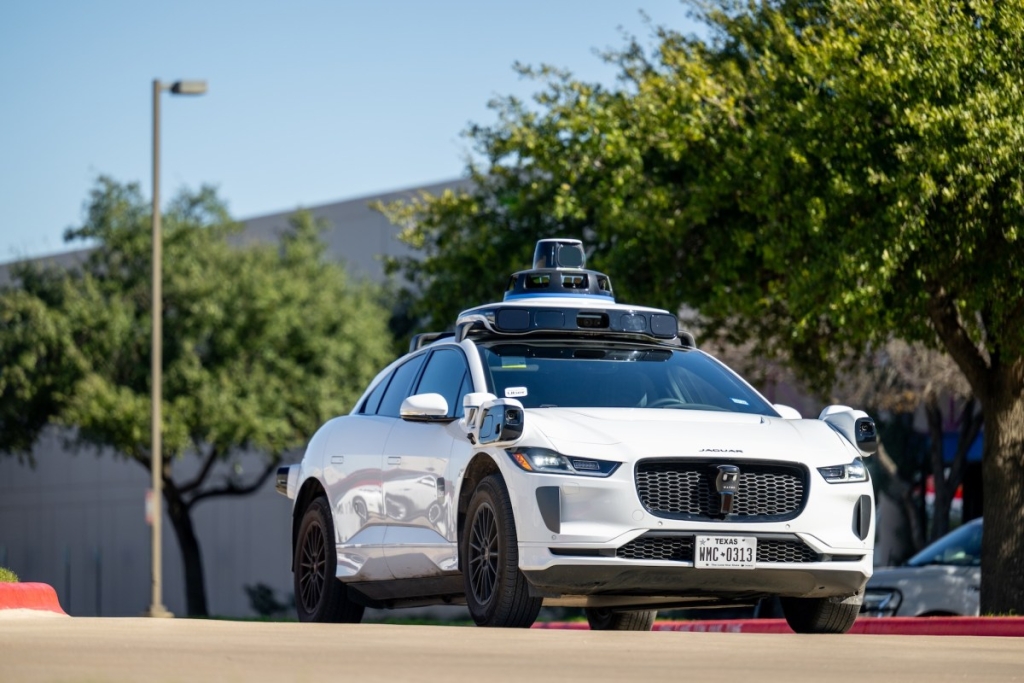
The Ironic Glitch in the Driverless Dream: Waymo’s $6.25 Door-Closing Gig Economy Fix
In the gleaming narrative of autonomous vehicle innovation, where driverless cars glide silently through cityscapes like something out of a sci-fi blockbuster, a peculiar and oddly human problem has emerged—one that exposes the fragile seams beneath the polished veneer of technological perfection. Waymo, Alphabet’s autonomous vehicle subsidiary, has achieved what once seemed like a futuristic fantasy: robotaxis ferrying passengers across six major cities without a human at the wheel. Yet, in a twist worthy of a satirical tech parable, these marvels of modern engineering can be brought to a complete standstill by something as mundane as an accidentally left-open car door.
The story broke on Reddit, where a DoorDash driver shared a screenshot of an unusual delivery request. Instead of picking up a meal, the gig worker was offered $6.25 to drive less than a mile to a stationary Waymo vehicle and close its door. Upon verification, they’d earn an additional $5. The internet, ever quick to spot irony, erupted in amusement. “You actually ‘door’ dashed,” one commenter quipped, perfectly capturing the absurdity of the moment.
This isn’t just a quirky anecdote—it’s a revealing glimpse into the current limitations of autonomous technology. Waymo vehicles, despite their advanced sensors, AI-driven navigation, and multi-billion-dollar backing, are still vulnerable to simple human oversights. A door left ajar doesn’t just inconvenience a passenger; it immobilizes the entire vehicle, rendering it unable to complete further rides and potentially blocking traffic flow. In a world racing toward full automation, this dependency on human intervention feels almost quaint—like watching a spaceship stall because someone forgot to close the airlock.
Waymo and DoorDash have confirmed the legitimacy of the Reddit post, framing it as part of a pilot program in Atlanta designed to enhance fleet efficiency. In rare instances where a vehicle door is left open, nearby Dashers are notified to resolve the issue quickly, allowing Waymo to get its cars back on the road. This partnership is just one facet of a broader collaboration between the two companies. In October, they launched an autonomous delivery service in Phoenix, where Waymo vehicles deliver food and groceries directly to DoorDash customers—a futuristic convenience that now comes with a very human troubleshooting step.
But Atlanta isn’t the only city where Waymo has outsourced its door-closing duties. In Los Angeles, the company partners with Honk, an app often described as “Uber for towing.” Honk users in L.A. have been offered up to $24 to close a Waymo door—more than double the Atlanta rate—highlighting both the regional variations in gig economy pay and the critical nature of the task. An immobile Waymo isn’t just a stranded vehicle; it’s a bottleneck in an otherwise seamless autonomous network.
The irony is delicious. Waymo, fresh off a $16 billion funding round aimed at scaling its robotaxi fleet internationally and expanding into markets like London and Tokyo, still relies on gig workers to perform what amounts to basic quality control. It’s a reminder that even the most advanced technologies are not immune to the unpredictable messiness of real-world use. The company acknowledges this, noting that future Waymo vehicles will feature automated door closures. But for now, the gig economy serves as a surprisingly effective—if slightly absurd—safety net.
This incident also raises broader questions about the future of autonomous systems and their integration into everyday life. As companies like Waymo push the boundaries of what’s possible, they inevitably encounter edge cases that no amount of machine learning can fully anticipate. A door left open might seem trivial, but it’s emblematic of the countless small, human-scale problems that autonomous systems must learn to handle independently. Until then, there’s something almost comforting about knowing that, when technology falters, there’s still a human ready to step in—for $6.25 plus a verification bonus.
In the grand narrative of the driverless revolution, this is a minor hiccup. But it’s also a poignant reminder that the path to full autonomy isn’t just about coding and sensors; it’s about understanding and accommodating the beautifully flawed human element. After all, even robots need a helping hand sometimes—especially when they forget to close the door.
Tags: Waymo, autonomous vehicles, driverless cars, gig economy, DoorDash, Honk, robotaxis, AI, technology glitches, human intervention, tech irony, future of transportation, Alphabet, autonomous delivery, smart cities, innovation failures, gig worker jobs, tech troubleshooting, viral tech stories, automation challenges.
Viral Sentences:
- “You actually ‘door’ dashed.”
- Waymo’s $6.25 gig economy fix.
- The irony of robotaxis needing humans to close doors.
- $16 billion in funding, but still can’t close a door.
- When the future of driving needs a DoorDash driver.
- Waymo’s high-tech hiccup: doors left open, humans called in.
- The glitch in the driverless dream.
- Automation’s unexpected dependency on gig workers.
- Waymo’s door problem: a metaphor for tech’s growing pains.
- The future is here—and it still needs a human touch.
,


Leave a Reply
Want to join the discussion?Feel free to contribute!