
Why 1.5°C failed and setting a new limit would make things worse
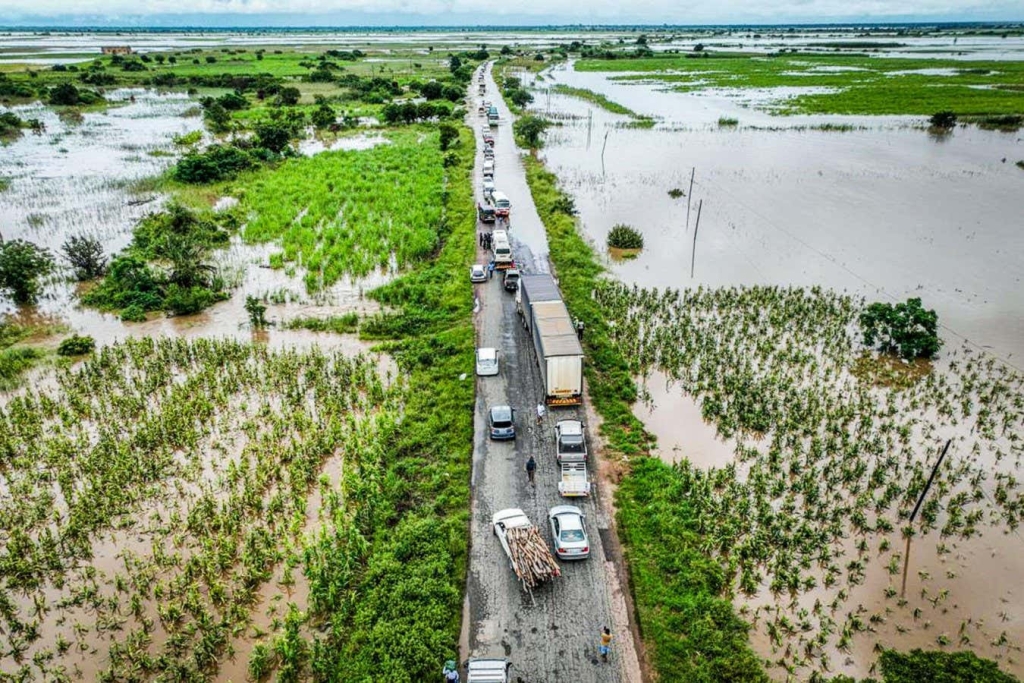
Global Warming Crosses the 1.5°C Threshold: Scientists Warn of Climate Catastrophe
Ten years after the historic Paris Agreement, the world has officially crossed the symbolic 1.5°C global warming threshold, marking a devastating milestone in the climate crisis. Despite decades of warnings from scientists and promises from world leaders, greenhouse gas emissions continue to rise, pushing Earth’s climate system into uncharted and dangerous territory.
The 2015 Paris Agreement was hailed as a turning point in global climate action, with nations pledging to limit warming to “well below 2°C” and pursue efforts to cap it at 1.5°C above pre-industrial levels. At the time, the planet had already warmed by approximately 1°C, and the rate of increase was about 0.18°C per decade. This gave many the false impression that there was still time to act gradually.
However, the reality has proven far more urgent. Today, the rate of global warming has accelerated to 0.27°C per decade, driven by continued fossil fuel combustion, deforestation, and industrial emissions. Despite the rapid growth of renewable energy and electric vehicles, the world still emits over 41 gigatonnes of CO₂ annually. Fossil fuel companies continue expanding operations, and several governments have rolled back green policies under economic and political pressure.
The 1.5°C target was never meant to be a “goal” to reach, but rather a strict limit to avoid. Yet, many policymakers treated it as an aspirational endpoint, delaying meaningful action until it was too late. As a result, critical climate tipping points—such as the collapse of ice sheets, permafrost thaw, and Amazon rainforest dieback—are now at imminent risk of triggering irreversible changes.
With 1.5°C now in the rearview mirror, scientists and climate advocates are debating what comes next. Some suggest adopting new benchmarks like the rate of renewable energy adoption or shifting focus to 1.6°C or 1.7°C as the next “limit.” However, experts warn that this approach is flawed. At the current warming rate, these thresholds would be breached within a decade, offering no real solution.
Instead, climate scientist Richard Betts of the UK Met Office proposes a more immediate and transparent approach: an Earth Thermometer updated annually to reflect the planet’s real-time temperature rise. Inspired by the Bulletin of the Atomic Scientists’ Doomsday Clock, this visual tool would provide a stark, annual reminder of humanity’s impact on the climate and the escalating risks ahead.
As the world grapples with the consequences of crossing 1.5°C, one thing is clear: the era of incremental climate action is over. The choices made in the coming years will determine whether civilization can adapt to a rapidly changing planet—or face catastrophic collapse.
Tags: #ClimateCrisis #GlobalWarming #ParisAgreement #ClimateAction #FossilFuels #RenewableEnergy #ClimateTippingPoints #EarthThermometer #DoomsdayClock #ClimateScience #Emissions #COP26 #ClimateEmergency #ClimatePolicy #EnvironmentalCrisis #ClimateChange #Sustainability #GreenEnergy #ClimateAdvocacy #ClimateJustice
Viral Sentences:
- “1.5°C is dead. Now what?”
- “The Earth has crossed the point of no return—unless we act now.”
- “Fossil fuel companies are still expanding as the planet burns.”
- “Every fraction of a degree matters more than ever.”
- “The climate clock is ticking louder than ever.”
- “We treated 1.5°C as a target, not a limit. Now we pay the price.”
- “The Earth Thermometer is the new Doomsday Clock.”
- “Climate tipping points are closer than ever—act now or face catastrophe.”
- “The Paris Agreement failed. What’s next?”
- “Humanity’s future depends on the choices we make today.”
,

Leave a Reply
Want to join the discussion?Feel free to contribute!