
China Draft Standard Removes Half Steering Wheel Design From Mandatory Auto Rules · TechNode
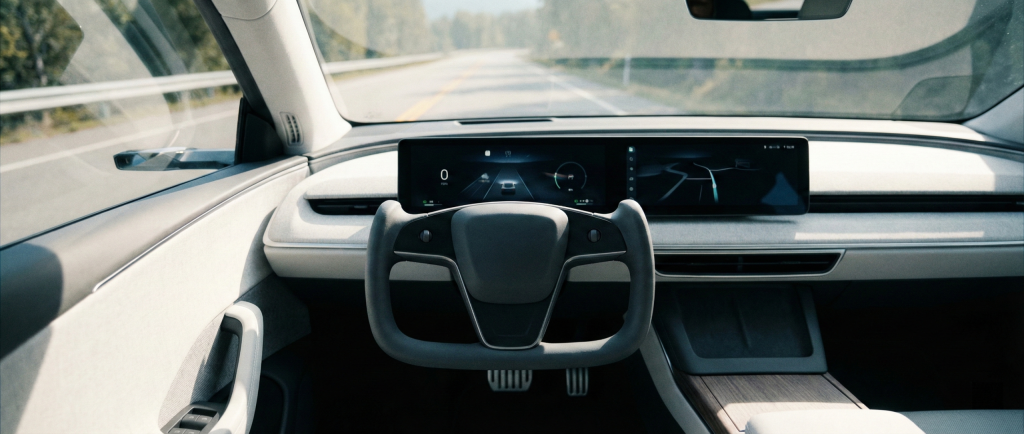
China’s Bold Move: Half Steering Wheels Left Out of 2027 Vehicle Safety Standards
In a surprising twist that’s sending ripples through the global automotive industry, China’s Ministry of Industry and Information Technology (MIIT) has officially dropped the controversial “half steering wheel” design from its upcoming mandatory national standard, GB 11557-202X. Set to take effect on January 1, 2027, this draft regulation marks a significant pivot in the country’s approach to vehicle safety and innovation.
The half steering wheel—a design that removes the upper portion of the traditional circular steering wheel—has been a hot topic among car enthusiasts, engineers, and safety advocates alike. Inspired by Formula One race cars, the design promises a sleek, futuristic aesthetic and potentially improved ergonomics. However, its absence from the new standard raises questions about its viability for mainstream passenger vehicles.
What’s Changed?
The latest draft of GB 11557-202X no longer includes technical definitions, testing methods, or compliance rules for half steering wheels. This is a stark departure from an earlier consultation version, which had outlined specific guidelines for the design. According to the document, half steering wheels are not part of the current mandatory standard framework, and no separate compliance testing pathway has been defined.
This decision comes as a blow to automakers who have been experimenting with the design in recent years. Several new energy vehicle (NEV) models have already incorporated half steering wheels, touting them as a symbol of cutting-edge innovation. However, the lack of regulatory clarity could force these companies to rethink their strategies.
Safety Concerns Take Center Stage
The debate over half steering wheels has largely centered on safety. Critics argue that the absence of an upper grip point could make handling more difficult during sharp turns, U-turns, or emergency maneuvers. While the design may offer advantages in high-speed racing scenarios, its suitability for everyday driving remains contentious.
Industry observers have pointed out that the upper portion of a traditional steering wheel provides crucial support during critical moments, such as sudden lane changes or evasive actions. Without it, drivers may struggle to maintain control, particularly in adverse conditions. These concerns appear to have influenced MIIT’s decision to exclude the design from the new standard.
A Win for Traditionalists?
For advocates of conventional steering wheel designs, this move is a victory. The circular steering wheel has been a staple of automotive engineering for over a century, and its proven track record in terms of safety and usability is hard to ignore. By sidelining the half steering wheel, MIIT is effectively reaffirming the importance of tried-and-true designs in the pursuit of innovation.
However, this doesn’t mean the end of experimentation. Automakers are likely to continue exploring alternative steering mechanisms, albeit within the boundaries set by the new standard. The challenge will be to balance innovation with safety, ensuring that new designs meet the rigorous demands of modern driving.
Global Implications
China’s decision could have far-reaching implications for the global automotive industry. As the world’s largest market for new energy vehicles, China’s regulations often set the tone for international trends. Other countries may follow suit, either adopting similar standards or using China’s approach as a benchmark for their own policies.
For automakers operating in multiple markets, this development underscores the need for adaptability. Designs that are acceptable in one region may not meet the requirements of another, necessitating a flexible approach to vehicle development.
What’s Next?
With the new standard set to take effect in 2027, automakers have a few years to adjust their strategies. Some may choose to abandon half steering wheel designs altogether, while others may seek to refine them to meet regulatory requirements. The coming years will be crucial in determining the future of this contentious design.
In the meantime, the automotive industry will be watching closely to see how this decision impacts innovation and safety. Will the half steering wheel remain a niche feature for racing enthusiasts, or will it find a place in the mainstream? Only time will tell.
Tags & Viral Phrases:
- China bans half steering wheels
- MIIT drops controversial car design
- Half steering wheel safety debate
- Formula One-inspired car tech
- New energy vehicle regulations
- 2027 vehicle safety standards
- Automotive innovation hits roadblock
- Traditional steering wheels win
- Global impact of China’s decision
- Future of car design uncertain
- Safety vs. innovation in cars
- Automakers rethink strategies
- Half steering wheels out, circular in
- China’s bold move in auto industry
- Half steering wheels: fad or future?
,


Leave a Reply
Want to join the discussion?Feel free to contribute!