
Highguard didn’t flop | PC Gamer
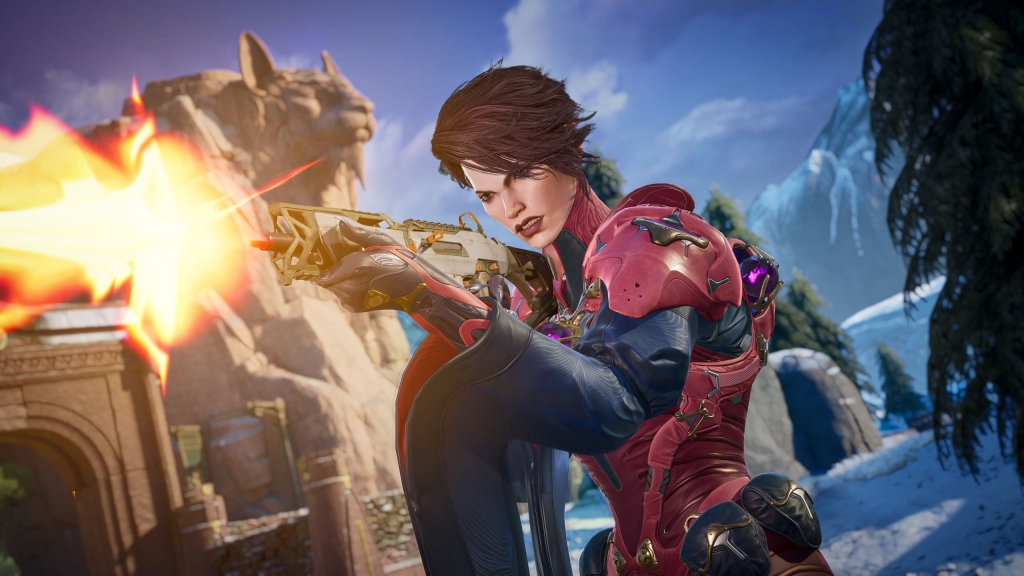
Highguard: The Shooter That Promised Greatness But Delivered a Harsh Reality Check
The gaming world was buzzing with anticipation for Highguard, a competitive shooter that seemed poised to take the industry by storm. With developers who had previously worked on the massively successful Apex Legends, expectations were sky-high. The studio was so confident in their product that they didn’t even bother with public playtests before their grand reveal at The Game Awards. Talk about swagger!
But here’s where things get interesting—and a bit painful for the developers. Despite all the hype and internal confidence, Highguard’s launch has been, well, underwhelming to say the least. The game currently sits with only a couple thousand concurrent players on Steam, which in the world of competitive shooters, is basically a death sentence.
The Harsh Reality of the FPS Market
What makes Highguard’s story particularly fascinating is how it perfectly illustrates the brutal truth about the modern gaming industry. For every Fortnite or Apex Legends that explodes into mainstream consciousness, there are dozens of equally polished, well-designed shooters that fade into obscurity.
Take Straftat, for instance—one of 2024’s most critically acclaimed shooters that peaked at just 2,202 concurrent players. Or Echo Point Nova, another darling of the gaming press that managed a whopping 1,143 players at its peak. These aren’t obscure indie titles; these are games that critics loved, that had dedicated fanbases, that offered unique and innovative gameplay experiences. And yet, they couldn’t break through the noise.
The Development Dream vs. Market Reality
The former Highguard developers’ shock at their game’s reception speaks volumes about a fundamental disconnect in the industry. There seems to be this persistent belief that if you build something good enough, the players will automatically come. But that’s simply not how the modern gaming landscape works.
Consider the pedigree of some failed shooters: Cliff Bleszinski (the mind behind Gears of War) couldn’t make LawBreakers or Radical Heights work. Mark Rubin, who worked on Call of Duty: Modern Warfare, saw his XDefiant project shuttered by Ubisoft. Even EA, with all its resources, couldn’t save Rocket Arena from becoming a cautionary tale.
The Numbers Don’t Lie
The statistics are sobering. According to recent data, nearly half of all games released on Steam last year received fewer than 10 user reviews. That’s not 10 positive reviews—that’s 10 reviews, period. In this context, Highguard’s couple thousand players actually looks pretty decent. It’s only considered a “flop” because it was positioned as something that would compete with the biggest names in the industry.
The game itself isn’t bad—Morgan from PC Gamer gave it a respectable 65% in his review. It’s competent, it’s polished, it has all the elements you’d expect from a modern competitive shooter. But competence isn’t enough anymore. In a market flooded with options, being “pretty good” is the same as being invisible.
The Human Cost
Perhaps the most tragic aspect of this whole situation is what happened to the developers themselves. Just before launch, they were telling everyone that they didn’t need massive player counts to succeed. But their actions told a different story—the studio has now laid off most of its staff, suggesting that their ambitions were always set on the stratosphere.
It’s a harsh lesson in the difference between what you say publicly and what you actually believe privately. The gaming industry is full of stories of developers who thought they were creating the next big thing, only to watch their dreams crumble when reality failed to match their expectations.
The Bigger Picture
Highguard’s story isn’t unique—it’s becoming the norm. The barrier to entry for game development has never been lower, which means the competition has never been fiercer. For every game that breaks through, hundreds languish in obscurity, regardless of their quality.
The real question is whether the industry can sustain this model. How many more Highguards can we have before talented developers start leaving the industry altogether? How many more promising studios need to be gutted before we acknowledge that the current system is broken?
What This Means for Gamers
For players, Highguard’s failure (or rather, its failure to be a massive hit) means fewer risks being taken in the future. When a competently made, well-reviewed shooter can’t find an audience, what hope do more experimental titles have? We might be looking at a future where only the safest, most derivative titles get greenlit, because they’re the only ones with a proven track record of success.
The Silver Lining
Despite everything, there’s a small glimmer of hope in Highguard’s story. The studio behind Diabotical, another shooter that failed to break through, is still around and has pivoted to releasing a roguelike spin-off. Sometimes failure isn’t the end—it’s just a redirection.
Maybe Highguard will find its audience in time. Maybe the developers will land on their feet and create something even better. Or maybe this is just another cautionary tale in an industry that seems increasingly reluctant to learn from its mistakes.
Viral Tags & Trending Phrases
Highguard #GamingIndustry #FPS #GameDevelopment #Steam #TheGameAwards #ApexLegends #Ubisoft #EpicGames #Fortnite #BattleRoyale #GameDev #Layoffs #GamingNews #PCGaming #ShooterGames #MarketReality #IndustryInsights #GameLaunch #PlayerCounts #GamingCulture #DigitalEntertainment #GameDesign #MarketSaturation #GamingTrends #IndustryAnalysis #GameReviews #PlayerExpectations #DevelopmentChallenges #GamingCommunity #MarketCompetition #GameSuccess #IndustryFailures #GamingStatistics #PlayerEngagement #GameMarketing #IndustryReality #GamingBusiness #MarketDynamics #PlayerBehavior #GameIndustry #GamingEcosystem #MarketAnalysis #PlayerRetention #GamePerformance #IndustryChallenges #GamingMarket #PlayerAcquisition #GameMonetization #IndustryEvolution #GamingInnovation #MarketOpportunities #PlayerExperience #GameStrategy #IndustryTransformation #GamingFuture #MarketGrowth #PlayerSatisfaction #GameDevelopmentChallenges #IndustryOutlook #GamingLandscape #MarketTrends #PlayerDemographics #GamePublishing #IndustryAdaptation #GamingRevenue #MarketPositioning #PlayerAcquisitionCost #GameLifecycle #IndustrySustainability #GamingInvestment #MarketResearch #PlayerLoyalty #GameUpdates #IndustryRegulation #GamingTechnology #MarketExpansion #PlayerFeedback #GameBalance #IndustryStandards #GamingPlatforms #MarketCompetition #PlayerCommunity #GameFeatures #IndustryCollaboration #GamingAnalytics #MarketOpportunities #PlayerEngagementStrategies #GameOptimization #IndustryBestPractices #GamingInnovation #MarketDifferentiation #PlayerExperienceDesign #GameDevelopmentProcess #IndustryTrends #GamingMarketAnalysis #PlayerBehaviorAnalysis #GameSuccessFactors #IndustryChallenges #GamingBusinessModel #MarketEntryBarriers #PlayerRetentionStrategies #GamePerformanceMetrics #IndustryGrowth #GamingMarketSize #PlayerAcquisitionChannels #GameDevelopmentCosts #IndustryProfitability #GamingMarketShare #PlayerLifetimeValue #GameMonetizationStrategies #IndustryDisruption #GamingMarketForecast #PlayerChurn #GameUpdateFrequency #IndustryConsolidation #GamingMarketDynamics #PlayerSatisfactionMetrics #GameDevelopmentTimeline #IndustryRegulationImpact #GamingMarketOpportunities #PlayerEngagementMetrics #GameSuccessPrediction #IndustryInnovation #GamingMarketCompetition #PlayerBehaviorTrends #GameDevelopmentChallenges #IndustryAdaptationStrategies #GamingMarketAnalysis #PlayerExperienceOptimization #GamePerformanceImprovement #IndustryBestPractices #GamingMarketResearch #PlayerFeedbackIntegration #GameBalanceAdjustment #IndustryStandardsEvolution #GamingPlatformOptimization #MarketPositioningStrategy #PlayerCommunityBuilding #GameFeaturePrioritization #IndustryCollaborationBenefits #GamingAnalyticsImplementation #MarketOpportunityIdentification #PlayerLoyaltyProgram #GameUpdateStrategy #IndustryRegulationCompliance #GamingTechnologyAdvancement #MarketExpansionStrategy #PlayerFeedbackAnalysis #GameBalanceMetrics #IndustryStandardSetting #GamingPlatformSelection #MarketCompetitionAnalysis #PlayerEngagementStrategy #GameDevelopmentMethodology #IndustryTrendForecasting #GamingMarketSegmentation #PlayerBehaviorPrediction #GameSuccessFactorsAnalysis #IndustryChallengeResolution #GamingBusinessModelInnovation #MarketEntryStrategy #PlayerRetentionProgram #GamePerformanceBenchmarking #IndustryGrowthStrategy #GamingMarketOpportunityAssessment #PlayerExperienceMeasurement #GameDevelopmentRiskManagement #IndustrySustainabilityStrategy #GamingInvestmentReturn #MarketResearchMethodology #PlayerSatisfactionSurvey #GameUpdateImpactAnalysis #IndustryRegulationImpactAssessment #GamingTechnologyAdoption #MarketExpansionFeasibility #PlayerBehaviorStudy #GameSuccessCaseStudy #IndustryChallengeCaseStudy #GamingBusinessModelCaseStudy #MarketEntryCaseStudy #PlayerRetentionCaseStudy #GamePerformanceCaseStudy #IndustryGrowthCaseStudy #GamingMarketCaseStudy #PlayerExperienceCaseStudy
,


Leave a Reply
Want to join the discussion?Feel free to contribute!