
Waymo Announces Its Next Generation of Robotaxis
Waymo’s Sixth-Generation Driver Takes the Wheel: The Next Era of Autonomous Rides Begins
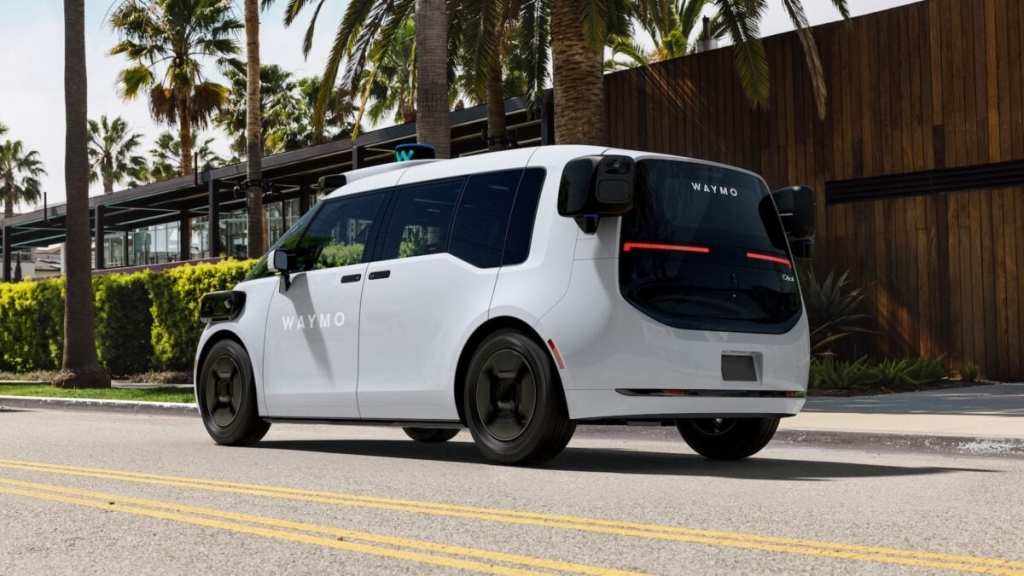
Alphabet’s autonomous vehicle pioneer Waymo is accelerating into its next chapter with the debut of its sixth-generation Waymo Driver system, now powering test rides for employees and select guests in the company’s new Ojai robotaxis. Built on a platform from Chinese automaker Geely, these sleek, purpose-built vehicles represent a major leap forward in both capability and cost-efficiency as Waymo positions itself for aggressive expansion across the U.S. and beyond.
In a blog post announcing the milestone, Waymo Vice President of Engineering Satish Jeyachandran described the new system as “the primary engine for our next era of expansion,” emphasizing its streamlined configuration that reduces costs without compromising the company’s rigorous safety standards. This isn’t just incremental improvement—it’s a foundational upgrade designed to handle the full spectrum of real-world driving challenges, from dense urban traffic to extreme winter conditions.
A Smarter, Sharper Sensor Suite
At the heart of the sixth-generation system is a powerful new high-resolution 17-megapixel imager capable of capturing millions of data points per second. Waymo says this advanced sensor allows the vehicle to achieve superior environmental awareness with fewer cameras than lower-resolution setups would require—a crucial innovation for both performance and cost reduction. The system also incorporates more affordable and energy-efficient lidar and radar sensors, striking a balance between cutting-edge capability and scalable production economics.
This sensor fusion approach enables the Ojai vehicles to perceive their surroundings with unprecedented clarity, identifying pedestrians, cyclists, other vehicles, and obstacles with greater precision and at longer ranges. The result is a driving system that doesn’t just react to its environment—it anticipates and adapts to it.
Built for Versatility, Ready for Scale
One of the most significant advantages of the sixth-generation Waymo Driver is its adaptability across different vehicle platforms. While the new Ojai taxis are the first to showcase the technology, Waymo has confirmed that the system will also power its growing fleet of Hyundai Ioniq 5 SUVs. Meanwhile, the company’s existing Jaguar I-Pace vehicles will continue operating on the fifth-generation system, though Waymo received its final delivery of I-Paces last year, signaling a clear transition path.
Waymo’s manufacturing strategy underscores its ambitions. The company plans to scale production at its Phoenix factory to tens of thousands of vehicles annually, a critical step as it races to expand into new markets. This volume production capability is essential for meeting the demands of a rapidly growing service area and maintaining competitive momentum in the autonomous vehicle sector.
Expansion on the Fast Track
Currently, Waymo operates its robotaxi service in six major metropolitan areas: Austin, San Francisco, Phoenix, Atlanta, Los Angeles, and Miami. But the company’s roadmap is far more ambitious. In February, Waymo announced plans to expand into 20 additional cities this year, including major international markets like Tokyo and London. This aggressive growth strategy is backed by a massive $5.6 billion investment round, providing the capital needed to deploy fleets, hire talent, and navigate regulatory landscapes across diverse jurisdictions.
The expansion isn’t just about geographic reach—it’s about proving that autonomous vehicles can operate safely and efficiently in a wide variety of environments, from the sunny sprawl of Phoenix to the dense, unpredictable streets of Tokyo. Each new city presents unique challenges, from weather patterns to traffic behaviors, and Waymo’s sixth-generation system is engineered to meet them all.
Navigating Scrutiny and Safety Concerns
As Waymo accelerates its rollout, it faces heightened scrutiny from federal regulators. The National Highway Traffic Safety Administration (NHTSA) recently opened an investigation into a January incident in Santa Monica where a Waymo robotaxi struck a child near an elementary school during drop-off hours. According to Waymo, the vehicle detected the child as they ran out from behind a parked SUV and initiated hard braking, slowing from approximately 17 miles per hour to under 6 miles per hour before contact occurred.
In announcing the probe, NHTSA’s Office of Defects Investigation stated it would examine whether Waymo “exercised appropriate caution” given the vehicle’s proximity to a school and the presence of young pedestrians. The agency also launched a separate investigation last month after reports that Waymo vehicles failed to stop for school buses—a serious safety concern that underscores the challenges of deploying autonomous systems in sensitive environments.
These incidents highlight the delicate balance Waymo must strike as it scales: pushing the boundaries of innovation while ensuring public trust and regulatory compliance. The company has long emphasized that safety is its top priority, and the sixth-generation system incorporates advanced detection and decision-making capabilities designed to prevent such incidents. However, as the technology moves from controlled environments into the chaos of everyday life, even rare events can attract significant attention.
The Road Ahead
Waymo’s sixth-generation Waymo Driver represents more than just a technical upgrade—it’s a statement of intent. By combining advanced sensors, adaptable architecture, and scalable manufacturing, the company is laying the groundwork for a future where autonomous rides are not only possible but practical, affordable, and safe.
As Waymo prepares to roll out its expanded fleet across new cities and continents, it will need to navigate not only the technical challenges of diverse environments but also the complex landscape of public perception and regulatory oversight. The stakes are high, but so are the potential rewards: a transportation revolution that could reduce accidents, ease congestion, and transform urban mobility.
For now, employees and guests in select markets are getting an early look at what that future feels like—riding in vehicles that see farther, think faster, and drive smarter than ever before. And if Waymo’s trajectory is any indication, this is just the beginning.
Tags: Waymo, autonomous vehicles, robotaxi, sixth-generation driver, Ojai, Geely, Alphabet, self-driving cars, lidar, radar, sensor technology, urban mobility, expansion, safety, NHTSA, Santa Monica, school zone, Hyundai Ioniq 5, Jaguar I-Pace, Phoenix factory, Tokyo, London, investment, innovation
Viral Phrases:
- “The future of driving is here—and it doesn’t need a human behind the wheel.”
- “Waymo’s sixth-gen system: seeing the road like never before.”
- “From Phoenix to Tokyo: Waymo’s global takeover accelerates.”
- “Can a robotaxi really keep kids safe? Waymo faces the test.”
- “Alphabet’s bold bet on autonomous rides hits the streets.”
- “The Ojai is more than a car—it’s a statement.”
- “Scaling to tens of thousands: Waymo’s manufacturing moonshot.”
- “17 megapixels, millions of data points, zero compromises.”
- “Regulators watch closely as Waymo expands into new cities.”
- “The robotaxi era is no longer coming—it’s here.”
,

Leave a Reply
Want to join the discussion?Feel free to contribute!