
CAR T-cell therapy may slow neurodegenerative conditions like ALS
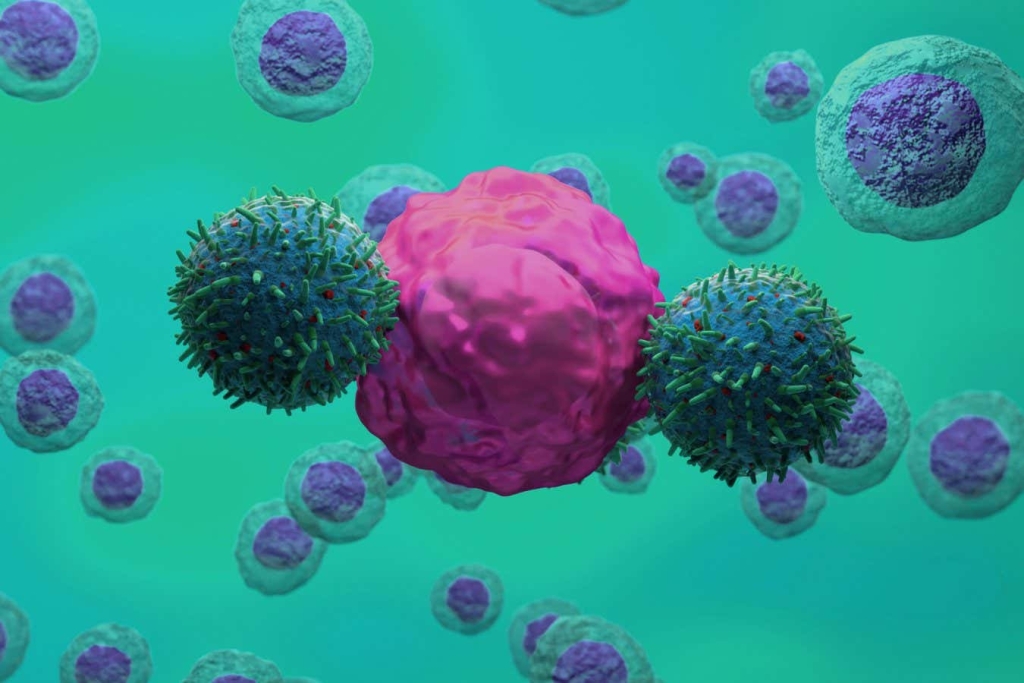
CAR-T Cells: The Immune System’s New Weapon Against ALS
In a groundbreaking development that could reshape the landscape of neurodegenerative disease treatment, researchers have unveiled a promising new approach using genetically engineered immune cells to combat amyotrophic lateral sclerosis (ALS). This innovative therapy, which harnesses the power of CAR-T cells—already revolutionizing cancer treatment—offers new hope for slowing the devastating progression of this fatal condition.
The ALS Crisis: A Race Against Time
ALS, also known as Lou Gehrig’s disease, remains one of medicine’s most formidable challenges. With a life expectancy of just two to five years following diagnosis, the condition strips patients of their ability to control voluntary muscles, eventually leading to complete paralysis and respiratory failure. While physicist Stephen Hawking famously lived with ALS for over five decades—an exceptional outlier—fewer than 10 percent of patients survive beyond ten years after diagnosis.
The urgency of finding effective treatments cannot be overstated. Despite decades of research, therapeutic options remain limited. Genetic mutations account for only 5 to 10 percent of ALS cases, leaving the vast majority—sporadic ALS—without targeted treatments or clear understanding of causation.
The Hidden Culprit: Rogue Microglia
The breakthrough centers on a previously underappreciated aspect of ALS pathology: inflammation-driven neurodegeneration. Within the brain’s immune system, specialized cells called microglia normally serve as protectors, defending against infections, clearing cellular debris, and pruning unnecessary neural connections. However, in ALS patients, a subset of these microglia becomes hyperactive, transforming from guardians into aggressors.
“These cells become out of control,” explains Davide Trotti, director of the Jefferson Weinberg ALS Center in Pennsylvania. When microglia enter this hyperactive state, they begin indiscriminately removing synapses and contributing to motor neuron death—the hallmark of ALS progression.
The Breakthrough Discovery: Tagging the Enemy
Trotti’s team made a crucial observation: these damage-amplifying microglia display high levels of a protein called uPAR on their surface. This discovery effectively “tags” the problematic cells, providing a precise target for therapeutic intervention. “So they are tagged, and knowing the tag, we can go after them and remove them from the central nervous system,” Trotti notes.
This tagging mechanism opens the door to selective elimination of harmful microglia while preserving healthy immune function and neuronal tissue—a critical distinction that could make this approach both effective and safe.
CAR-T Cells: From Cancer Warrior to Neurodegenerative Disease Fighter
The solution draws from one of oncology’s most significant recent advances: CAR-T cell therapy. Originally developed to combat certain blood cancers, CAR-T cells are patient-derived T lymphocytes genetically modified to recognize and destroy cells displaying specific surface proteins.
In laboratory studies using cultured cells, Trotti’s team demonstrated that CAR-T cells engineered to target uPAR could selectively eliminate rogue microglia without damaging neurons. This selectivity is paramount—while the therapy cannot regenerate lost motor neurons, it could dramatically slow further neuronal loss, potentially extending quality of life and survival for ALS patients.
“The goal is slowing down the disease,” Trotti emphasizes. “It’s not a way to cure the disease.” Yet for a condition where every month of slowed progression represents precious time for patients and families, this approach could represent a paradigm shift.
Promising Preliminary Results and Future Trials
The research team has validated their findings across multiple experimental platforms, including analysis of brain and spinal cord tissue from deceased ALS patients. These human tissue studies revealed the same uPAR overexpression pattern observed in laboratory models, strengthening confidence in the therapeutic approach.
Current trials are underway in mice genetically engineered to develop ALS-like symptoms. Results from these animal studies are expected within the next year, and given ALS’s severity and lack of alternatives, regulatory agencies may expedite human trials if the preliminary data proves promising.
Beyond ALS: A Universal Approach to Neurodegeneration?
The implications extend far beyond ALS. Mounting evidence suggests that hyperactive microglia contribute to various neurodegenerative conditions, potentially including Alzheimer’s disease, Parkinson’s disease, and certain forms of dementia. “It could be a way of slowing down those kind of neurodegenerative conditions,” Trotti suggests.
This universality could transform CAR-T therapy from a disease-specific intervention into a platform technology for combating multiple neurological disorders characterized by inflammatory neurodegeneration.
Challenges and the Path Forward
Despite the excitement, significant hurdles remain. CAR-T therapy carries risks, including potentially severe side effects such as cytokine release syndrome and neurotoxicity. Additionally, the current manufacturing process—requiring extraction of a patient’s cells, genetic modification, and reinfusion—is extraordinarily expensive, often costing hundreds of thousands of dollars per treatment.
However, the scientific community is actively addressing these limitations. Researchers worldwide are developing strategies to make CAR-T therapy safer and more cost-effective, including in vivo generation techniques that could eliminate the need for ex vivo cell manipulation.
“The evidence for immune dysfunction in ALS is mounting,” observes Ammar Al-Chalabi, a prominent ALS researcher at King’s College London. “This seems a very promising and interesting approach to me.”
A New Frontier in Neurological Treatment
This research represents more than a potential ALS therapy—it embodies a fundamental shift in how we conceptualize and treat neurodegenerative diseases. By targeting the immune system’s role in neural destruction rather than the neurons themselves, this approach offers a complementary strategy to traditional neuroprotective and regenerative approaches.
For the estimated 5,000 Americans diagnosed with ALS annually, and the hundreds of thousands living with other neurodegenerative conditions worldwide, this research provides a glimmer of hope in what has often felt like an unwinnable battle. While challenges remain, the convergence of immunology, genetic engineering, and neuroscience may finally be delivering the tools needed to slow—and perhaps one day halt—the relentless progression of these devastating diseases.
The coming years will reveal whether this promising approach can translate from laboratory success to clinical reality, but one thing is clear: the boundaries of what’s possible in neurodegenerative disease treatment are expanding, and CAR-T cells may be leading the charge into uncharted therapeutic territory.
Tags: ALS treatment breakthrough, CAR-T cell therapy, neurodegenerative disease research, Lou Gehrig’s disease cure, immune system targeting, microglia modulation, uPAR protein therapy, brain inflammation treatment, Stephen Hawking legacy, neurological innovation, precision medicine ALS, viral immunotherapy, medical research 2026, neuroscience advances, motor neuron disease therapy
Viral Sentences:
- “Scientists are using cancer-fighting cells to battle ALS—and it’s working!”
- “The immune system’s secret weapon against brain disease has been discovered!”
- “From cancer to ALS: How CAR-T cells are revolutionizing medicine”
- “This could be the breakthrough ALS patients have been waiting decades for”
- “Why your body’s own defense system might hold the key to stopping neurodegeneration”
- “The protein tag that could slow down ALS progression by years”
- “How researchers are turning the tables on rogue brain cells”
- “The therapy that could change everything we know about treating brain diseases”
- “From Stephen Hawking’s legacy to today’s cutting-edge treatments”
- “Why this ALS research might help millions with other neurological conditions”
,


Leave a Reply
Want to join the discussion?Feel free to contribute!