
This Cult Favorite Dark Comedy Is Rarely on Streaming, but It Just Arrived on Pluto TV
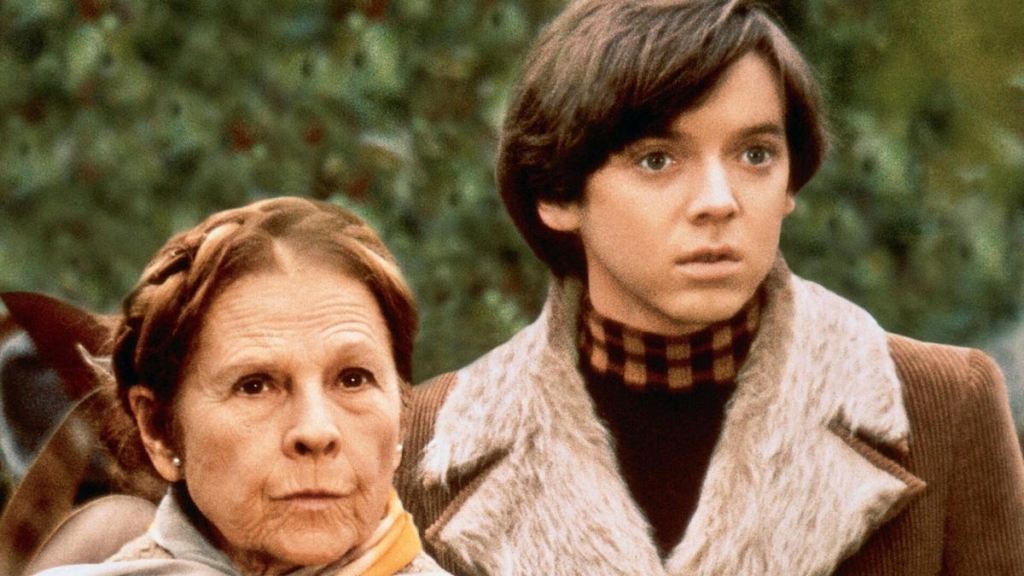
The Cinematic Rebellion of Harold and Maude: A Timeless Love Story That Defies Every Convention
In an era where Hollywood churns out formulaic rom-coms with predictable meet-cutes and tidy endings, there exists a film so audaciously unconventional that it continues to shock, inspire, and resonate more than five decades after its release. Harold and Maude, the 1971 dark romantic comedy directed by the criminally underappreciated Hal Ashby, is not just a movie—it’s a cultural artifact, a philosophical meditation, and a defiant middle finger to societal norms.
The Forgotten Genius of Hal Ashby
While the 1970s are rightfully celebrated as a golden age of American cinema—with auteurs like Martin Scorsese, Francis Ford Coppola, and Mike Nichols dominating conversations—Hal Ashby’s contributions often get relegated to the footnotes of film history. This is nothing short of a cinematic tragedy. Ashby, who died in 1988, crafted some of the decade’s most incisive dark comedies and satires, including Shampoo and Being There. But it’s Harold and Maude that stands as his most daring, controversial, and ultimately triumphant work.
A Love Story That Shouldn’t Work (But Absolutely Does)
At its core, Harold and Maude is about an unlikely romance between Harold Chasen (Bud Cort), a wealthy 20-year-old obsessed with death, and Maude Chardin (Ruth Gordon), a vibrant 79-year-old Holocaust survivor. Harold stages elaborate fake suicides—hanging, self-immolation, you name it—to shock his emotionally distant mother. Maude, meanwhile, lives in a repurposed train car, steals cars for fun, and celebrates life with a zest that borders on the manic.
The film’s central relationship is, by any conventional measure, deeply problematic. A teenager falling in love with a woman old enough to be his great-grandmother? In 2026, such a premise would likely be met with immediate cancellation and think pieces dissecting its problematic nature. And yet, Harold and Maude transcends its potentially exploitative premise to become something far more profound: a meditation on mortality, authenticity, and the courage to live life on one’s own terms.
The Critics Were Wrong (As They Often Are)
Upon its release in 1971, Harold and Maude was met with scathing reviews. The New York Times dismissed it as “creepy and off-putting,” and many critics couldn’t wrap their heads around its tonal whiplash—a film that oscillates between morbid humor and existential philosophy, all set to a soundtrack by Cat Stevens. But as history has repeatedly shown, critics often fail to recognize revolutionary art in the moment. Over the decades, Harold and Maude has evolved from a commercial flop to a bona fide cult classic, thanks in part to its long-running engagements at repertory theaters and its embrace by generations of misfits, dreamers, and rebels.
Why It Still Matters in 2026
In an age of algorithmic content and risk-averse studio executives, it’s almost impossible to imagine a film like Harold and Maude getting greenlit today. The film’s willingness to tackle taboo subjects—death, suicide, intergenerational romance—with a blend of humor and sincerity feels almost radical in our current cultural climate, where every creative decision is scrutinized for its potential to offend.
But Harold and Maude isn’t just a relic of a more permissive era; it’s a reminder of what cinema can achieve when it dares to be different. In a world increasingly dominated by franchises and IP-driven blockbusters, the film stands as a testament to the power of originality, the importance of taking risks, and the enduring appeal of stories that challenge our assumptions.
A Celebration of Life, Disguised as a Dark Comedy
Despite its morbid trappings, Harold and Maude is ultimately a celebration of life. Maude’s philosophy—”Everyone has the right to make an ass out of themselves. You just can’t let the world judge you too much”—is a rallying cry for authenticity in an age of curated social media personas and performative virtue signaling. The film’s message is simple but profound: life is short, unpredictable, and often absurd. The only way to navigate it is to embrace your quirks, reject societal expectations, and find joy in the unexpected.
A Timely Re-Release
Adding to the film’s renewed relevance is the recent passing of Bud Cort, who died this week at age 77. Cort’s performance as Harold is a masterclass in deadpan comedy and vulnerability, and his death serves as a poignant reminder of the film’s enduring legacy. Fortunately, Harold and Maude is currently available for free on streaming platforms like Pluto TV and Kanopy, making it the perfect unconventional choice for a Valentine’s Day watch—or any day, really.
The Soundtrack That Defines a Generation
No discussion of Harold and Maude would be complete without mentioning its iconic soundtrack by Cat Stevens. Songs like “Where Do the Children Play?” and “Trouble” don’t just complement the film’s themes; they elevate them, transforming Harold and Maude into a sensory experience that lingers long after the credits roll. In an era where soundtracks are often an afterthought, Harold and Maude reminds us of the power of music to shape a film’s emotional landscape.
Why You Should Watch (or Re-Watch) Harold and Maude
If you’ve never seen Harold and Maude, now is the perfect time to correct that oversight. And if you’re a longtime fan, this is an opportunity to revisit a film that only grows richer with age. In a world that often feels increasingly divided and cynical, Harold and Maude offers a rare dose of hope, humor, and humanity. It’s a film that dares to ask the big questions—What is the meaning of life? How do we confront our mortality? What does it mean to truly live?—and answers them with a wink, a smile, and a song.
So, this Valentine’s Day, skip the predictable rom-coms and give Harold and Maude a chance. It’s a love story like no other, and one that just might change the way you see the world.
Tags: #HaroldAndMaude #HalAshby #CultClassic #DarkComedy #CatStevens #BudCort #RuthGordon #1970sCinema #UnconventionalLove #Existentialism #StreamingNow #FreeMovies #PlutoTV #Kanopy #ValentinesDay #CinemaRebellion #FilmHistory #HollywoodRenaissance
Viral Sentences:
- “A love story that shouldn’t work (but absolutely does).”
- “The film’s central relationship is, by any conventional measure, deeply problematic.”
- “Critics were wrong (as they often are).”
- “A celebration of life, disguised as a dark comedy.”
- “The soundtrack that defines a generation.”
- “A film that dares to ask the big questions.”
- “Skip the predictable rom-coms and give Harold and Maude a chance.”
- “It’s a love story like no other, and one that just might change the way you see the world.”
,

Leave a Reply
Want to join the discussion?Feel free to contribute!