
Record Low Snow in the West Will Mean Less Water, More Fire, and Political Chaos
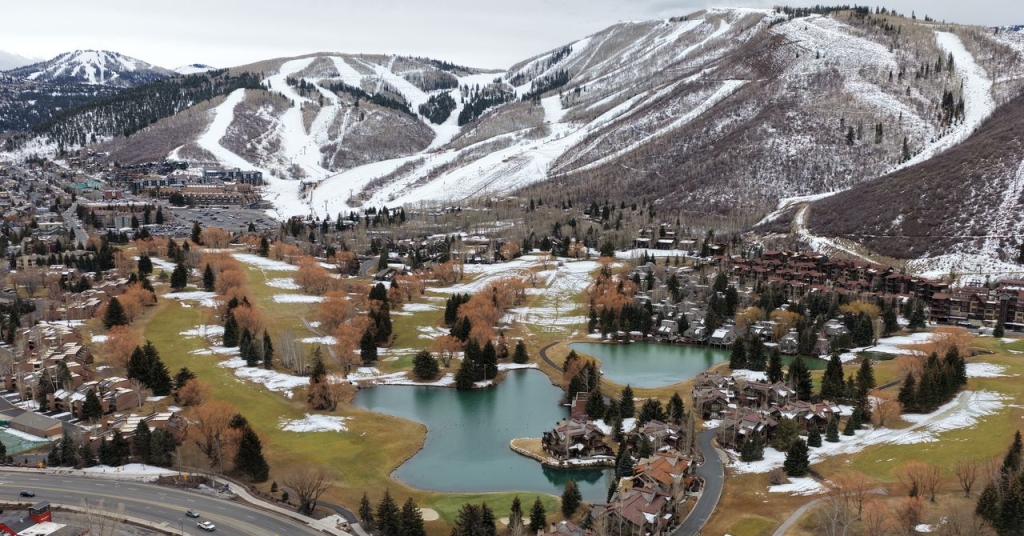
Western States Face Unprecedented Snowpack Crisis as Drought and Wildfire Risks Surge
A sprawling snow drought is gripping the American West, threatening to ignite a cascade of ecological and political crises as states struggle to manage dwindling water supplies in the face of climate change.
Record-Low Snowpack Across the West
As of February 12, snowpack levels across nine Western states have plummeted to less than half their normal levels, according to data from the US Department of Agriculture. This widespread deficit represents one of the most severe snow droughts in decades, stretching from the bottom of Washington through much of Arizona and New Mexico, and extending as far east as Colorado.
“What makes this particularly concerning is the geographic breadth of the deficit,” explains Daniel Swain, climate scientist at the University of California Agriculture and Natural Resources. “While it’s not uncommon for individual basins to experience low snowpack at this time of year, the fact that we’re seeing such widespread deficits across multiple states simultaneously is unprecedented.”
The timing couldn’t be worse. With February approaching, the window for snow accumulation is rapidly closing. “If this were November, these numbers might be less meaningful,” Swain notes. “But we’re heading toward mid-February, when snowpack levels should be at their peak. Being at half of normal means the absolute deficit is enormous.”
A Winter of Extremes
While much of the East Coast has endured freezing temperatures in early 2025, Western states have experienced their warmest winters on record. Parts of Colorado saw temperatures approaching 80 degrees Fahrenheit in early February, while Nevada’s Reno recorded one of its warmest starts to winter.
This temperature inversion has created a paradoxical situation: many areas have received near-average precipitation, but with temperatures too warm for snow to accumulate or persist. “In some places, we don’t have a traditional drought—what we’ve got is a snow drought,” Swain explains. “Precipitation has been near or above average, but record warmth has driven a complete decimation of the existing snowpack.”
Even at elevations of 7,000 to 9,000 feet, precipitation has fallen as rain rather than snow, fundamentally altering the region’s water storage capacity. This shift from snow to rain represents a critical change in how Western watersheds function, as rain runs off immediately rather than being stored as snowpack that gradually melts through spring and summer.
Climate Change’s Role in the Crisis
A landmark study released last year by Dartmouth researchers found that climate change has reduced snowpack levels across the Northern Hemisphere by approximately 20% over the past 40 years. The research attributes this decline primarily to rising temperatures that push precipitation from snow to rain and accelerate snowmelt.
The implications extend far beyond simple water shortages. Forests with inadequate snowpack dry out faster and become significantly more vulnerable to wildfires during the hot season. This creates a dangerous feedback loop: wildfire-ravaged forests absorb more sunlight and retain less moisture, causing snow to melt faster in subsequent years.
Recent research has shown that burned areas experience accelerated snowmelt compared to healthy forests, potentially extending the fire season and reducing water availability for communities downstream. The relationship between snowpack, forest health, and fire risk has become increasingly complex as climate change intensifies these interconnections.
The Colorado River Basin: A Political Time Bomb
The snowpack crisis comes at a particularly fraught moment for the Colorado River Basin, which supplies water to 40 million people across seven Western states. States have been racing unsuccessfully against a deadline to agree on terms for sharing water in the basin, with negotiations becoming increasingly contentious as supplies dwindle.
“The potential for this snowpack deficit to worsen both the ecological and political crisis on the Colorado Basin cannot be overstated,” Swain warns. “We’re looking at a situation where water scarcity could trigger interstate conflicts at the same time that ecological systems are under severe stress.”
The Colorado River system depends heavily on Rocky Mountain snowpack to recharge reservoirs like Lake Mead and Lake Powell. With current snowpack levels at historic lows, these reservoirs face another year of declining levels, potentially triggering mandatory water restrictions and forcing difficult political compromises.
Implications for Water Supply and Agriculture
Much of the West’s water supply is effectively “set” during the winter months. Snowpack that accumulates in cold months gradually melts during spring, feeding streams, rivers, and reservoirs that supply cities, farms, and ecosystems throughout the dry summer months.
Current conditions threaten this delicate balance. With snowpack at record lows, spring runoff will be severely reduced, potentially leading to water shortages for major metropolitan areas including Los Angeles, Phoenix, Denver, and Las Vegas. Agricultural regions that depend on Colorado River water for irrigation face potential crop losses and economic disruption.
The crisis also raises questions about long-term water management strategies. Traditional approaches based on historical snowpack patterns may no longer be reliable as climate change alters precipitation patterns and temperatures. Water managers are increasingly forced to consider scenarios that would have been unthinkable just decades ago.
The Wildfire Connection
The relationship between snowpack levels and wildfire risk is direct and well-established. Low snowpack means drier forests entering the fire season, reduced soil moisture, and earlier spring runoff that extends the period of high fire danger.
“When forests don’t receive adequate moisture from melting snowpack, they become tinder-dry by summer,” explains Swain. “Combined with higher temperatures and potentially stronger winds, this creates perfect conditions for catastrophic wildfires.”
The 2020 wildfire season, which saw unprecedented destruction across California, Oregon, and Washington, occurred during a year with below-average snowpack. While no single factor causes wildfires, the correlation between snowpack levels and fire severity has become increasingly clear as climate change intensifies both phenomena.
Is There Still Hope?
Despite the grim outlook, Swain emphasizes that it’s still early enough in the season for significant storms to help replenish snow levels in some areas. “We could still see substantial snowfall that would improve conditions, particularly in higher-elevation areas,” he says.
However, the accumulated deficit is so large that even near or somewhat above-average snowfall for the remainder of February might only maintain typical accumulation rates rather than erasing the existing shortfall. The mathematical reality is sobering: catching up would require snowfall significantly above historical averages across a broad geographic area.
Climate models suggest that while individual winter storms remain possible, the overall trend toward warmer, drier conditions in the West is likely to continue. This raises difficult questions about adaptation strategies and the long-term viability of current water management systems.
Looking Ahead: Adaptation and Resilience
The current snowpack crisis serves as a stark reminder that Western states must fundamentally rethink their approach to water management, wildfire preparedness, and climate adaptation. Traditional infrastructure designed for a different climate regime may no longer be adequate.
Potential adaptation strategies include:
- Expanding water storage capacity to capture precipitation during wet years
- Implementing more aggressive water conservation measures in urban and agricultural areas
- Investing in forest management practices that improve resilience to both drought and fire
- Developing new agricultural techniques that require less water
- Creating interstate agreements that reflect the new reality of water scarcity
The snowpack crisis also highlights the urgent need for greenhouse gas emissions reductions to mitigate the worst impacts of climate change. While adaptation is necessary, preventing further warming remains crucial for the long-term sustainability of Western water systems.
Conclusion
The Western snowpack crisis represents more than just a temporary weather anomaly—it’s a manifestation of the profound changes occurring in the region’s climate system. As states grapple with record-low snowpack levels, the interconnected challenges of water scarcity, wildfire risk, and political conflict are coming into sharp focus.
The coming months will be critical in determining whether this winter represents an extreme outlier or the beginning of a new normal. Either way, the crisis underscores the urgent need for comprehensive climate action and adaptation strategies that can help the West navigate an increasingly uncertain hydrological future.
Tags: Western drought, snowpack crisis, Colorado River, climate change impacts, wildfire risk, water scarcity, Western states emergency, snow drought, ecological crisis, political conflict over water, adaptation strategies, climate resilience, hydrological future
Viral Sentences:
- “The West is running out of snow, and that’s a bigger problem than you think.”
- “Record warmth is stealing our water before it even hits the ground.”
- “This isn’t just a drought—it’s a fundamental reshaping of the Western landscape.”
- “When the snow disappears, everything else follows.”
- “The Colorado River is running dry, and states are fighting over the last drops.”
- “Climate change isn’t coming—it’s already here, and it’s melting our future.”
- “Western states face a choice: adapt or perish.”
- “The snowpack crisis is a ticking time bomb for 40 million Americans.”
- “We’re not just losing water—we’re losing our way of life.”
- “The West’s water wars are about to get a lot more intense.”
,


Leave a Reply
Want to join the discussion?Feel free to contribute!