
This YouTube experiment may be why you’re not getting all of your notifications
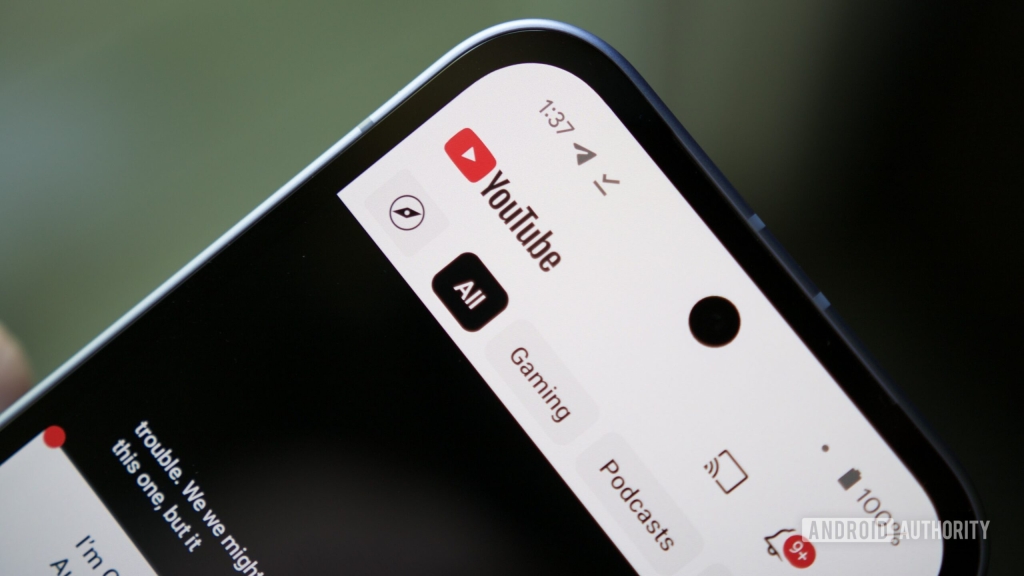
YouTube’s Bold New Experiment Could Change How You Get Notifications Forever
In a move that’s sending shockwaves through the creator community, YouTube is quietly testing a feature that could dramatically alter how millions of users receive notifications from their favorite channels. If you’re someone who relies on those little red notification badges to stay updated on your subscriptions, you might want to pay close attention.
The Notification Nightmare: Why YouTube Is Making This Change
Let’s face it – we’ve all been there. You subscribe to a channel, click that bell icon, and select “All” notifications because you absolutely cannot miss their content. Fast forward a few weeks or months, and suddenly your phone is buzzing every hour with updates from channels you haven’t actually watched in ages. The result? Many users simply throw their hands up and disable notifications entirely, which hurts both creators and the platform.
YouTube has identified this exact problem and is now testing a solution that’s both clever and controversial. The experiment targets users who have notifications set to “All” for channels they’ve essentially ghosted. If you haven’t engaged with a channel recently – meaning you haven’t watched, liked, or commented on their content – YouTube will stop sending you push notifications for that channel, even though you still have “All” notifications selected.
How This Actually Works (And What It Means for You)
Here’s the breakdown of what’s happening: If you’ve subscribed to a channel and set notifications to “All,” but you haven’t actually watched any of their recent videos or interacted with their content, YouTube will assume you’re no longer interested and will stop sending push notifications to your phone or device. However, and this is crucial, these notifications won’t disappear entirely. They’ll still appear in your YouTube notification inbox within the app, and the videos will continue to show up in your Subscriptions feed on both desktop and mobile.
The key distinction here is that this only affects push notifications – those immediate alerts that pop up on your screen. Your ability to see and access the content remains completely intact. You just won’t be interrupted by notifications for channels you’re not actively engaging with.
The Silver Lining: Not All Channels Are Affected
Before you panic about missing content from your favorite creators, YouTube has built in some important exceptions. Channels that upload infrequently – think those special occasions when your favorite artist drops a new album or a filmmaker releases a feature-length documentary once a year – won’t be affected by this experiment. YouTube recognizes that some channels have legitimate reasons for not posting regularly, and they don’t want to penalize creators or viewers in these situations.
Additionally, if you’re actively engaging with a channel – watching their videos regularly, liking their content, leaving comments – you’ll continue to receive all notifications as normal. This experiment is specifically targeting the “set it and forget it” mentality that many users have adopted with their notification settings.
The Bigger Picture: YouTube’s Strategy to Keep Users Engaged
This experiment reveals something fascinating about YouTube’s long-term strategy. The platform is essentially trying to create a more intelligent notification system that adapts to your actual behavior rather than your stated preferences. It’s a bold move that acknowledges a fundamental truth: what people say they want and what they actually engage with are often two very different things.
By implementing this system, YouTube hopes to prevent the cascade effect where users become overwhelmed by notifications, disable them entirely, and then miss out on content they might actually care about. It’s a delicate balance between respecting user preferences and ensuring that the notification system remains useful rather than annoying.
What Creators Need to Know
For content creators, this experiment could have significant implications. If your audience has notifications set to “All” but isn’t actively engaging with your content, they may stop receiving push notifications altogether. This could potentially impact your view counts and overall engagement metrics.
However, there’s a silver lining for creators who produce quality, engaging content. If your videos are compelling enough to drive actual engagement – not just passive subscriptions – you’ll continue to reach your audience through notifications. This experiment essentially rewards creators who build genuine connections with their audience rather than those who simply accumulate subscribers.
The Future of YouTube Notifications
While this is currently just an experiment, it could signal a broader shift in how YouTube approaches user notifications. If successful, we might see this feature rolled out more widely, potentially with additional customization options that give users even more control over their notification experience.
The experiment also raises interesting questions about user agency and platform control. How much should platforms like YouTube curate our experience based on our behavior? Is it helpful to have the system make assumptions about our interests, or should users have complete control over their notification settings?
What You Can Do Right Now
If you’re concerned about potentially missing content from your favorite channels, there are a few steps you can take:
- Regularly audit your subscriptions – Unsubscribe from channels you’re no longer interested in.
- Engage actively with content you care about – Watch videos, like them, leave comments. This signals to YouTube that you want to continue receiving notifications.
- Check your notification inbox – Even if you stop receiving push notifications, you can still find all your updates in the YouTube app’s notification center.
The Bottom Line
YouTube’s notification experiment represents a fascinating attempt to solve a real problem in the digital age: notification fatigue. By using engagement data to determine which notifications are actually valuable to users, YouTube is trying to create a more personalized and less overwhelming experience.
Whether this experiment will be successful remains to be seen, but one thing is clear: the way we interact with content notifications is evolving. As platforms continue to gather more data about our behavior, we can expect to see more intelligent, adaptive notification systems that aim to deliver exactly what we want, exactly when we want it.
For now, the best strategy is simple: engage with the content you love, and YouTube will make sure you don’t miss out. After all, in the world of endless digital content, the channels that truly matter are the ones you actively choose to watch.
Tags & Viral Phrases:
YouTube notification experiment, push notifications stopped, why am I not getting YouTube notifications, YouTube bell icon changes, creator engagement metrics, notification fatigue solution, YouTube algorithm updates, subscription notifications not working, YouTube app notification settings, content creator impact, digital engagement strategies, platform notification control, user behavior tracking, YouTube community updates, viral tech news 2025, social media notification changes, content consumption habits, YouTube platform experiments, notification inbox vs push alerts, creator-audience relationship, tech platform policy changes, digital content discovery, YouTube user experience, notification management tips, platform engagement optimization.
,

Leave a Reply
Want to join the discussion?Feel free to contribute!