
10,000-Year-Old Symbols And Art Found in Egyptian Rock Formation : ScienceAlert
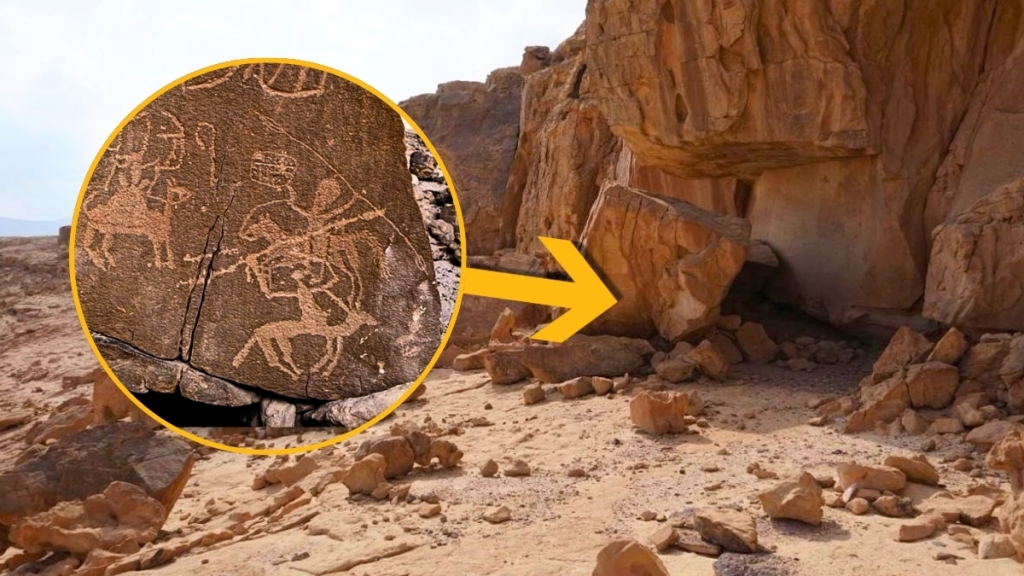
Ancient Egyptian Rock Art Discovery Rewrites 10,000-Year History
In a groundbreaking archaeological revelation that’s sending shockwaves through the scientific community, researchers have uncovered a breathtaking 10,000-year-old rock art site in Egypt’s Sinai Peninsula that’s being hailed as “an open-air natural museum” of human civilization.
The extraordinary discovery, announced by Egypt’s Ministry of Tourism and Antiquities, was made at the Umm Irak Plateau and features an astonishing 100-meter-long rock formation adorned with diverse carvings that trace humanity’s artistic evolution from prehistoric times through the Islamic era. This isn’t just another archaeological find—it’s a time capsule that captures the very essence of human expression across millennia.
According to Hisham El-Leithy, Secretary General of the Supreme Council of Antiquities, the site’s chronological diversity makes it truly exceptional. The natural rock shelter’s ceiling is covered with vivid red pigment drawings depicting animals, symbols, and even inscriptions in both Arabic and the ancient Nabataean language. These aren’t random scratches—they’re deliberate artistic statements that reflect the lifestyles, beliefs, and economic activities of early human communities.
What makes this discovery particularly fascinating is the evidence of continuous human occupation. Inside the shelter, researchers found animal droppings, stone partitions, and hearth remains that confirm this wasn’t just a passing stop for ancient travelers—it was a long-term refuge that witnessed the rise and fall of multiple civilizations. Tourism and Antiquities Minister Sherif Fathi emphasized that these findings provide “further evidence of the succession of civilizations that have inhabited this important part of Egypt over the millennia.”
The artistic sophistication on display is remarkable. Some engravings clearly depict hunting scenes, domesticated animals, and symbolic representations that offer unprecedented insights into how these ancient communities understood their world. The presence of both prehistoric and Islamic-era artwork in the same location creates a unique narrative thread that spans thousands of years of human development.
This discovery comes at a crucial time for Egypt, which is currently undertaking a massive tourism development project in the region, particularly focused on the nearby mountain town of Saint Catherine—a UNESCO World Heritage site. While the project aims to boost mass tourism, it also raises important questions about preserving both the archaeological treasures and the rights of the local Bedouin communities who have called this land home for generations.
The significance of this find extends far beyond Egypt’s borders. It provides crucial evidence about human migration patterns, artistic development, and cultural exchange in one of the world’s most historically significant regions. As researchers continue to study and document the site, we can expect even more revelations about our shared human heritage.
Tags: #Archaeology #Egypt #RockArt #AncientHistory #SinaiPeninsula #HumanCivilization #PrehistoricArt #UNESCO #Bedouin #TourismDevelopment
Viral Phrases: “Rewriting history books,” “Time capsule of human expression,” “Open-air museum of civilization,” “10,000 years of artistic evolution,” “Archaeological bombshell,” “Ancient secrets revealed,” “Civilization’s artistic journey,” “Rock art that changed everything,” “Egypt’s hidden treasure,” “Millennia of human stories”
,


Leave a Reply
Want to join the discussion?Feel free to contribute!