
Trump Affiliates Bannon and Epshteyn Named in ‘Let’s Go Brandon’ Crypto Coin Lawsuit
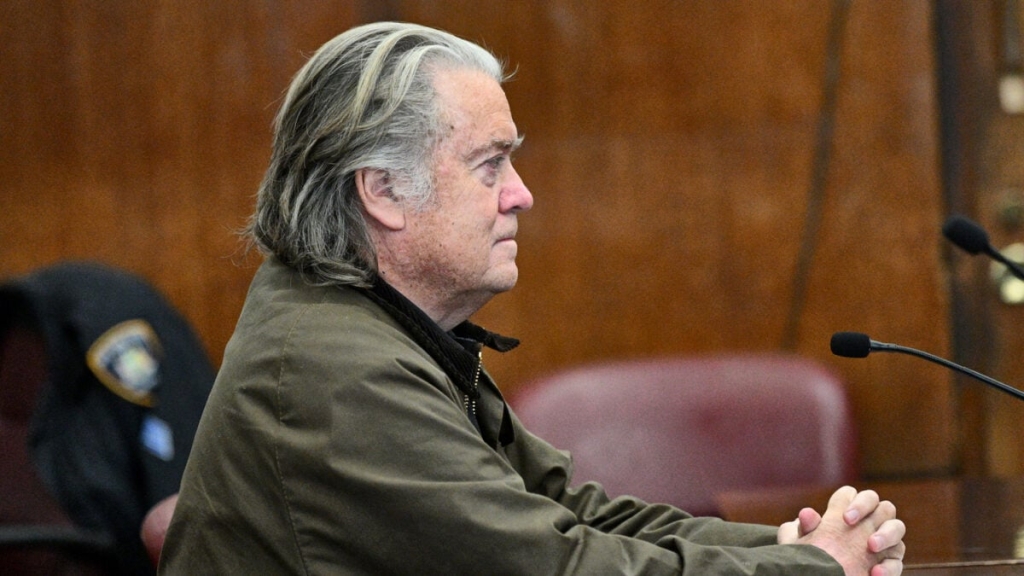
Steve Bannon and Boris Epshteyn Named in Explosive Class-Action Lawsuit Over Let’s Go Brandon Coin Fraud Allegations
In a stunning legal development that’s sending shockwaves through both the political and cryptocurrency worlds, former Trump strategist Steve Bannon and Trump advisor Boris Epshteyn have been named as defendants in a major class-action lawsuit alleging massive fraud involving the controversial “Let’s Go Brandon Coin” cryptocurrency project.
The bombshell lawsuit, filed in federal court and recently published by Bloomberg Law, accuses Bannon, Epshteyn, and other defendants of orchestrating what plaintiffs describe as a sophisticated scheme to exploit politically-aligned investors through an unregistered, speculative cryptocurrency token.
The Allegations: A “Deliberate” Scheme to Exploit Political Trust
According to court documents, the defendants allegedly targeted “a politically aligned and deeply loyal audience—individuals who trusted Defendants’ judgment, motives, and commitment to shared values.” The lawsuit claims this trust was weaponized to promote what was marketed as a “serious financial project” but was actually a highly speculative memecoin.
The filing states that Bannon and Epshteyn encouraged their followers to invest in the token as a way to “participate in a broader movement,” exploiting the deep political divisions and tribal loyalties that characterize contemporary American politics. The defendants allegedly portrayed the cryptocurrency as offering “financial independence and community membership” while concealing its true speculative nature.
Centralized Control Despite Decentralization Claims
Perhaps most damningly, the lawsuit alleges that despite repeated claims that Let’s Go Brandon Coin was decentralized and “uncancellable,” the defendants maintained centralized control over the token through its smart contract. This allegedly included the ability to freeze user funds—a power that was reportedly exercised despite promises of financial freedom and censorship resistance.
Previous reporting from Protos indicates the token was originally launched on Binance Smart Chain, the blockchain network associated with the global cryptocurrency exchange Binance, rather than the more commonly associated Solana platform that has become synonymous with memecoin trading.
Securities Violations in the Trump Era
The allegations of securities violations are particularly noteworthy given the dramatic shift in cryptocurrency policy under the Trump administration. Bannon, who served as chief executive of Trump’s 2016 presidential campaign and as chief strategist in his first administration, and Epshteyn, who has been a senior advisor since the 2016 campaign and remains in Trump’s inner circle, are now facing serious legal exposure at a time when the administration has taken a notably crypto-friendly stance.
The lawsuit emphasizes that “the securities laws exist precisely to prevent influential insiders from exploiting trust, obscuring material facts, and shifting risk onto retail investors without transparency or registration.” This legal action seeks to hold the defendants accountable for what plaintiffs characterize as a clear violation of these fundamental protections.
Context: A Broader Crypto Accountability Movement
This lawsuit emerges against the backdrop of growing scrutiny of celebrity and political figure involvement in cryptocurrency projects. The allegations mirror those faced by other high-profile figures in the crypto space, including the “Hawk Tuah” girl and numerous promoters of Solana-based tokens launched on platforms like Pump.fun.
The timing is particularly significant given recent developments in crypto regulation. Last year, the SEC issued guidance suggesting that memecoins should not typically be regarded as securities, a position that has raised concerns among consumer advocates and political opponents who fear it creates a regulatory loophole for bad actors.
House Democrats have already written to the SEC expressing concerns about potential corruption and “pay-to-play” schemes involving cryptocurrency during Trump’s second term. These concerns have been amplified by the pardon of Changpeng Zhao, former CEO of Binance, and the involvement of figures like TRON founder Justin Sun in Trump-affiliated crypto ventures.
The Trump Crypto Connection
Adding another layer of complexity, both President Trump and First Lady Melania Trump launched their own memecoins, which have both plummeted more than 95% from their all-time highs. This personal involvement in cryptocurrency ventures has intensified scrutiny of the administration’s crypto policies and raised questions about potential conflicts of interest.
The crypto industry is currently pushing for regulatory clarity through the proposed CLARITY Act, which would provide comprehensive framework for digital asset regulation. However, the legislation has hit significant roadblocks, with crypto exchange giant Coinbase withdrawing support for a draft version of the bill last month. Prediction markets currently give the legislation a 52% chance of passage this year, reflecting the uncertainty surrounding crypto regulation in the current political climate.
Legal Precedent and Industry Impact
This lawsuit could establish important legal precedent regarding the liability of political figures and influencers who promote cryptocurrency projects to their followers. If successful, it may signal to other political figures and celebrities that they cannot simply leverage their platforms and trust relationships to promote speculative investments without facing potential legal consequences.
The case also highlights the ongoing tension between the crypto industry’s push for deregulation and the need to protect retail investors from fraudulent schemes. As cryptocurrencies continue to gain mainstream adoption, the resolution of cases like this will likely shape the future regulatory landscape and determine how political figures can engage with the digital asset space.
For now, Bannon, Epshteyn, and the other defendants face the prospect of a lengthy legal battle that could have significant implications not just for their personal fortunes, but for the broader relationship between politics, celebrity, and cryptocurrency in America.
SteveBannon #BorisEpshteyn #LetsGoBrandonCoin #CryptoFraud #ClassActionLawsuit #PoliticalCorruption #MemecoinScandal #CryptoRegulation #TrumpCrypto #SecuritiesViolations #FinancialFraud #PoliticalExploitation #CryptocurrencyScandal #PoliticalCryptocurrency #CryptoAccountability #BannonLawsuit #EpshteynLawsuit #CryptoJustice #PoliticalMemecoins #SECInvestigation #CryptoCorruption #PoliticalFraud #DigitalAssetScandal #CryptoExploitation #PoliticalTrustBetrayed #CryptoAccountabilityNow #PoliticalCryptoScandal #MemecoinFraud #CryptoLegalBattle #PoliticalCryptocurrencyFraud #BannonCrypto #EpshteynCrypto #CryptoClassAction #PoliticalInvestmentFraud #CryptoExploitationScandal #PoliticalCryptoCorruption #CryptoTrustBetrayed #PoliticalMemecoinFraud #CryptoPoliticalScandal #BannonLegalTrouble #EpshteynLegalTrouble #CryptoPoliticalExploitation #PoliticalCryptoAccountability #CryptoFraudLawsuit #PoliticalCryptocurrencyLawsuit #CryptoPoliticalCorruption #PoliticalCryptoFraud #CryptoPoliticalScandal #PoliticalCryptoJustice
,

Leave a Reply
Want to join the discussion?Feel free to contribute!