
Why There’s Simply No Need For Dual Graphics Cards Anymore
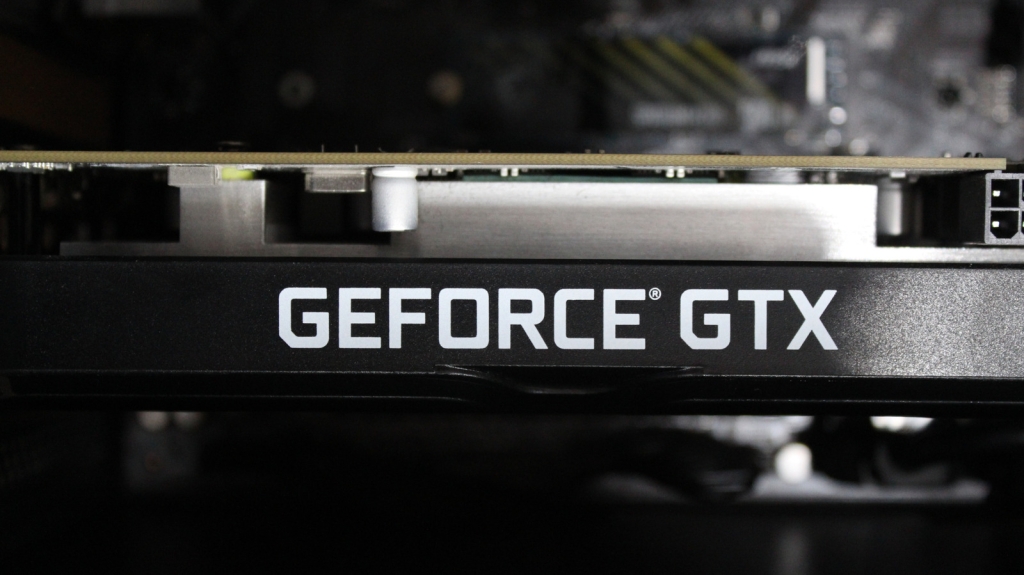
The Rise and Fall of SLI: Why Dual Graphics Cards Are Now a Relic of the Past
Once upon a time in the PC gaming world, having two graphics cards in your rig was the ultimate flex—a symbol of raw power, technical prowess, and a willingness to push the boundaries of gaming performance. This was the era of NVIDIA’s SLI (Scalable Link Interface) and AMD’s CrossFire, technologies that promised to double your graphical horsepower by linking two GPUs together. But today, dual graphics cards are as extinct as the dinosaurs, and here’s why this once-revolutionary tech faded into obscurity.
The Golden Age of SLI
Back in the early 2000s, when PC gaming was exploding in popularity, graphics cards were struggling to keep up with the demands of cutting-edge games. Enter SLI, NVIDIA’s solution to the problem. By allowing two compatible GPUs to work in tandem, SLI promised to deliver a significant boost in performance. Gamers could run games at higher resolutions, crank up the details, and enjoy smoother frame rates—all by simply adding a second graphics card to their system.
But SLI wasn’t just plug-and-play. It required a specific set of conditions to work: two identical or closely matched GPUs from the same series, a compatible motherboard with multiple PCIe slots, and a beefy power supply to handle the increased load. And let’s not forget the SLI bridge, a small but crucial adapter that physically linked the two cards together. For hardcore enthusiasts, this was all part of the fun—tinkering with hardware, tweaking settings, and pushing their systems to the limit.
The Cracks in the Armor
However, as with many things in life, the reality of SLI didn’t quite live up to the hype. While the technology worked in theory, in practice, it was often plagued by issues. One of the biggest problems was stuttering—a desynchronization between the two GPUs that could lead to uneven performance and a less-than-ideal gaming experience. Even when SLI did work as intended, the performance gains weren’t always as dramatic as users had hoped.
Another major hurdle was developer support. For SLI to work properly, games had to be specifically optimized to take advantage of the dual-GPU setup. This meant that not all games would benefit from SLI, and some might not work with it at all. As a result, many gamers found themselves investing in expensive hardware that didn’t always deliver the promised results.
The Evolution of Graphics Cards
As technology advanced, the need for dual graphics cards began to diminish. Graphics cards themselves became more powerful, with each new generation offering significant performance improvements over the last. Why buy two mid-range cards when a single high-end card could deliver better performance at a similar price point?
The cost factor also played a significant role in SLI’s decline. Not only were dual GPU setups expensive to purchase, but they also required a more robust power supply, better cooling, and a compatible motherboard—all of which added to the overall cost. As graphics cards became larger, heavier, and more power-hungry, the idea of running two of them in a single system became less appealing.
The Final Nail in the Coffin
In 2021, NVIDIA officially pulled the plug on SLI, announcing that no new SLI game profiles would be added in future software updates. This meant that even if you had an older SLI setup, it would no longer work with newer games or graphics cards. The removal of the NVLink SLI connection in the RTX 40 series was the final blow, effectively ending the era of dual graphics cards.
Today, the idea of running two GPUs in tandem seems almost archaic. Modern graphics cards are more than capable of handling the most demanding games and applications on their own, and the cost and complexity of dual GPU setups simply aren’t worth it for most users. However, that doesn’t mean your old graphics cards have to gather dust in a drawer. There are still plenty of creative uses for them, from building a media server to creating a small form factor PC for retro gaming.
The Legacy of SLI
While SLI may be dead, its legacy lives on in the world of PC gaming. It was a bold experiment that pushed the boundaries of what was possible with graphics technology, and it paved the way for the powerful, single-card solutions we have today. For those who lived through the SLI era, it will always be remembered as a time of innovation, experimentation, and the relentless pursuit of performance.
So, the next time you fire up your favorite game on a modern graphics card, take a moment to appreciate how far we’ve come—and remember the days when two GPUs were better than one.
Tags: SLI, dual graphics cards, NVIDIA, AMD CrossFire, PC gaming, graphics cards, gaming performance, hardware nostalgia, tech evolution, gaming hardware, GPU technology, retro gaming, PC building, graphics card history, gaming innovation
Viral Sentences:
- “SLI was the ultimate flex in the early 2000s—two GPUs, one goal: raw power.”
- “Why buy two mid-range cards when a single high-end card can do it all?”
- “The era of dual graphics cards is over, but their legacy lives on in modern gaming.”
- “Remember when stuttering was the price you paid for SLI glory?”
- “From SLI to RTX: How graphics cards evolved beyond dual GPU setups.”
- “Don’t throw out your old GPU—there’s still life in that old card!”
- “The death of SLI marked the end of an era in PC gaming history.”
- “Dual GPUs were cool, but single-card solutions are the future of gaming.”
- “SLI: A bold experiment that pushed the boundaries of graphics technology.”
- “The rise and fall of SLI—a tale of innovation, complexity, and obsolescence.”
,


Leave a Reply
Want to join the discussion?Feel free to contribute!