
Disneyland’s 3D-Printed Jungle Cruise Canoe: A Peek Behind the Scenes
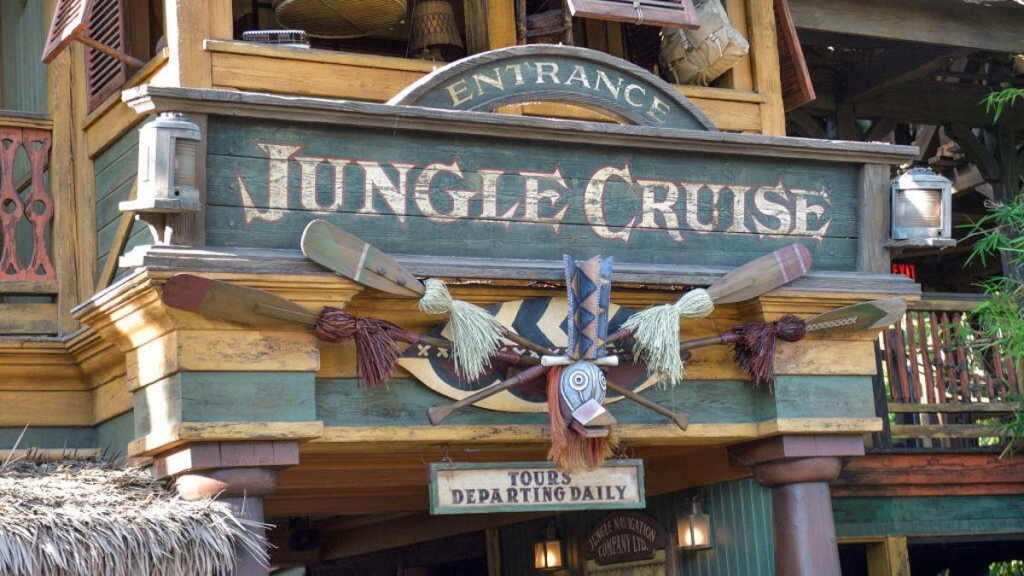
Disneyland’s Jungle Cruise Gets a High-Tech Upgrade: A 3D-Printed Canoe Prop
ANAHEIM, CA — Disneyland’s iconic Jungle Cruise is getting a futuristic makeover with the addition of a 3D-printed canoe prop, marking a significant milestone in the park’s technological evolution.
The Jungle Cruise, a beloved attraction since 1955, takes guests on a whimsical river journey through simulated Amazon, Congo, Mekong, and Nile waterways. Known for its animatronic animals and pun-filled narration from skippers, the ride has entertained millions since Walt Disney himself helped develop it. Now, Disney Imagineers are bringing this classic into the digital age with cutting-edge manufacturing techniques.
From Fiberglass to Polymer: A Manufacturing Revolution
Haddy, a Florida-based 3D-printing company founded in 2022, has installed its first boat prop in a Disney park. The company, which specializes in creating furniture and home decor items, was selected as one of four startups for the 2025 Disney Accelerator Program.
“We’re installing our first boat in a Disney park,” revealed Jay Rogers, Haddy’s co-founder and CEO, during Disney Demo Day at Walt Disney Studios in Burbank. The prop canoe has been seamlessly integrated into the Jungle Cruise experience, positioned right across from the loading dock.
The Traditional vs. 3D-Printed Process
The manufacturing efficiency is staggering. A traditional 20-foot boat made by conventional boat-makers requires approximately 1,000 human hours. The process involves designing the boat, creating and securing a master mold, repeating the mold-making process an average of 30 times per boat, and then manufacturing the parts.
By contrast, Haddy’s 3D-printing process requires only 70 robot hours. The digital-first approach allows for rapid iteration—if problems arise with the final product, designers can simply tweak the digital file and reprint, eliminating the need for entirely new molds.
Preserving the Magic While Embracing Innovation
Disney Imagineers collaborated closely with Haddy to ensure the new canoe captured the spirit of existing props. The team 3D-scanned the original boat for dimensional accuracy and referenced a 1960s photograph to recreate the authentic aesthetic.
“It’s not just faster to make, it’s faster to develop,” Rogers emphasized. The new prop maintains the whimsical charm that guests expect while offering significant advantages in production speed and material efficiency.
Beyond the Jungle Cruise: A New Era for Theme Park Manufacturing
The implications extend far beyond a single canoe. Disney’s Nick Blackburn, executive of technical business operations, sees this as a premiere project demonstrating how advanced fabrication, robotic manufacturing, and new materials can bring parks to life more effectively.
Michael Hundgen, portfolio executive creative producer at Walt Disney Imagineering, describes his team as “the tip of the spear when it comes to emerging technologies” like AI, robotics, and drones. The potential applications are vast:
- Closet doors for the new Monsters, Inc. ride at Walt Disney World
- Rock work for Star Wars: Galaxy’s Edge
- Furniture for thousands of hotel rooms across Orlando properties
- Various set pieces for attractions throughout Disney’s theme parks and cruise ships
The Environmental Advantage
Perhaps most compelling is the sustainability aspect. Unlike traditional manufacturing, 3D-printed materials can be recycled. When a prop reaches the end of its life, it can be melted down and reprinted into something new, creating a circular manufacturing process that aligns with Disney’s environmental goals.
Will Guests Notice the Difference?
The question remains: can a 3D-printed boat evoke the same feelings of nostalgia and fantasy as traditional set pieces? Early indicators suggest the answer is yes. Haddy’s 3D-printed gate at Disney Studios looks indistinguishable from wrought iron, and the intricate light fixtures in the Main Theatre were also 3D-printed creations.
CNET Senior Editor James Bricknell, an expert on 3D printing, believes the canoe will maintain all the whimsy that Imagineers can conjure while being manufactured faster and at a fraction of the cost. “You can make them look any way you like, just like the normal boats, but instead of injection molding, you can make each one individual for much less cost.”
The Future of Theme Park Design
This innovation represents more than just a manufacturing upgrade—it’s a fundamental shift in how theme parks can bring stories to life. As Hundgen notes, “We’re not just creating technology for technology’s sake; we’re doing it to help our creative teams bring the stories from the company to life.”
The transition from fiberglass-reinforced plastic to polymer pellets marks the beginning of a new chapter for Disneyland’s Jungle Cruise and potentially for theme park design as a whole. As guests float past the new 3D-printed canoe, they’ll be experiencing not just a classic attraction, but a glimpse into the future of entertainment manufacturing.
The real test will be whether visitors can tell the difference between the old props and the new. If Haddy and Disney Imagineering have succeeded, the answer will be a resounding no—the magic remains intact, enhanced by the invisible hand of advanced technology working behind the scenes.
Tags & Viral Phrases:
- Disneyland Jungle Cruise gets 3D-printed upgrade
- Disney Imagineers embrace cutting-edge 3D printing technology
- From fiberglass to polymer: The manufacturing revolution in theme parks
- 70 robot hours vs 1,000 human hours: The efficiency of 3D printing
- Can a 3D-printed boat maintain Disney’s magical whimsy?
- Sustainable manufacturing: Disney’s circular approach to theme park props
- The future of theme park design: Advanced fabrication and robotic manufacturing
- Monsters, Inc. ride gets 3D-printed closet doors
- Star Wars: Galaxy’s Edge rock work created with 3D printing
- Disney Accelerator Program backs revolutionary 3D printing startup
- Theme park manufacturing enters the digital age
- Will guests notice the difference? The invisible hand of technology
- Disney’s environmental goals met through recyclable 3D-printed materials
- The Jungle Cruise canoe: A glimpse into entertainment’s manufacturing future
,

Leave a Reply
Want to join the discussion?Feel free to contribute!