
Homeland Security reportedly sent hundreds of subpoenas seeking to unmask anti-ICE accounts
DHS Escalates Surveillance of Anti-ICE Voices, Demanding Social Media User Identities from Tech Giants
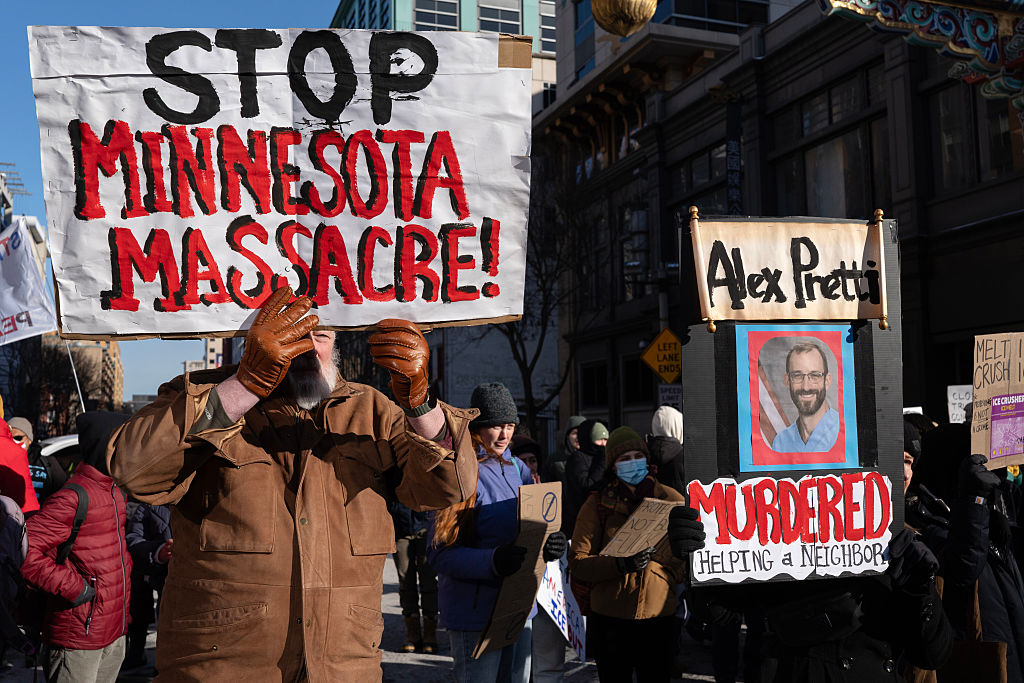
In a move that has ignited fierce debate over digital privacy, government overreach, and the boundaries of free speech, the U.S. Department of Homeland Security (DHS) has dramatically ramped up its efforts to unmask the identities behind social media accounts critical of Immigration and Customs Enforcement (ICE). According to an explosive report by The New York Times, DHS has dispatched hundreds of administrative subpoenas in recent months targeting major tech platforms including Google, Reddit, Discord, and Meta, seeking the personal information of users who have publicly criticized ICE or shared details about the locations of its agents.
This aggressive push is not an isolated incident but part of a broader, intensifying pattern of government surveillance on digital dissent. Earlier reporting by Bloomberg revealed that DHS had pursued at least five cases involving anonymous Instagram accounts critical of the Trump administration’s immigration policies. In those instances, the department attempted to compel Meta to hand over user data, only to withdraw its subpoenas after the account owners filed lawsuits. Meanwhile, The Washington Post highlighted DHS’s growing reliance on administrative subpoenas—legal tools that bypass judicial oversight entirely—to target American citizens.
The latest revelations from the Times suggest that what was once a rare practice has now become a routine weapon in DHS’s arsenal. These subpoenas are specifically aimed at accounts lacking real-name identification, focusing on those that either openly criticize ICE’s operations or disclose the whereabouts of ICE agents in the field. While the government frames these actions as necessary for national security and law enforcement, critics argue they represent a dangerous encroachment on civil liberties and the right to anonymous speech online.
Tech companies have found themselves caught in the crossfire. Google, Meta, and Reddit have reportedly complied with at least some of these requests, though their responses have been carefully measured. Google emphasized that it notifies affected users whenever possible and resists subpoenas it deems “overbroad.” Meta and Reddit have issued similar statements, underscoring their commitment to user privacy while acknowledging the legal pressures they face. Discord, however, has remained silent on the matter, raising questions about how it handles such demands.
The use of administrative subpoenas is particularly controversial because they do not require approval from a judge, unlike traditional warrants. This lack of judicial oversight has alarmed privacy advocates, who warn that it opens the door to unchecked government surveillance. The American Civil Liberties Union (ACLU) and other civil rights organizations have condemned the practice, arguing that it undermines the constitutional protections afforded to anonymous speech—a cornerstone of democratic discourse.
The timing of this crackdown is also significant. It comes amid heightened tensions over immigration enforcement, with ICE raids and deportations dominating headlines and sparking widespread protests. Social media has become a critical tool for activists, journalists, and ordinary citizens to document and share information about ICE activities. By targeting these voices, DHS is not only silencing critics but also disrupting a vital channel of public accountability.
The implications extend far beyond immigration policy. If the government can compel tech companies to unmask anonymous users simply for expressing dissent, it sets a chilling precedent for all forms of online speech. Advocates fear that this could lead to a broader crackdown on whistleblowers, journalists, and anyone who challenges official narratives. In an era where digital platforms are the primary arena for public debate, the stakes could not be higher.
As the debate rages on, one thing is clear: the battle over digital privacy and free speech is far from over. With DHS showing no signs of backing down, tech companies, civil liberties groups, and the public will need to remain vigilant. The question now is not just who will be targeted next, but how far the government is willing to go in its quest to control the narrative—and at what cost to the fundamental rights that define a free society.
Tags: DHS, ICE, social media, surveillance, privacy, administrative subpoenas, anonymous speech, tech companies, Google, Meta, Reddit, Discord, free speech, civil liberties, immigration, government overreach, digital rights, whistleblowers, activists, online dissent, judicial oversight, ACLU, Trump administration, immigration enforcement, public accountability, chilling effect, constitutional rights, digital privacy, online activism, government transparency, social media monitoring, user data, national security, public debate, digital platforms, online speech, civil rights, government accountability, privacy advocates, online anonymity, digital dissent, government surveillance, tech industry, user privacy, online freedom, digital freedom, speech protection, government transparency, digital rights advocacy, online privacy, government accountability, digital surveillance, online activism, digital freedom, speech protection, government transparency, digital rights advocacy, online privacy, government accountability, digital surveillance.
,
Leave a Reply
Want to join the discussion?Feel free to contribute!