
Scientists Are ‘Sniffing’ Ancient Egyptian Mummies. Here’s Why. : ScienceAlert
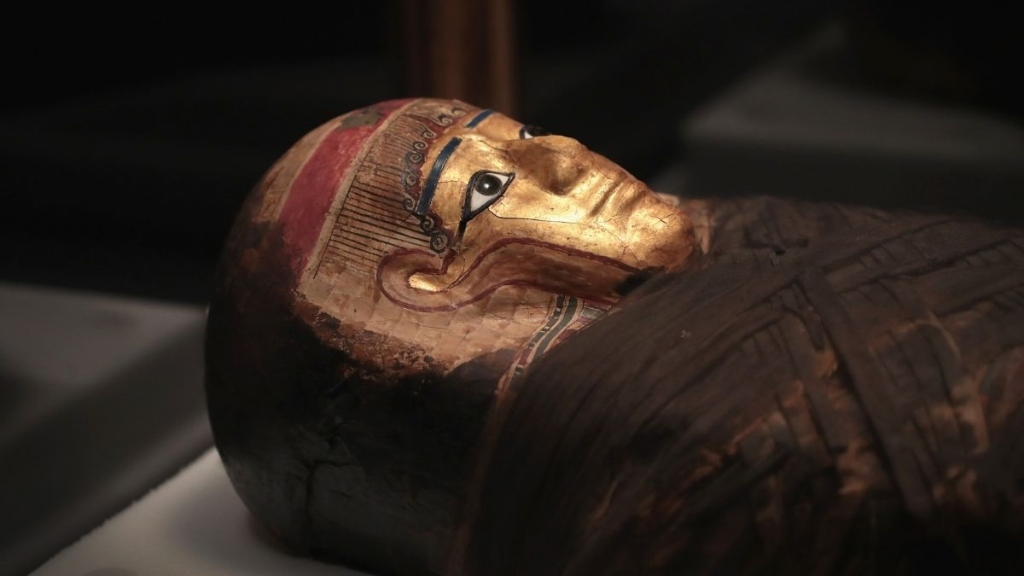
In a groundbreaking blend of archaeology and cutting-edge chemistry, researchers from the University of Bristol have uncovered the ancient secrets hidden within Egyptian mummies—not by unwrapping them, but by simply “sniffing” the air around them. This pioneering technique, which analyzes volatile organic compounds (VOCs) emitted by mummies, is revolutionizing how scientists study these millennia-old remains, offering a non-invasive glimpse into the sophisticated embalming practices of ancient Egypt.
For centuries, the only way to understand the chemical makeup of mummification agents was to physically cut into the bandages, dissolve them, and analyze the resulting mixture. This destructive method risked damaging priceless artifacts and often destroyed the very molecules researchers sought to study. Now, thanks to advances in molecular analysis, scientists can capture the invisible vapors surrounding mummies—revealing their secrets without ever touching the bandages.
The process is as fascinating as it is innovative. Researchers placed small samples of resin, bandages, and even human tissue from 19 mummies—dating from around 2000 BC to 295 AD—into sealed chambers. These samples “breathed,” releasing VOCs that had lingered for thousands of years. Using gas chromatography and mass spectrometry, the team identified specific molecules, mapping out the exact ingredients used in ancient embalming recipes.
The results were astonishing. The scents of these mummies—described as woody, spicy, and sweet—were not just byproducts of decay but clues to the materials used in their preservation. Fats, oils, beeswax, plant resins, and bitumen were the most common components, but the study also revealed how these recipes evolved over time. Early Egyptian embalmers favored simpler mixtures of fats and oils, while later periods saw the introduction of more exotic and costly ingredients like pine, juniper, and cedar resins, as well as bitumen.
This shift in embalming practices reflects broader changes in ancient Egyptian society, including trade networks, economic prosperity, and religious beliefs. The use of aromatic spices and resins was not just practical—it was deeply symbolic. In Egyptian mythology, scent played a vital role in the afterlife, with fragrant materials believed to protect the deceased from decay and guide their souls to the next world.
The implications of this research extend far beyond the realm of archaeology. By providing a non-destructive method for analyzing mummies, VOC analysis could become a standard tool for museums and researchers worldwide. It offers a way to study these ancient artifacts without compromising their integrity, opening the door to new discoveries about ancient cultures, trade routes, and even climate conditions.
As the University of Bristol team notes, this technique could also serve as a rapid, preliminary screening method, helping researchers decide which mummies warrant more detailed, time-consuming analysis. In a field where every sample is precious, this approach could save countless artifacts from unnecessary damage.
The study, published in the Journal of Archaeological Science, is a testament to the power of interdisciplinary collaboration. By combining the expertise of organic geochemists, archaeologists, and museum curators, the team has unlocked a new dimension of understanding about one of history’s most fascinating civilizations.
As we continue to uncover the mysteries of ancient Egypt, one thing is clear: the secrets of the past are not always hidden beneath layers of cloth or stone. Sometimes, they linger in the air, waiting to be discovered by those with the curiosity—and the technology—to find them.
Tags: Ancient Egypt, Mummies, Embalming, Volatile Organic Compounds, Archaeology, Chemistry, Non-invasive Analysis, Egyptian Mythology, Preservation Techniques, Museum Science
Viral Sentences:
- “Scientists are ‘sniffing’ ancient Egyptian mummies to unlock secrets of their embalming.”
- “The scent of eternity: How VOCs are revolutionizing mummy research.”
- “From woody to spicy: The surprising aromas of ancient Egypt’s dead.”
- “A breath of history: Non-invasive techniques reveal mummy mysteries.”
- “The invisible clues that tell the story of Egypt’s mummification craze.”
,


Leave a Reply
Want to join the discussion?Feel free to contribute!