
Spaceflight Can Alter The Position of The Human Brain, Study Finds : ScienceAlert
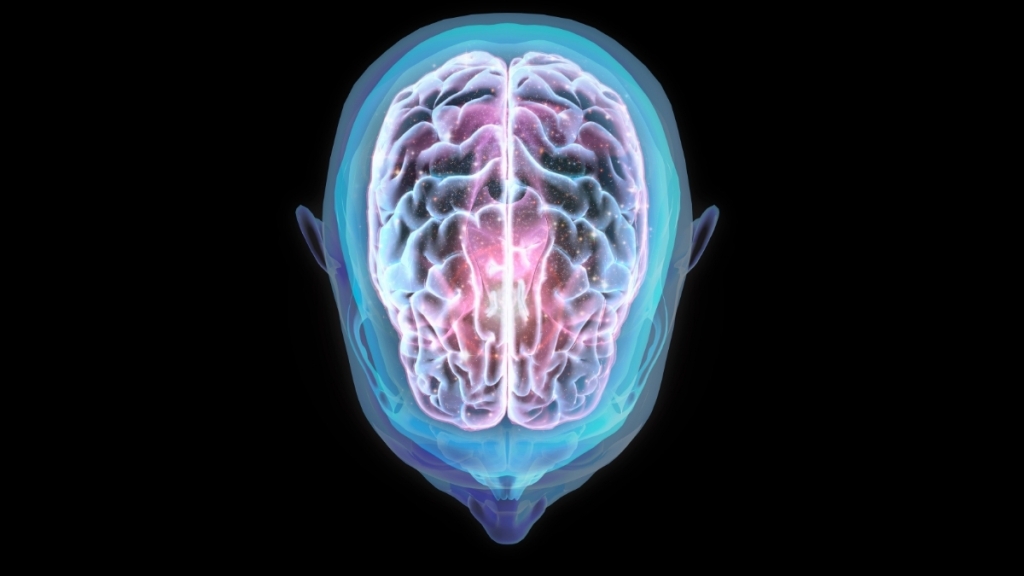
Title: Brain Shifts Upward and Backward in Space, New Study Reveals Surprising Findings
Subtitle: Microgravity Deforms the Brain, Raising Questions for Long-Duration Missions
Houston, We Have a Brain Shift
Living and working in space might sound like a dream, but it turns out your brain doesn’t exactly enjoy the ride. A groundbreaking new study from a team of neuroscientists reveals that prolonged exposure to microgravity causes the brain to shift upward and backward inside the skull—sometimes by more than 2 millimeters. That might not sound like much, but inside the tightly packed space of your head, it’s a big deal.
Led by researchers from the University of Florida, the study analyzed brain MRI scans from 26 astronauts who spent anywhere from a few weeks to over a year aboard the International Space Station. Using advanced imaging techniques, the team divided the brain into over 100 regions and tracked how each one moved relative to the skull before and after spaceflight.
What Happens to Your Brain in Space?
On Earth, gravity constantly pulls fluids in your body—including those in your brain—downward. In space, that force disappears. As a result, body fluids shift toward the head, giving astronauts that infamous “puffy face” look. But the effects go deeper—literally.
Without gravity’s downward pull, the brain floats inside the skull, experiencing new forces from surrounding tissues and bone. Earlier studies showed the brain appears higher in the skull after spaceflight, but those analyses often looked at the brain as a whole, potentially missing important details.
This new research took a closer look—and what they found was surprising. The brain consistently moved upward and backward after spaceflight, with the extent of the shift increasing the longer astronauts stayed in space. In some cases, areas near the top of the brain moved upward by more than 2 millimeters, while other regions barely shifted at all.
The Hidden Patterns No One Saw Coming
One of the most striking findings involved brain regions responsible for movement and sensation. These areas showed the largest shifts, with structures on the two sides of the brain moving toward the midline—meaning they moved in opposite directions for each hemisphere. This opposing pattern would cancel out in whole-brain averages, which is why earlier studies missed it.
“Most of the shifts and deformations gradually returned to normal by six months after return to Earth,” explained the research team. “But the backward shift showed less recovery, likely because gravity pulls downward rather than forward, so some effects of spaceflight on brain position may last longer than others.”
Why This Matters for the Future of Space Travel
NASA’s Artemis program is ushering in a new era of space exploration, with plans for longer missions to the Moon and eventually Mars. Understanding how the brain responds to microgravity is crucial for assessing long-term risks and developing countermeasures.
“Our findings don’t mean that people should not travel to space,” the researchers emphasized. “While we found that larger location shifts of a sensory-processing brain region correlated with postflight balance changes, the crew members did not experience overt symptoms—such as headaches or brain fog—related to brain position shifts.”
Still, the study raises important questions. If the brain is deforming and shifting in microgravity, what are the long-term consequences? Could these changes affect cognitive function, mood, or physical performance on extended missions?
The Science Behind the Study
The research team used magnetic resonance imaging (MRI) to capture detailed scans of astronauts’ brains before and after spaceflight. By aligning each person’s skull across scans, they could measure how the brain shifted relative to the skull itself.
“We divided the brain into more than 100 regions and tracked how each one had shifted,” said the lead researchers. “This approach enabled us to see patterns that were missed when looking at the whole brain, on average.”
The findings, published in the journal Proceedings of the National Academy of Sciences, represent the most detailed analysis to date of how spaceflight affects brain structure.
What’s Next?
As space travel expands beyond professional astronauts to include tourists and private missions, understanding these effects becomes even more critical. The research team plans to continue studying how the brain recovers after spaceflight and whether certain countermeasures—such as specialized exercise routines or equipment—could mitigate these changes.
“This is just the beginning,” said one researcher. “We’re starting to understand how the brain adapts to space, but there’s still so much we don’t know. The more we learn, the better we can prepare for the challenges of long-duration spaceflight.”
Final Thoughts
Space might be the final frontier, but it’s also a harsh environment for the human body—especially the brain. This new study sheds light on the surprising ways microgravity can reshape our most complex organ, raising important questions for the future of space exploration.
As NASA and other space agencies push the boundaries of human spaceflight, understanding these effects will be key to ensuring the safety and success of missions to the Moon, Mars, and beyond. The brain might be floating in space, but science is keeping it grounded.
Tags: space brain, microgravity effects, NASA research, brain shifts in space, astronauts health, spaceflight neuroscience, brain deformation, space exploration risks, Artemis program, human body in space, MRI brain scans, long-duration spaceflight, cognitive effects of space, space medicine, neuroscience breakthroughs
Viral Phrases: Brain floats in skull, 2mm shift matters, puffy face in space, brain moves upward and backward, microgravity mystery solved, space travel risks revealed, astronauts’ brains deform, NASA’s brain discovery, space changes your brain forever, floating brain phenomenon, space neuroscience shocker, brain recovery after space, hidden brain patterns, space travel’s secret toll, brain shifts in zero gravity, the final frontier for your brain, space brain deformation, microgravity’s hidden impact, brain in space mystery, space travel’s brain surprise
Source: Republished from The Conversation under a Creative Commons license. Read the original article here.
,

Leave a Reply
Want to join the discussion?Feel free to contribute!