
Where Do Pilots Sleep On Long-Haul Flights?
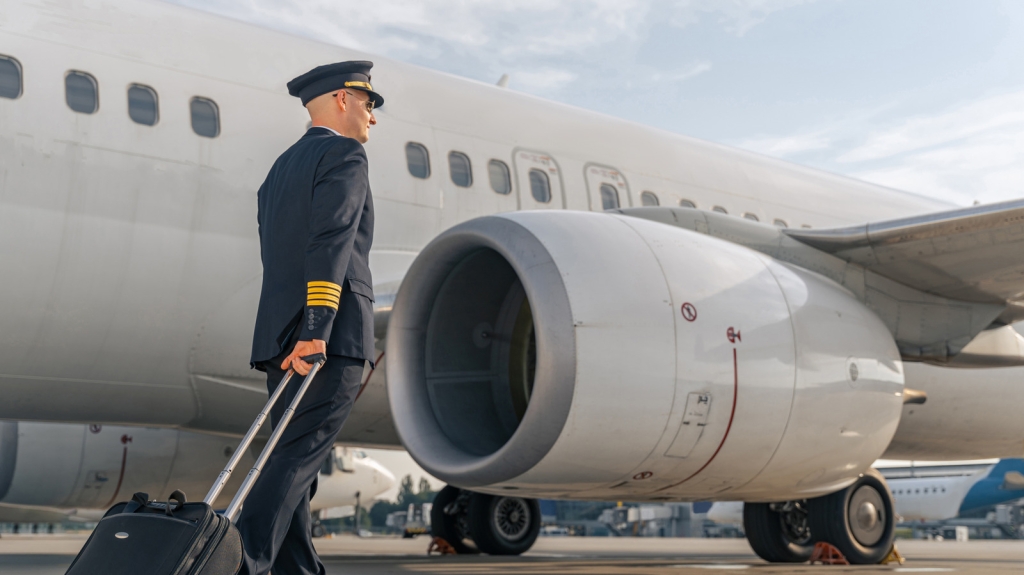
The Secret World of Pilot Rest Areas on Long-Haul Flights
When you’re preparing for a long-haul flight, you’re probably packing all the essentials: noise-canceling headphones, a neck pillow, a light-blocking eye mask, and maybe even a cozy blanket or comfortable sweater—everything you need to catch some precious sleep. But have you ever wondered about the pilots and crew? Do they get a chance to rest during those marathon flights across continents and oceans? And if so, are their accommodations more comfortable than your cramped economy seat?
The answer is a resounding yes. All major airlines operate under strict regulations that govern how long pilots can fly before mandatory rest periods kick in. These rules weren’t handed down from on high—they were forged in the crucible of tragedy. Aviation history is littered with accidents linked to pilot fatigue, including the devastating 1999 American Airlines crash in Little Rock, Arkansas, where a fatigued crew overshot the runway during landing, killing 11 people. Today’s regulations include strict limits on both the number of hours and consecutive days pilots can work, creating a safer environment for everyone on board. As a result, long-haul flights always include at least two pilots and often more, working in shifts to ensure everyone arrives safely.
While passengers are trying to catch some shut-eye with their seats reclined a few inches, widebody airplanes used for long-haul flights typically feature hidden spaces where pilots can get their mandated sleep. These crew rest compartments are strategically located depending on the aircraft type, but in newer planes they’re often perched above the main cabin, accessed through discreet doors that most passengers never notice. In older aircraft, they might be tucked away in the cargo hold or in a crew-only section of the main cabin. But no matter where these compartments are located, one thing is certain: they’re guaranteed to be more comfortable than your typical airline seat.
A Commercial Airliner’s Crew Cabins Prioritize Comfort
Considering that pilots are responsible for transporting hundreds of passengers safely across thousands of miles, it’s only fair that they get the best seat in the house when it’s time for a nap. The configuration of crew compartments varies depending on the airline, but FAA regulations ensure that these rest areas are soundproofed and located away from the noisiest parts of the plane. To keep pilots comfortable, there are even regulations governing vibrations, and the crew must be able to adjust both the lighting and temperature within their space. The bunks must measure at least 78 inches by 30 inches—significantly larger than your average economy seat—and these cabins are also required to have an area where crew members can change clothes.
These small rest areas for pilots don’t have windows, but they’re equipped with all the requisite safety gear like oxygen masks and seat belt lights. There’s also an intercom or phone system that allows resting pilots to communicate with the cockpit or other crew members at a moment’s notice. Some of these rest areas even come with the same in-flight entertainment options provided to passengers in the main cabin—though we suspect most pilots prefer to use that time for actual rest rather than catching up on the latest movies.
These small cabins aren’t the only hidden areas on a plane. Some airliners boast larger areas for crew, like the Airbus A380, which has a hidden area with 12 bunk beds for the flight crew located underneath the main cabin. Each bunk has a curtain for privacy, allowing crew to take breaks during long flights. These areas are always strictly off-limits to passengers, joining other restricted spaces like the cargo hold underneath the passenger deck, which is typically pressurized and sometimes ferries dogs or other animals in specially designed compartments.
The next time you’re on a long-haul flight, remember that while you might be struggling to get comfortable in your seat, the pilots are resting in their own private sanctuary, ready to take the controls again when needed. It’s all part of the complex choreography that keeps modern air travel safe and efficient, even when you’re crossing multiple time zones and spending half a day in the air.
Tags: #aviation #pilots #crewrest #longhaul #airplanes #flying #airlinecrew #pilotlife #aircraftdesign #flightcrew #travelhacks #avgeek #pilotrestareas #airlineindustry #flightoperations #cabincrew #pilotaccommodations #airtravel #aviationfacts #pilotcomfort
Viral Phrases: “Where pilots really sleep on long flights,” “The hidden world above your seat,” “Why pilots get better rest than you,” “Secret crew rest compartments revealed,” “The truth about pilot sleep on long-haul flights,” “What airlines don’t want you to know about pilot rest areas,” “The most comfortable seat on the plane isn’t in first class,” “Inside the secret bedrooms of commercial pilots,” “How pilots stay alert on 16-hour flights,” “The hidden luxury most passengers never see,” “Why your pilot is more rested than you,” “The truth about crew rest on international flights,” “What really happens when pilots need to sleep,” “The secret spaces airlines don’t advertise,” “How airlines keep pilots safe and rested,” “The hidden world of commercial aviation,” “Why pilot rest matters for your safety,” “The truth about long-haul flight operations,” “What pilots do when they’re not flying,” “The secret to safe long-distance air travel.”
,


Leave a Reply
Want to join the discussion?Feel free to contribute!