
Dems Want to Ban Surveillance Pricing at Big Grocery Stores
Senators Launch Bold Bid to Ban ‘Surveillance Pricing’ in Grocery Stores Amid Growing Consumer Outrage
In a dramatic move that could reshape the future of retail pricing, U.S. Senators Ben Ray Luján (D-NM) and Jeff Merkley (D-OR) have introduced groundbreaking legislation aimed at outlawing what critics call “surveillance pricing” in America’s grocery stores. The Stop Price Gouging in Grocery Stores Act of 2026 represents a direct challenge to the creeping use of artificial intelligence, facial recognition, and dynamic pricing algorithms that could be inflating grocery bills based on who you are, where you live, and even how you look.
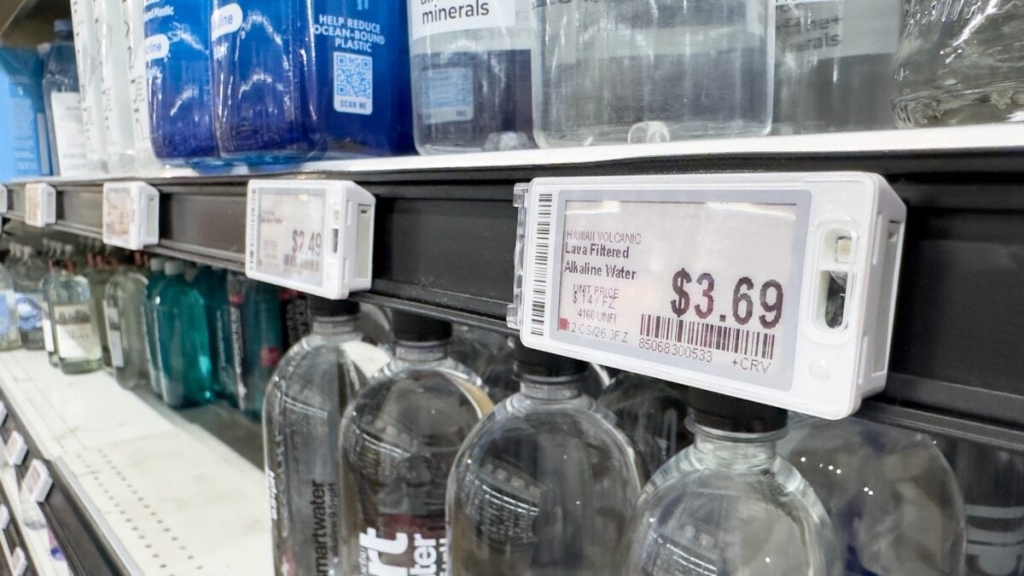
The legislation, modeled after a 2025 House bill, would require grocery stores to disclose their use of facial recognition technology and would completely ban electronic shelf labels (ESLs) in large grocery establishments. These digital price tags, which allow retailers to change prices remotely with a few keystrokes, have become the focal point of a growing national debate about fairness, privacy, and the fundamental right to consistent pricing.
The Technology Behind the Controversy
Electronic shelf labels represent a technological leap forward in retail efficiency, but they’ve also opened Pandora’s box when it comes to pricing practices. These digital displays connect to central systems that can update prices across entire stores instantly, theoretically allowing for sophisticated pricing strategies that respond to real-time conditions.
The concern isn’t just about changing prices throughout the day—it’s about the potential for hyper-personalization that could discriminate based on protected characteristics. Imagine walking down an aisle and seeing different prices than the person next to you, not because of the time of day or inventory levels, but because an algorithm has profiled you based on your appearance, shopping history, or demographic data.
Facial recognition technology, when combined with these pricing systems, creates the possibility of identifying individual shoppers and adjusting prices accordingly. A system might recognize a regular customer and offer them a loyalty discount, or conversely, identify someone with higher income indicators and charge them more for the same product.
The Evidence Mounting Against Dynamic Pricing
The alarm bells are ringing louder after a bombshell 2025 study revealed that Instacart was charging customers different prices for identical products, with some shoppers paying up to 23% more for the same items. The study sent shockwaves through the industry and sparked immediate backlash from consumer advocates and lawmakers alike.
The timing was particularly damning—just weeks after the study received widespread media attention, Instacart announced it was abandoning its AI-powered pricing experiments. The company’s swift retreat suggested that even industry leaders recognized the public relations nightmare that surveillance pricing could create.
But Instacart isn’t alone in exploring these technologies. Major retailers across the country have been investing heavily in AI and algorithmic pricing systems, viewing them as the future of retail optimization. The question lawmakers are now grappling with is whether this technological progress comes at too high a cost to consumer trust and fairness.
A Nation Struggling With Food Affordability
The timing of this legislation couldn’t be more critical. Americans are facing unprecedented challenges when it comes to putting food on the table, with grocery prices continuing to climb even as wages stagnate. The situation has been exacerbated by President Trump’s trade policies and Republican proposals to cut SNAP benefits, leaving millions of families wondering how they’ll afford basic necessities.
“In New Mexico and across the country, Americans are struggling to put food on the table,” Senator Luján stated in a press release. “With rising costs driven by President Trump’s trade war and Republican cuts to SNAP, Congress must act to ensure that technologies are being used to improve the lives of Americans, not increase their grocery bills.”
The sentiment resonates deeply with consumers who feel increasingly powerless against corporate pricing strategies. When technology that was supposed to make shopping more convenient instead becomes a tool for extracting more money from vulnerable populations, the backlash is swift and fierce.
State-Level Pushback Gains Momentum
The federal legislation follows a wave of state-level initiatives aimed at curbing surveillance pricing. At least six states have introduced bills to ban surge and surveillance pricing practices, according to the United Food and Commercial Workers International Union (UFCW), which has emerged as a powerful advocate for consumer protections in this space.
The UFCW has gone beyond traditional lobbying efforts, creating a compelling 30-second advertisement that vividly illustrates the threat of personalized pricing. The ad, which has begun circulating widely on social media, shows shoppers of different backgrounds being charged different prices for the same items, driving home the discriminatory potential of these technologies.
Lawmakers Sound the Alarm
Washington State Representative Mary Fosse has been particularly vocal about the need for immediate action. “This legislation is actually pretty simple: If two people are in the same store buying the same item, they should pay the same price,” Fosse stated in an email to supporters.
The representative’s comments highlight a fundamental principle that many Americans feel is under threat. The idea that everyone should face the same prices for the same products has long been a cornerstone of retail fairness, and the prospect of its erosion has sparked widespread concern.
“Large retailers are investing in AI, algorithms, and data systems that can change prices instantly, individually, and secretly,” Fosse continued. “We need to stop the rip-off at the register before these practices become the norm. Technology should serve workers and consumers, not exploit them.”
The Regulatory Backstory
The fight against surveillance pricing has been brewing for years, with the Biden administration taking initial steps to investigate the practice. In 2024, Federal Trade Commission Chair Lina Khan launched a comprehensive study into how surveillance pricing might be harming American consumers, recognizing the potential for widespread abuse.
However, the political winds shifted dramatically when President Donald Trump returned to office in 2025. The new administration quickly moved to kill the FTC study, effectively halting federal oversight of these emerging pricing practices. This regulatory vacuum has left states and individual lawmakers to take up the mantle of consumer protection.
The Wendy’s Backlash: A Cautionary Tale
The controversy surrounding surveillance pricing reached a fever pitch in 2024 when Wendy’s merely suggested the possibility of introducing surge pricing for its menu items. The fast-food chain’s CEO mentioned during an earnings call that the company would “begin testing more enhanced features like dynamic pricing” in 2025.
What followed was a textbook example of consumer revolt. Within days, the internet erupted in outrage, with customers threatening boycotts and competitors rushing to assure their own customers that they would never implement such practices. The backlash became so intense that Wendy’s was forced to issue denials, claiming it had never seriously considered surge pricing despite the CEO’s clear statements to the contrary.
The Wendy’s episode demonstrated just how sensitive consumers are to the idea of dynamic pricing for essential goods. When it comes to food—especially fast food that many working-class families rely on—Americans draw a hard line against practices they perceive as exploitative.
The Economic Context
The push for surveillance pricing comes at a time when American consumers are already stretched to their limits. Inflation has eroded purchasing power, housing costs have skyrocketed, and wages have failed to keep pace with the rising cost of living. In this environment, the prospect of algorithms charging different prices based on who you are feels particularly galling.
“Americans are hurting under the affordability crisis, and UFCW members see the pain in their faces every time they enter the grocery store,” said UFCW International President Milton Jones. “Our members also feel it themselves when they shop for their families.”
The union’s perspective is particularly valuable because its members work on the front lines of retail every day. They see firsthand how pricing pressures affect both consumers and workers, and they understand the delicate balance between technological innovation and fair treatment.
The Fight Ahead
The Stop Price Gouging in Grocery Stores Act of 2026 faces an uncertain path through Congress, particularly in a political environment where business interests often prevail over consumer protections. However, the growing public awareness and outrage over surveillance pricing could provide the momentum needed to push the legislation forward.
Consumer advocates argue that the time to act is now, before these practices become deeply entrenched in the retail industry. Once businesses have invested millions in surveillance pricing infrastructure, it becomes exponentially harder to roll back these systems.
The legislation represents more than just a fight over grocery prices—it’s a referendum on the role of technology in our daily lives and whether innovation should always be embraced, even when it threatens fundamental principles of fairness and equality.
Tags & Viral Phrases
- surveillance pricing
- dynamic pricing algorithms
- facial recognition technology
- electronic shelf labels
- AI-powered pricing
- grocery price gouging
- consumer privacy
- retail discrimination
- personalized pricing
- algorithmic discrimination
- food affordability crisis
- retail technology ethics
- consumer protection legislation
- grocery store surveillance
- price discrimination
- Wendy’s surge pricing controversy
- Instacart pricing study
- UFCW consumer advocacy
- grocery technology backlash
- retail AI ethics
- Stop Price Gouging Act
- grocery surveillance state
- algorithmic pricing fairness
- consumer rights technology
- retail privacy invasion
- grocery price transparency
- AI retail discrimination
- electronic price tag controversy
- grocery store technology ethics
- consumer data protection retail
- algorithmic grocery pricing
- retail surveillance capitalism
- grocery store privacy concerns
- AI-powered price discrimination
- grocery technology regulation
- consumer backlash dynamic pricing
- retail algorithmic fairness
- grocery store digital transformation
- AI grocery pricing controversy
- retail technology consumer rights
- grocery store data collection
- algorithmic price optimization
- retail privacy legislation
- grocery store AI implementation
- consumer technology protection
- retail surveillance pricing
- grocery store digital pricing
- AI retail ethics
- grocery price algorithm controversy
,

Leave a Reply
Want to join the discussion?Feel free to contribute!