
Niche Hunt — App ideas people actually want
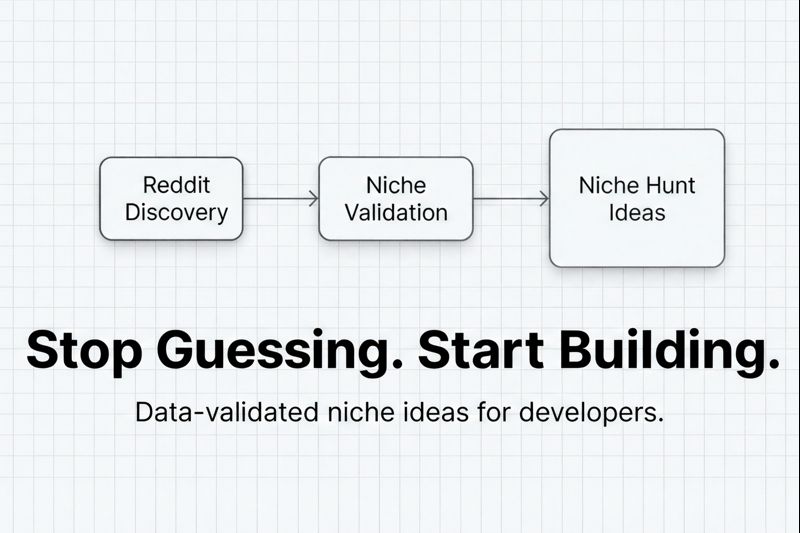
The AI App Explosion Is Coming for Your Subscriptions—And Apple Is Helping
The math is brutally simple: if building an app costs almost nothing, then cloning one costs almost nothing too. And in a world where copying is free, subscription pricing is dead.
We’re already watching this transformation play out in the numbers. Apple’s App Store received a staggering 557,000 new submissions in 2025 alone—a 24% jump from the previous year, according to data from Appfigures. This isn’t some sudden burst of human creativity. This is what happens when building an app goes from a $50,000 professional project to something you can knock out over a weekend with Claude, Cursor, or any of the other AI coding assistants flooding the market.
The Subscription Apocalypse Nobody Saw Coming
Here’s where it gets interesting—and terrifying for app developers. For apps that run entirely on your device with no backend infrastructure, subscriptions make absolutely no sense anymore. The only real cost was development, and that cost has essentially vaporized. If someone is charging $10 per month for a local PDF editor, someone else will build an identical clone and sell it for a one-time $5 fee. Then someone will make it free and monetize through ads or premium features.
Apps that require servers—think cloud sync, AI features, storage, or real-time collaboration—will still need subscriptions, but those prices are going to plummet to barely above operational costs. The same economic logic applies: when copying is trivial, you have zero pricing power.
Apple’s Surprising Bet on the AI App Flood
I initially thought Apple would tighten App Store review processes to slow down this flood of AI-generated apps. Instead, they did the opposite—they put Claude directly into Xcode. Apple isn’t just tolerating AI-generated apps; they’re actively enabling and encouraging them.
The revenue numbers tell a fascinating story. Despite the explosion in app submissions, the App Store still grew 11% in 2025, while Google Play grew 5%. There’s still massive unmet demand, especially for niche use cases that were never economically viable to build before. Lower development costs mean these long-tail markets finally get served.
The Developer’s Dilemma: Adapt or Die
This transformation sucks for developers trying to make a living from apps. The competitive pressure is going to be brutal. Imagine waking up to find five clones of your app, all slightly better, all cheaper, all built by someone who spent a weekend on them instead of six months.
But for users? It’s fantastic. People have been complaining about app subscription costs for years. There’s that old complaint that never seems to die: “Why do I have to keep paying for software after I already paid $1000 for my iPhone?”
That might actually become reality now. The era of cheap, good, and often free apps is coming—and it’s coming fast.
The question isn’t whether this will happen. The question is: are you ready for it?
AI app explosion, subscription pricing death, Apple Xcode Claude, App Store submissions 2025, AI-generated apps, developer economics, app cloning, one-time purchase apps, subscription apocalypse, niche app markets, competitive pressure developers, cheap apps future, Apple AI strategy, Appfigures data, local vs cloud apps, app development costs, software pricing revolution, mobile app economics, AI coding assistants, Cursor Claude, Xcode AI integration, app store growth, subscription model collapse, free app future, app market disruption, developer survival guide, software industry transformation, mobile app trends 2025, subscription fatigue, app cloning economics, Apple App Store strategy, Google Play growth, niche software markets, app development revolution, AI-powered development, software pricing evolution, mobile app pricing, app store economics, developer monetization crisis, software subscription death, app market saturation, AI development tools, app store submission explosion, software cost reduction, mobile app competition, app market transformation, subscription pricing failure, app development democratization, software industry disruption, app store revenue growth, AI app generation, app market future, developer revenue collapse, software pricing revolution, app subscription death, mobile app economics 2025, app store trends, AI coding future, software industry change, app market evolution, subscription model failure, app development future, software pricing collapse, app store submission growth, AI app creation, mobile app revolution, software industry transformation 2025, app market disruption 2025, subscription pricing collapse, app development democratization 2025, software pricing future, app store economics 2025, developer monetization future, app market saturation 2025, AI development revolution, software industry disruption 2025, app store growth 2025, subscription model death, app development transformation, software pricing evolution 2025, mobile app pricing future, app market transformation 2025, developer survival 2025, software industry change 2025, app market evolution 2025, subscription pricing failure 2025, app development future 2025, software pricing collapse 2025, app store submission explosion 2025, AI app generation 2025, mobile app revolution 2025, software industry transformation 2025, app market disruption 2025, subscription pricing collapse 2025, app development democratization 2025, software pricing future 2025, app store economics 2025, developer monetization future 2025, app market saturation 2025, AI development revolution 2025, software industry disruption 2025, app store growth 2025, subscription model death 2025, app development transformation 2025, software pricing evolution 2025, mobile app pricing future 2025, app market transformation 2025, developer survival 2025, software industry change 2025, app market evolution 2025, subscription pricing failure 2025, app development future 2025, software pricing collapse 2025
,


Leave a Reply
Want to join the discussion?Feel free to contribute!