
Chernobyl cooling systems have lost power but meltdown risk is low
Chernobyl Nuclear Plant Loses Power: A Delicate Balance Between Risk and Resilience
In a chilling reminder of the fragile state of Ukraine’s nuclear infrastructure amid ongoing conflict, the Chernobyl Nuclear Power Plant has suffered a complete electrical outage, taking critical cooling systems offline. This development has sent ripples of concern through the global scientific community, raising questions about nuclear safety in conflict zones.
The outage, caused by Russian military strikes on Ukrainian electrical substations, has left the facility without power for the first time since the full-scale invasion began. The International Atomic Energy Agency (IAEA) has confirmed the situation, with Director General Rafael Grossi stating on social media platform X that the agency is “actively following developments in order to assess impact on nuclear safety.”
The Science Behind the Concern
The core issue revolves around spent nuclear fuel—radioactive material that continues to generate heat long after being removed from reactors. At Chernobyl, this fuel is stored in massive cooling ponds where cold water is constantly circulated to prevent overheating. Without electricity to power these circulation systems, the water temperature begins to rise, potentially leading to increased evaporation and, in extreme scenarios, fuel overheating.
“When fuel comes out of a reactor, it’s extremely hot,” explains Paul Cosgrove, a nuclear energy expert at the University of Cambridge. “It emits radiation in the form of gamma rays, beta particles, and alpha particles—essentially releasing energy that must be continuously removed. Without proper cooling, this energy buildup could eventually cause the fuel to melt.”
The Silver Lining: Time as a Natural Decontaminant
Despite the alarming nature of the situation, there’s a crucial factor working in humanity’s favor: time itself. The fuel stored at Chernobyl isn’t fresh; it’s been cooling for decades. Reactor 2 was shut down in 1991, reactor 1 in 1996, and the final reactor in 2000. This extended cooling period has allowed much of the radioactive material to decay naturally.
“It’s always concerning when a nuclear site loses power,” notes Ian Farnan, also from Cambridge University. “However, the level of concern surrounding nuclear risks often far exceeds the actual risks posed by similar events in other contexts.”
The situation in 2026 is markedly different from 2022, when New Scientist first reported on similar power outages at the facility. Back then, the fuel was hotter and more dangerous. Today, the age of the material provides a natural buffer against immediate catastrophe.
A Pattern of Escalation
This incident isn’t isolated but rather part of a disturbing pattern of Russian actions that have systematically compromised nuclear safety in Ukraine. The occupation of Chernobyl for several weeks during the early stages of the invasion disrupted normal maintenance procedures. The seizure of the Zaporizhzhia Nuclear Power Plant—the largest in Europe—has created an ongoing crisis with staff unable to perform routine safety checks.
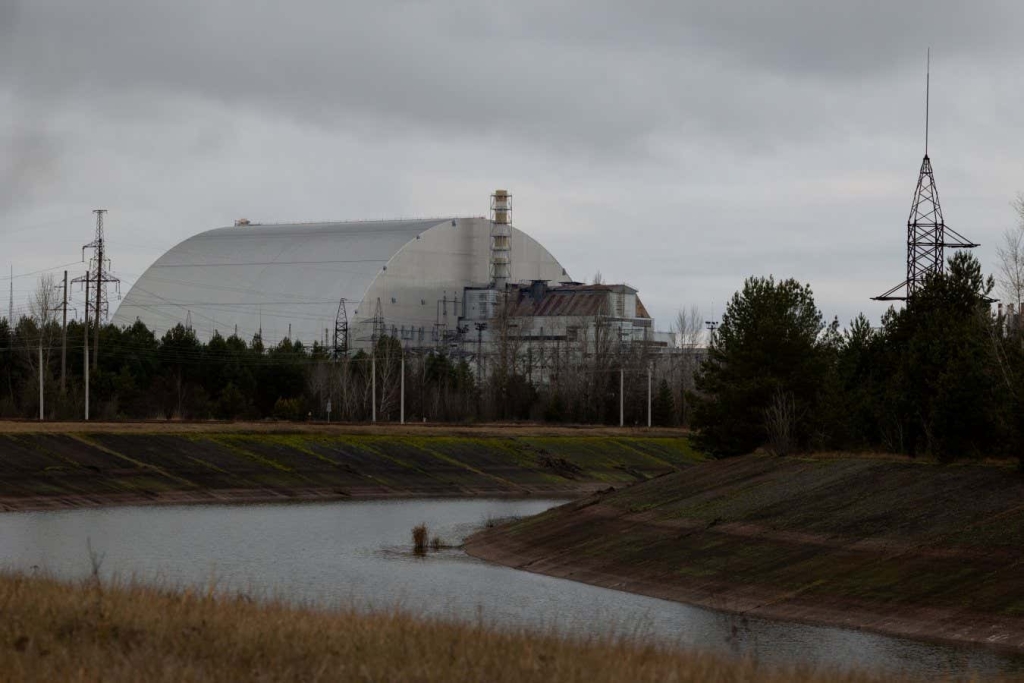
Most recently, in February of last year, a Russian drone strike damaged the New Safe Confinement structure—the massive arch that covers the ruins of reactor 4, the site of the 1986 disaster that released radioactive material across Europe.
The Broader Context
Ukraine’s electrical grid has been under constant assault since the invasion began, with power supplies fluctuating unpredictably. However, recent months have seen an intensification of attacks on civilian infrastructure, suggesting a deliberate strategy to undermine Ukraine’s ability-functioning capabilities.
The IAEA has been working tirelessly to monitor the situation, but the agency’s ability to intervene is limited by the realities of war. Their primary role remains assessment and reporting, leaving the actual resolution of these crises to the unfolding military and political situation.
Looking Forward
As power restoration efforts continue, experts emphasize that while the situation is serious, it’s not immediately catastrophic. The decades-old fuel at Chernobyl has already released much of its dangerous energy, buying precious time for repairs and restoration.
“This fuel has been sitting in these pools for 20 years,” Cosgrove explains. “With each passing year, more of that energy has dissipated. The risk today is substantially lower than it would have been in the immediate aftermath of the plant’s closure.”
The incident serves as a stark reminder of the hidden dangers lurking in conflict zones—dangers that can persist long after active combat has ceased. As the world watches and waits for power to be restored to Chernobyl, the episode underscores the urgent need for international protocols to protect nuclear facilities during wartime.
Tags:
Chernobyl #NuclearSafety #UkraineConflict #IAEA #RadioactiveMaterials #PowerOutage #NuclearWaste #MilitaryStrikes #EnergyInfrastructure #RadiationRisk #SpentFuel #ColdWarLegacy #EuropeanSecurity #NuclearProtocol #WarAndEnvironment
Viral Phrases:
“Decades-old fuel buys precious time”
“Nuclear safety in conflict zones hangs by a thread”
“Time itself becomes a natural decontaminant”
“The silent danger that outlived the Cold War”
“When nuclear sites lose power: science meets geopolitics”
“Cooling pools without electricity: a recipe for disaster”
“From reactor to cooling pond: the nuclear lifecycle”
“Russian strikes target Ukraine’s invisible infrastructure”
“The IAEA watches helplessly as history threatens to repeat”
“Nuclear facilities caught in the crossfire of modern warfare”
“Twenty years of cooling: nature’s buffer against catastrophe”
“Drone strikes on nuclear containment: a new era of warfare”
“Power outages at Chernobyl: different crisis, different decade”
“The fuel that keeps on giving… radiation”
“When military strategy meets nuclear physics”
,


Leave a Reply
Want to join the discussion?Feel free to contribute!