
Who controls your Roomba data following bankruptcy sale
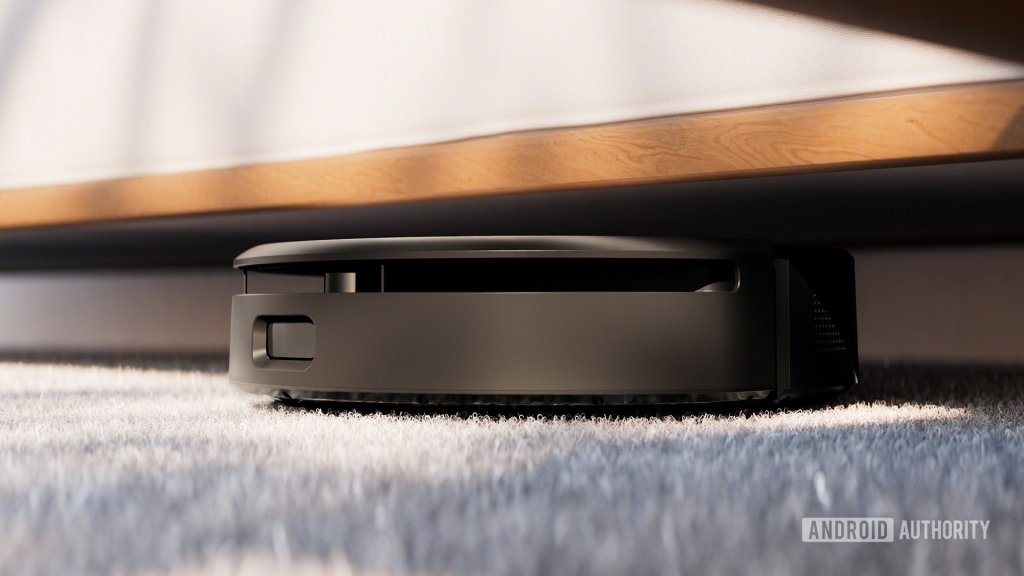
iRobot’s Bold New Chapter: Data Protection and Chinese Ownership—What It Means for You
When iRobot, the pioneer of robotic vacuum cleaners, announced its Chapter 11 bankruptcy last December, the tech world was left reeling. For years, the company had dominated the market with its iconic Roomba series, but mounting financial pressures forced a dramatic pivot. Now, after months of uncertainty, iRobot has emerged from bankruptcy under new ownership—and the news is both surprising and reassuring for its loyal user base.
A New Owner, But a Familiar Promise
In a move that sent shockwaves through the industry, iRobot’s primary manufacturing partner, Picea—a Chinese company—acquired the struggling robotics giant. This transition sparked immediate concerns among consumers about the security of their personal data, especially given the geopolitical tensions surrounding Chinese tech companies. However, iRobot has moved swiftly to address these fears head-on.
The company has announced the formation of iRobot Safe, a newly created, US-based subsidiary that will be entirely responsible for managing user data. Governed by an American board of directors, iRobot Safe is designed to operate independently from the parent company, ensuring that sensitive information remains under US jurisdiction and control. This strategic move is intended to provide a clear firewall between user data and the broader corporate structure, offering peace of mind to millions of Roomba owners worldwide.
Business as Usual—For Now
Despite the seismic shift in ownership, iRobot is doubling down on its commitment to American operations. The company has pledged to keep its engineering, marketing, and development teams firmly rooted in its Massachusetts headquarters. This continuity is crucial, not only for maintaining product quality and innovation but also for preserving the jobs and expertise that have long defined iRobot’s success.
Yet, the road ahead is far from certain. The factors that led to iRobot’s financial woes—intensifying competition, razor-thin margins, and the relentless pace of technological innovation—remain as relevant as ever. The robot vacuum market is now more crowded than ever, with rivals like Roborock pushing the envelope with groundbreaking features such as robotic arms and stair-climbing capabilities. These advancements are redefining consumer expectations and putting pressure on legacy brands to keep up or risk obsolescence.
The Stakes Have Never Been Higher
iRobot’s reorganization is a high-stakes gamble. By separating data stewardship from its core operations, the company is betting that transparency and security will be enough to retain customer trust in an era of heightened scrutiny over data privacy. At the same time, it must prove that it can innovate and compete in a market where new players are constantly raising the bar.
The creation of iRobot Safe is a clear signal that the company understands the importance of data sovereignty in today’s digital age. But whether this move will be enough to secure iRobot’s long-term future remains to be seen. The robotics industry is unforgiving, and only those who can adapt quickly will survive.
What’s Next for iRobot?
As iRobot embarks on this new chapter, all eyes will be on how it balances innovation with trust. Can it leverage its brand legacy while embracing the technological leaps being made by its competitors? Will its commitment to US-based data management be enough to assuage global privacy concerns? And most importantly, can it reverse its fortunes in a market that waits for no one?
For now, iRobot’s loyal customers can take comfort in the fact that their data is being safeguarded by a dedicated, American-led entity. But the true test will come in the months and years ahead, as the company strives to reclaim its position at the forefront of the robotic vacuum revolution.
Tags & Viral Phrases:
- iRobot Roomba data privacy
- Chinese ownership of iRobot
- iRobot Safe US data protection
- Roomba bankruptcy Chapter 11
- Picea acquires iRobot
- Robot vacuum market competition
- iRobot innovation vs rivals
- Data sovereignty in tech
- Roomba user data security
- iRobot future outlook
- Robotic vacuum arms and stairs
- iRobot Massachusetts headquarters
- Tech industry ownership shifts
- Consumer trust in Chinese tech
- iRobot vs Roborock showdown
- Robotic vacuum industry trends
- iRobot Safe independent board
- Roomba legacy and innovation
- US-based data management
- iRobot comeback story
,

Leave a Reply
Want to join the discussion?Feel free to contribute!